 Chris Robert
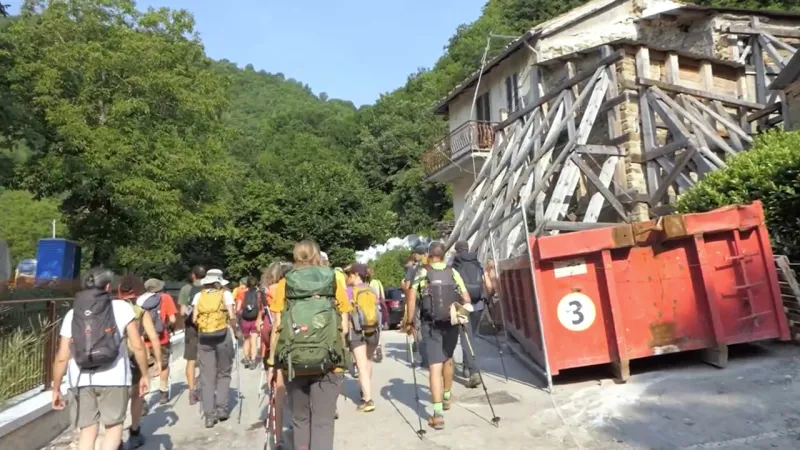
AMATRICE, ITALY – A decade after the catastrophic seismic events that ravaged Central Italy, survivors and community advocates have embarked on a collective solidarity walk to spotlight the persistent and widespread failures in reconstruction efforts. This initiative, aimed at galvanizing public attention and reuniting the fragmented populace across the "Terre mutate" – or Changed Lands – seeks to compel authorities to accelerate rebuilding projects that remain stalled years after the initial devastation.
The devastating earthquake of August 24, 2016, followed by a series of powerful aftershocks in the subsequent months, claimed nearly 300 lives and leveled entire towns across the Marche, Umbria, Lazio, and Abruzzo regions. Promises of rapid recovery and comprehensive rebuilding were made by successive governments, yet many residents today find themselves in temporary housing or still living amidst rubble, their futures uncertain.
The term "Terre mutate" aptly describes the physical and social landscapes transformed by the seismic upheaval. Once vibrant historical villages, now skeletal ruins, stand as stark reminders of the disaster. The very fabric of these communities, intertwined with centuries of history and tradition, has been severely tested by displacement and the glacial pace of official recovery efforts.
Organizers of the solidarity walk emphasize that the initiative is not merely a protest but a reaffirmation of community resilience. Participants are traversing routes connecting some of the most affected municipalities, fostering connections and sharing stories of hardship and hope. The collective journey symbolizes the long road to recovery, which, for many, still feels like an uphill battle.
One of the primary drivers of the delays stems from a complex bureaucracy, often cited as an impediment to efficient disaster management in Italy. Permits, assessments, and financial allocations have been entangled in red tape, preventing the swift disbursement of funds and commencement of construction work. Experts point to a lack of coordinated vision and frequent changes in government oversight as contributing factors.
While billions of euros have been earmarked for reconstruction, the actual progress on the ground remains dishearteningly slow. Many homes and public buildings, crucial for the social and economic revitalization of these areas, have yet to see significant progress beyond initial demolition or stabilization. The economic impact on local businesses, especially those reliant on tourism, has been profound and enduring.
Community leaders voice deep frustration with the disparity between rhetoric and reality. "We were promised swift action, a return to normalcy," stated Maria Rossi, a local activist from Norcia participating in the walk. "Instead, we are celebrating a decade of delays, our towns still scarred, our people scattered. This walk is our way of saying we will not be forgotten."
The protracted nature of the crisis has led to significant demographic shifts, as younger generations and families seek opportunities elsewhere, further endangering the cultural heritage and future viability of these ancient settlements. The exodus exacerbates the challenge of rebuilding not just structures, but also the social and economic ecosystems.
Historically, Italy has faced challenges in managing large-scale disaster recovery. From the 1980 Irpinia earthquake to more recent events, the pattern of initial strong governmental pledges followed by bureaucratic bottlenecks and lengthy delays has been a recurring theme. The Central Italy earthquake reconstruction adds another chapter to this complex narrative.
The solidarity walk also aims to garner national and international media attention, hoping that increased scrutiny will pressure government officials to prioritize and streamline the reconstruction process. Participants hope to present a unified front, demonstrating that the spirit of these communities, though tested, remains unbroken.
Local mayors, many of whom have been on the front lines of the crisis since 2016, have expressed support for the initiative. They underscore the psychological toll the delays have taken on their constituents, emphasizing that a return to permanent housing and community infrastructure is essential for healing and moving forward.
Beyond the immediate goal of accelerating physical reconstruction, the initiative fosters a sense of collective identity and shared purpose among the survivors. It is a powerful statement of their refusal to surrender to the apathy that can often accompany prolonged crises, advocating for their right to rebuild their lives in their ancestral lands.
The walk serves as a poignant reminder that while natural disasters are instantaneous, their aftermath can stretch for decades, requiring sustained political will and efficient governance to ensure a true recovery. The communities of Central Italy continue their steadfast fight for a future free from temporary solutions and unfulfilled promises.
As the solidarity walk continues, its participants embody the enduring spirit of the "Terre mutate" – lands changed by tragedy, but whose people remain resolute in their pursuit of justice and a complete return to their homes.