 Stefani Rindus
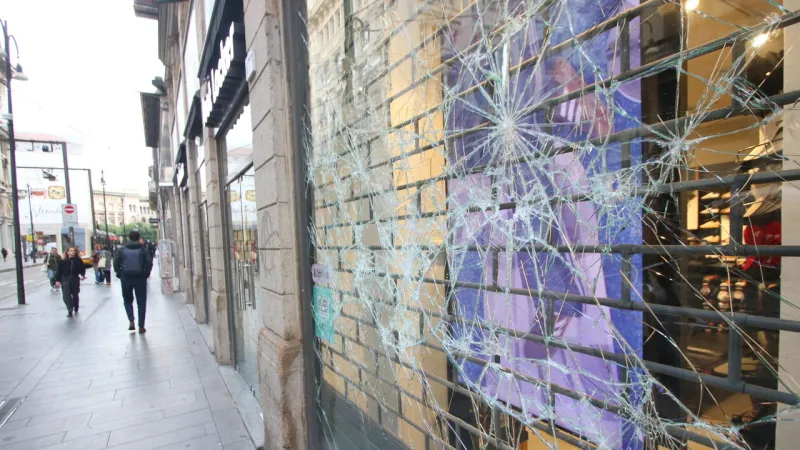
President Sergio Mattarella unequivocally condemned recent unacceptable violence in Milan today, prompting the Italian government to advance a stringent decree-law aimed at bolstering public order with measures including up to 24 hours of preventive detention and increased military deployment across the nation.
Addressing the escalating concerns, President Mattarella emphasized the gravity of the situation, stating, "The violence in Milan is unacceptable, and an in-depth analysis is needed." His strong remarks underscore a national imperative to restore calm and comprehend the root causes of the civil disturbances.
The proposed decree-law, currently under discussion within the Council of Ministers, represents a decisive governmental response to the unrest. Key provisions include expanding the permissible duration of preventive detention to a maximum of 24 hours for certain offenses, a move intended to grant law enforcement greater immediate powers.
Furthermore, the legislation anticipates a significant increase in military personnel assigned to public order duties. This augmentation of security forces aims to provide visible deterrence and rapid response capabilities in urban centers particularly affected by protests and disturbances.
The government's proactive stance follows extensive consultations with the Quirinale, the official residence of the President, signifying a concerted effort between the executive and the Head of State to address the precarious security landscape. These interlocutions highlight the unified front adopted by Italian institutions in confronting the recent challenges.
The unacceptable violence referenced by President Mattarella has manifested in various forms across the northern Italian metropolis. Recent reports indicate that the city's luxury retail sector has been particularly impacted, with some establishments opting to close amidst escalating unrest and looming protest threats. For more details on the impact on businesses, see Luxury Stores in Milan Close As Unrest Fears Mount, Protests Loom.
This push for enhanced public order in Italy aligns with a broader national strategy to tighten security protocols. The government previously signaled an intent to intensify crackdowns, especially concerning minors involved in disturbances, indicating a comprehensive approach to maintaining societal stability. Further information on these broader initiatives can be found in Italy to Intensify Public Order Crackdown, Minors Face New Restrictions.
Critics and proponents alike are closely watching the legislative process, weighing the potential benefits of improved security against concerns regarding civil liberties. The extension of preventive detention powers, in particular, raises questions about due process and individual rights, sparking considerable debate within legal and political circles.
Historically, Italy has periodically resorted to robust security measures during periods of heightened social tension. The deployment of military personnel for internal policing is not unprecedented, reflecting a precedent of state intervention when conventional law enforcement capacities face severe strain.
The Council of Ministers, responsible for approving the decree-law, is expected to finalize its provisions swiftly. The urgency reflects the government's perception of a critical need to project authority and restore public confidence in its ability to manage domestic security.
President Mattarella's role extends beyond mere condemnation; his call for an "in-depth analysis" suggests a desire to address underlying societal issues rather than solely focusing on punitive measures. This dual approach aims for both immediate control and long-term resolution.
As the nation grapples with these challenges, the President also continues to emphasize the importance of local governance and reform, recognizing the vital role of provincial assemblies in fostering stable communities and preempting unrest. His recent engagements underscore a consistent focus on strengthening democratic institutions from the ground up, as highlighted in Mattarella Inaugurates Provinces Assembly, Urges Vital Local Governance Reform.
The upcoming implementation of these new security measures will be a critical test for the government. The efficacy of increased military presence and expanded detention powers in quelling the violence and restoring harmony will determine the public's perception of the administration's competence.
The discourse surrounding public safety and individual freedoms remains paramount as Italy navigates these turbulent waters. The delicate balance between state authority and citizen rights will be under intense scrutiny as the provisions of the decree-law take effect.
This evolving situation in Italy underscores the complex interplay of political will, public sentiment, and the rule of law in responding to internal threats. The decisions made in the coming weeks will shape the nation's immediate future and set precedents for managing civil unrest.