Gabriella
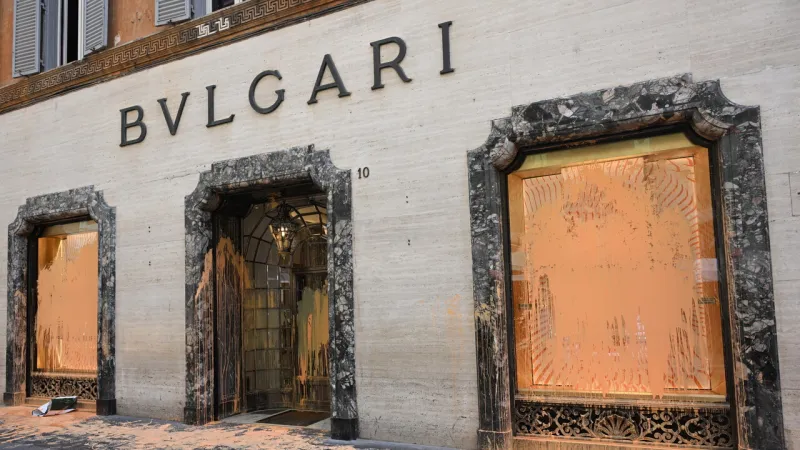
In an unusual pre-emptive measure, major luxury brands including Chanel, Pomellato, and Hermes have lowered their shutters across Milan, Italy, today. This widespread closure stems from growing apprehension over potential new public disorder, intensified by an announced permanent mobilization from the activist group Movimento 17 ottobre.
The decision affects prime shopping districts, transforming bustling avenues into rows of darkened storefronts. This strategic retreat by retailers underscores a deep-seated concern for both property damage and public safety should anticipated demonstrations escalate.
The Movimento 17 ottobre, an organization previously associated with significant public demonstrations, publicly declared its intention for sustained protest activity. While the specific grievances prompting this current mobilization remain under close scrutiny, their announcement has clearly influenced business operations in the citys commercial heart.
This wave of apprehension recalls previous periods of social tension in the Italian metropolis. Milan has, on occasion, witnessed significant public disturbances. Indeed, violent Milan clashes previously forced Prime Minister Giorgia Meloni to convene an urgent security summit, highlighting the fragility of public order during intense protests.
The temporary closure of high-profile luxury establishments carries immediate economic implications. The Quadrilatero d'Oro, Milans renowned fashion district, generates substantial revenue, and even a single day of closures can result in significant financial losses for both individual boutiques and the citys broader economy.
Industry insiders suggest that luxury brands often adopt stringent security protocols during times of heightened risk. The preservation of high-value inventory and the safeguarding of staff and customers are paramount, frequently overriding short-term commercial interests.
Local authorities have reportedly increased police presence in critical areas, particularly around retail hubs and potential protest routes. Residents express a mixture of understanding and frustration, balancing concerns for safety with the disruption to daily life and commerce.
Details surrounding the Movimento 17 ottobres permanent mobilization remain somewhat ambiguous, leading to speculation regarding its scale, duration, and specific targets. This uncertainty further fuels the preventative actions taken by businesses.
While no official government decree mandated the closures, the prevailing atmosphere of caution and the explicit warning from the Movimento 17 ottobre have been sufficient for businesses to act independently. Local government officials are likely monitoring the situation closely, prepared to intervene if widespread unrest materializes.
Milan, a global capital of fashion and design, prides itself on its sophisticated image. Incidents of civil unrest and the associated disruption to its iconic shopping scene could potentially tarnish this reputation and deter international tourism, a crucial sector for the city.
The duration of these closures remains unspecified, contingent upon the evolution of the protest situation and assessments by security forces. Businesses will weigh the ongoing risk against the imperative to resume normal operations, a decision likely to be made day by day.
The unfolding situation in Milan represents a critical test for city authorities and a significant challenge for the luxury sector, poised between security concerns and economic vitality.