 Stefani Rindus

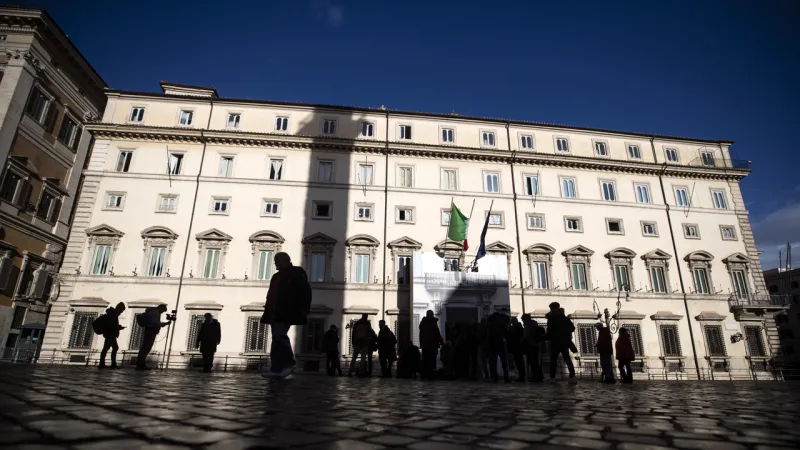
Rome - The Italian government convened an urgent summit at Palazzo Chigi today, preparing sweeping new security measures in response to recent public violence and unrest across the nation. Officials are set to introduce a decree law tomorrow that includes provisions for stricter handling of minors and expanded police powers, aiming to quell disorder and restore stability.
The high-level meeting, spearheaded by top government figures, underscored a palpable concern regarding the escalation of disruptive incidents. A government statement indicated a firm resolve to implement new measures against those who sow chaos, reflecting a determined effort to reclaim public spaces from agitators.
Central to the impending legislative package is a significant crackdown targeting minors involved in acts of violence or vandalism. This initiative comes amidst growing calls for accountability from younger individuals participating in what officials describe as increasingly organized and destructive demonstrations.
Andrea Ostellari, Undersecretary of Justice, and Nicola Molteni, Undersecretary of the Interior, made key announcements following the summit. They confirmed that the forthcoming decree would mandate "preventive detention up to 24 hours" for suspected individuals.
Furthermore, Molteni emphasized that the new law would establish "mandatory arrest for devastation," clearly signaling a zero-tolerance approach to property damage and widespread disruption. These declarations highlight the government's intention to provide law enforcement with enhanced tools to manage volatile situations.
The proposed legislation follows a period marked by several instances of public unrest, including protests that have at times turned violent, impacting major urban centers. Reports have detailed scenes where protestors clashed with police and property was damaged, creating an atmosphere of anxiety. Notably, cities like Milan have experienced significant disruption, with luxury stores in Milan closing as unrest fears mounted.
In recent months, concerns about public safety have mounted, prompting public discourse on the efficacy of existing laws in deterring such incidents. The government believes these stronger measures are necessary to protect citizens and maintain the integrity of public order.
This proactive stance by the Italian government mirrors anxieties seen in other European nations where social discontent has occasionally erupted into civil disturbance. It suggests a coordinated effort to prevent widespread disruption from paralyzing daily life and economic activity.
Observers note that while the focus is on re-establishing order, the proposed measures could ignite a debate regarding the balance between security and civil liberties. Critics often raise concerns about expanded police powers and their potential impact on fundamental rights, particularly for minors.
Tomorrow's Council of Ministers meeting is anticipated to formally approve the decree law, paving the way for its immediate implementation. This move signifies a critical moment for Italy's approach to public order, potentially reshaping legal frameworks and law enforcement strategies for years to come.
The government maintains that these stringent actions are a direct response to a perceived breakdown in public decorum and safety. Officials stressed the imperative of ensuring that citizens can conduct their lives free from the threat of disruption and property damage.
The proposed measures are also seen as a deterrent, designed to discourage future acts of violence and vandalism by demonstrating the state's readiness to impose severe consequences. The emphasis on mandatory arrests aims to send a clear message to would-be agitators.
Specifically, the provisions targeting minors underscore a particular focus on addressing youth involvement in street violence. The government aims to intervene early and decisively to prevent younger individuals from becoming entrenched in patterns of criminal behavior during protests.
This policy shift aligns with a broader governmental commitment to strengthening national security and stability across various sectors. The administration has frequently articulated its dedication to upholding the rule of law and protecting its citizens from all forms of threat.
The impact of this decree law will be closely watched by national and international bodies. Its effectiveness in curbing unrest while upholding democratic principles will be a key metric for its success.
The government hopes that these decisive actions will not only restore immediate order but also foster a long-term sense of security and respect for the law among the populace. The ultimate goal is to prevent a recurrence of the widespread chaos experienced recently.