 Edward DP Situmorang

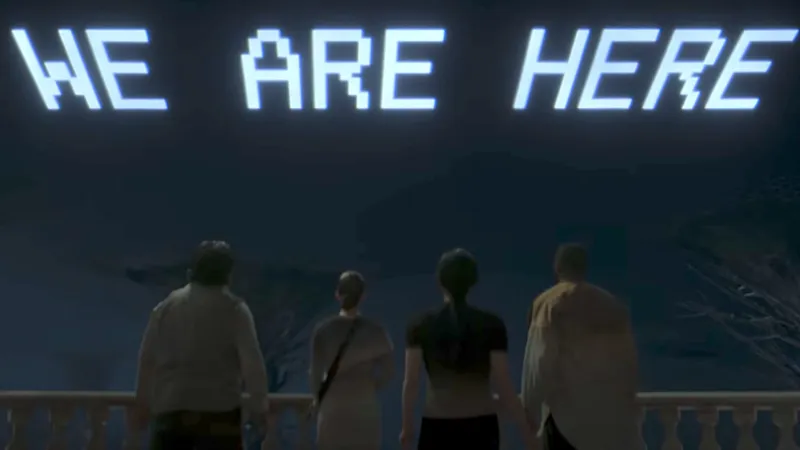
LOS ANGELES – Taika Waititi's highly anticipated film adaptation of Kazuo Ishiguro's acclaimed novel, centering on androids as companions for lonely children, has premiered to a mixed reception, drawing particular attention for its perceived avoidance of the profound existential dilemmas integral to the source material. Critics are weighing in on whether this artistic choice enhances or diminishes the exploration of artificial intelligence in human lives.
The original novel by Nobel laureate Kazuo Ishiguro masterfully probed the very essence of humanity, consciousness, and the ethical implications of creating intelligent, sentient artificial beings. It asked whether androids could possess souls, experience genuine emotions, or truly serve as surrogates for human connection without raising complex moral quandaries.
Waititi, known for his distinctive blend of whimsical humor and heartfelt storytelling in films like Jojo Rabbit and Thor: Ragnarok, brings his signature directorial flair to this new project. His previous works often explore poignant themes through an accessible, often comedic lens, leading many to anticipate a fresh perspective on Ishiguro's narrative.
Early reviews suggest the film indeed excels at portraying the endearing and sometimes challenging aspects of an AI companion nurturing a lonely child. It captures moments of genuine warmth and the emotional bonds that can form, focusing heavily on the surface-level interactions and the perceived benefits of such advanced companions.
However, a significant point of contention revolves around the adaptation's treatment of the novel's philosophical core. Reviewers note that while the film establishes the premise of advanced androids, it largely shies away from a deep dive into the questions of AI consciousness, free will, or the potential for exploitation that Ishiguro so meticulously crafted.
This deliberate sidestepping raises crucial questions about the responsibilities of filmmakers when adapting works steeped in weighty philosophical debate. Does softening the edges make the narrative more palatable for a wider audience, or does it dilute the very message that made the original work impactful?
The broader societal conversation surrounding artificial intelligence increasingly touches upon these complex ethical landscapes. As technology advances and the prospect of sophisticated AI companions becomes less theoretical and more tangible, the narratives we consume play a vital role in shaping public understanding and ethical discourse.
Indeed, some argue that by emphasizing the emotional accessibility and heartwarming aspects, the film might inadvertently gloss over the critical need for vigilance and thoughtful consideration regarding AI development. The cinematic portrayal could influence how audiences perceive the risks and rewards of advanced artificial intelligence in their daily lives.
Comparing Waititi's approach to other notable works that have tackled AI and consciousness, such as Blade Runner or Ex Machina, reveals a stark contrast in thematic ambition. While those films leaned into the unsettling and profound questions of artificial life, this adaptation appears to favor emotional resonance over intellectual confrontation.
The cultural significance of both Ishiguro's original literary contribution and Waititi's cinematic interpretation remains undeniable. Ishiguro's work serves as a benchmark for exploring the human condition through speculative fiction, and any adaptation inevitably invites scrutiny regarding its fidelity to that profound spirit.
Ultimately, the film presents a compelling, albeit streamlined, vision of a future where AI companions could redefine human relationships. While delivering on emotional impact and visual storytelling, it prompts reflection on the extent to which art should challenge its audience with the uncomfortable truths embedded within its source material.
This adaptation prompts continued debate within film criticism and among fans of Ishiguro's work, ensuring the conversation around the role and implications of AI companions persists long after the credits roll.