 Edward DP Situmorang
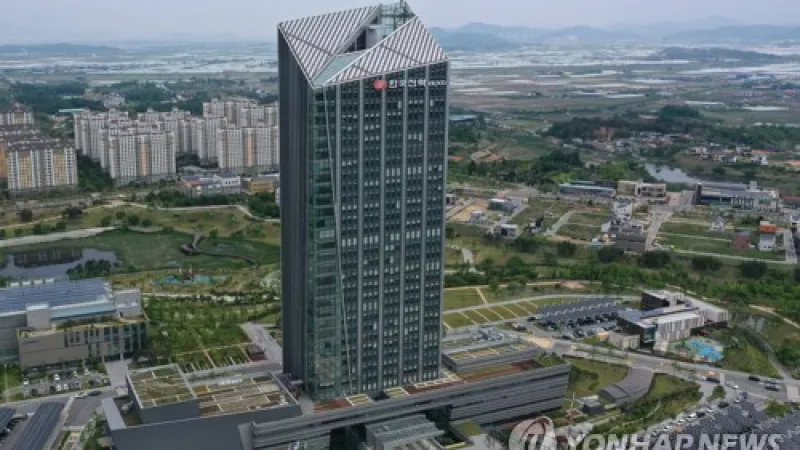
SEOUL, November 12 — The state-run Korea Electric Power Corp. (KEPCO) today announced a precipitous 78 percent decline in its third-quarter net profit, a significant financial setback attributed directly to a sustained surge in global fuel costs. This drastic downturn underscores the profound impact of volatile international energy markets on South Koreas primary electricity provider, exacerbating concerns over national energy security and consumer prices.
The energy giant, which holds a monopoly on electricity generation and distribution in the country, revealed its financial results, showing a net profit considerably below expectations. The primary culprit cited by KEPCO officials remains the persistently high prices for liquefied natural gas (LNG), coal, and crude oil on the international market, which directly influence the cost of electricity production.
Analysts had predicted a challenging quarter for KEPCO, but the magnitude of the profit drop signals deeper structural issues within the energy sector, compounded by a global commodity market still reeling from various geopolitical factors. The companys operational expenses have surged, outpacing its revenue streams despite efforts to manage efficiency.
The substantial financial strain on KEPCO is not an isolated incident; it mirrors a broader global trend where energy utilities grapple with inflationary pressures on raw materials. This situation often forces state-backed enterprises to absorb significant costs to shield consumers from immediate price shocks, leading to accumulated losses or reduced profitability.
Sources within the Ministry of Trade, Industry and Energy indicate that the government is closely monitoring KEPCOs financial health and its implications for the national economy. While no immediate electricity rate hikes have been announced, the sustained period of unprofitability raises questions about long-term sustainability without intervention.
The impact of rising global energy prices extends beyond KEPCOs balance sheet, influencing other sectors of the South Korean economy. Industries reliant on stable and affordable electricity face increased operational costs, potentially affecting their competitiveness and overall output.
Experts suggest that the current scenario could persist as global energy demand remains robust, and supply chains face intermittent disruptions. The outlook for easing oil prices, while projected by some institutions like the Korea Development Institute (KDI) to ignite global consumption by 2027, offers little immediate relief for KEPCOs current predicament. For more on this, see: KDI: Chip Upcycle, Easing Oil to Ignite 2027 Global Consumption.
Moreover, broader geopolitical developments, such as the potential US-China-Russia summit being monitored by Seoul, could introduce further volatility into international commodity markets. Such events invariably influence investor sentiment and actual supply dynamics for crucial energy resources. Read more about these shifts here: Seoul Monitors Potential US-China-Russia Summit Amid Geopolitical Shifts.
KEPCOs recurring financial challenges highlight the urgent need for long-term energy diversification strategies. Relying heavily on imported fossil fuels exposes the nation to the caprices of international markets, making the transition to renewable energy sources a strategic imperative rather than merely an environmental goal.
The ruling party in South Korea has recently pushed for a tougher legislative agenda, which could include policies aimed at bolstering energy self-sufficiency or introducing new mechanisms to stabilize electricity costs for consumers. These legislative efforts will be critical in shaping KEPCOs operating environment in the coming years. Explore the political landscape here: South Koreas Ruling Party Pushes Tougher Legislative Agenda.
This latest quarterly report serves as a stark reminder of the intricate relationship between global commodity markets, national economic stability, and the daily lives of citizens. KEPCOs ability to navigate this turbulent financial period will be a crucial test for South Koreas energy policy and economic resilience.