Angel Doris

BERLIN – Federal Environment Minister Carsten Schneider, a prominent voice in Germany advocating for the widespread adoption of electric vehicles and the eventual obsolescence of internal combustion engines, reportedly maintains a 13-year-old diesel car for his personal use. This revelation, first brought to light in recent reports from Berlin, sparks public discussion regarding the consistency between political messaging and personal choices in the crucial climate transition.
Minister Schneider, a member of the Social Democratic Party (SPD), has been a vocal proponent of Germany's ambitious goals to reduce carbon emissions and transition toward a greener transportation sector. His policy initiatives frequently underscore the environmental imperative to shift away from fossil fuel-powered vehicles, positioning electric mobility as a cornerstone of future climate action.
Despite his public advocacy, it was confirmed that Schneider's private vehicle remains a diesel model, purchased over a decade ago. This detail immediately drew attention, given the minister's influential role in shaping Germany's environmental agenda.
The reason behind this seeming contradiction, according to the minister, is rooted in an alternative interpretation of sustainability. Schneider reportedly contends that keeping an older, functional vehicle in service for an extended period, rather than immediately replacing it with a new electric model, can also be considered an environmentally responsible choice.
This perspective emphasizes the lifecycle emissions associated with manufacturing new vehicles, including electric ones. Producing a new car, regardless of its powertrain, incurs a significant carbon footprint from resource extraction, manufacturing processes, and transportation. By maximizing the lifespan of an existing vehicle, Minister Schneider argues, one avoids prematurely contributing to these manufacturing emissions.
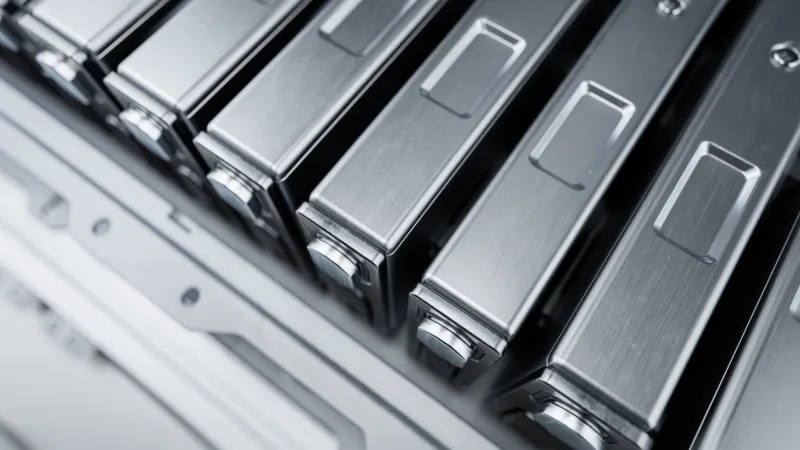
Germany is at the forefront of a European-wide push for electromobility. The government offers substantial subsidies for electric vehicle purchases and is heavily investing in charging infrastructure. The goal is to make electric vehicles the standard, aligning with broader climate targets to phase out fossil fuel dependence. Yet, challenges remain, such as the cost and complexity of integrating renewable energy solutions, as highlighted in related discussions around whether EV batteries could power homes.
Schneider's personal choice, therefore, introduces a layer of complexity to the public discourse on environmental responsibility. It prompts a deeper examination of what truly constitutes sustainable behavior: immediate adoption of new green technologies, or the diligent prolongation of existing resources to minimize overall consumption and waste.
While some critics might view his personal vehicle choice as hypocritical or a misstep in public relations, others may find his rationale — prioritizing the full utilization of existing assets — to be a valid, albeit less commonly championed, environmental principle. This nuanced stance underscores the multifaceted nature of environmental stewardship.
The minister's office has not released an official statement specifically addressing the matter, but informal remarks from his camp reiterate the focus on comprehensive sustainability. They suggest that the immediate rush to replace all older vehicles might overlook the embedded energy and resources already expended in their creation.
The episode provides a valuable opportunity to broaden the conversation beyond simply electric versus diesel. It invites scrutiny into the entire carbon lifecycle of transportation, from production to disposal, and challenges citizens and policymakers alike to consider a wider array of sustainable practices in their daily lives.
As Germany continues its ambitious energy transition, Minister Carsten Schneider's personal vehicle choice serves as an unexpected catalyst for public dialogue on the practicalities and philosophies underpinning environmental action, encouraging a more holistic understanding of sustainability beyond simple fuel type.
This discussion arrives at a crucial juncture for Germany, a nation wrestling with the complexities of industrial transformation while striving to meet stringent climate commitments. The federal government, under Chancellor Olaf Scholz, remains steadfast in its commitment to decarbonization, even as individual actions and interpretations of environmental duty come under the spotlight.
The broader implication of Schneider's position is that there is no singular, simple path to environmental salvation. Instead, a combination of policy shifts, technological advancements, and individual conscientious choices, even those that seem counterintuitive at first glance, will be necessary to navigate the global climate crisis effectively.