 Angel Doris
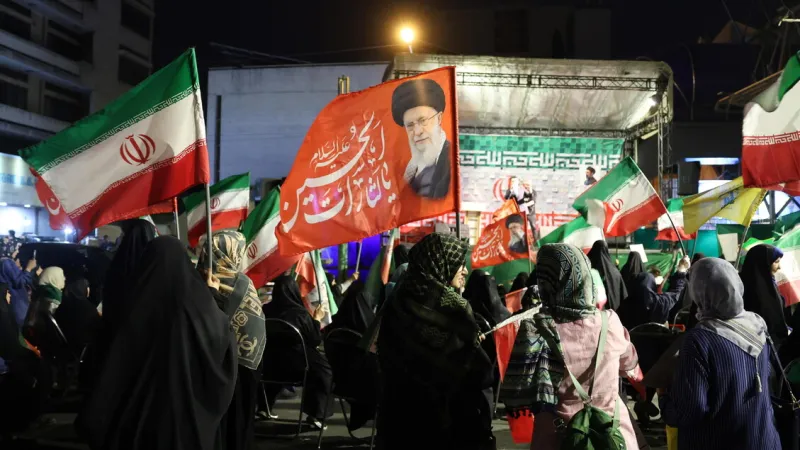
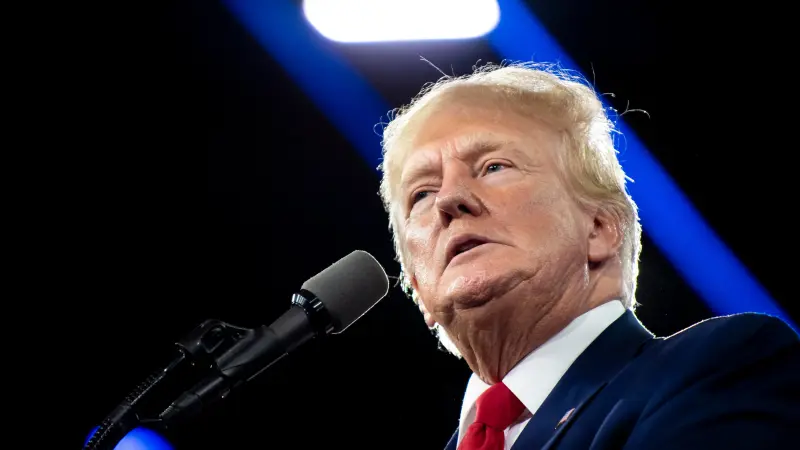
Tehran, Iran Iran has vociferously declared its profound distrust of United States assurances, with its leadership asserting that it cannot trust the promises of its adversary. This pronouncement comes amidst reports that international mediators are actively working to refine a US-Iran memorandum, a document significantly altered by President Donald Trump's administration, further complicating already strained diplomatic channels between the two nations.
The ongoing diplomatic efforts revolve around a comprehensive framework intended to address various aspects of the contentious US-Iran relationship, particularly concerning nuclear activities and regional stability. This specific memorandum, initially drafted under previous administrations, has undergone substantial revisions at President Trump's insistence, reflecting his administration's more assertive approach to Iran policy.
Iranian officials have consistently articulated a deep-seated skepticism toward Washington's diplomatic overtures, often referencing historical grievances and perceived breaches of international agreements. This historical context forms the bedrock of Tehran's current reluctance to readily accept new proposals without stringent guarantees.
President Trump has long been a vocal critic of previous agreements with Iran, notably the Joint Comprehensive Plan of Action (JCPOA), which he famously withdrew the U.S. from during his first term. His administration has consistently sought a "harsher deal," aiming to impose stricter limits on Iran's nuclear program and curb its ballistic missile development and regional influence. This aligns with earlier reports on his administration's approach to the Trump Escalates Iran Pressure with Harsher Deal; Tehran Rejects Trust.
President Trump's administration argues that a more stringent agreement is essential to prevent Iran from developing nuclear weapons capabilities and to curb its destabilizing actions across the Middle East. This strategic imperative underlies the comprehensive changes made to the proposed memorandum, pushing for terms that Iran has consistently deemed unacceptable and an infringement on its sovereignty.
Mediators, whose identities remain largely undisclosed in public reports, face an arduous task. They must navigate Iran's ingrained distrust while attempting to bridge the significant policy chasm separating President Trump's demands from Tehran's non-negotiable red lines. Their work involves intense, often indirect, negotiations to find common ground for any potential future agreement.
The stalemate in US-Iran negotiations carries significant implications for regional stability in the Middle East. Tensions in the Strait of Hormuz, a critical global shipping lane, have previously flared, highlighting the volatile nature of the geopolitical landscape. Concerns about maritime security remain paramount, as evidenced by past events like the Hormuz Blockade Sparks Gulf States' Urgent Quest for New Oil Routes and instances where US Forces Fire on Vessel in Gulf of Oman After Blockade Breach Attempt.
Furthermore, Washington's persistent economic sanctions continue to exert immense pressure on Iran's economy, exacerbating domestic challenges and fueling a sense of grievance within the country. Tehran views these sanctions as an act of economic warfare, further solidifying its resolve against perceived US coercion.
In response to sustained pressure, Iran has at times escalated its nuclear activities beyond the limits set by the original JCPOA, asserting its right to develop its peaceful nuclear program. These actions are consistently framed by Tehran as defensive measures against hostile foreign policy.
The insistence on a "harsher deal" from the US perspective, contrasted with Iran's firm rejection of external dictation, forms the core of the impasse. This dynamic mirrors previous periods of intense diplomatic tension, where each side viewed the other's proposals with profound skepticism.
International observers remain deeply concerned about the lack of a clear diplomatic path forward. The potential for miscalculation or unintended escalation between the United States and Iran poses a significant threat to global security and energy markets.
While mediators continue their discreet efforts, the chasm of mistrust appears wide. Any breakthrough in the US-Iran deal talks would require substantial concessions from both sides, a prospect that seems increasingly distant given Tehran's firm declarations and President Trump's unwavering policy directives. The path ahead for a stable US-Iran deal remains fraught with diplomatic complexities.