 Angela Stefani
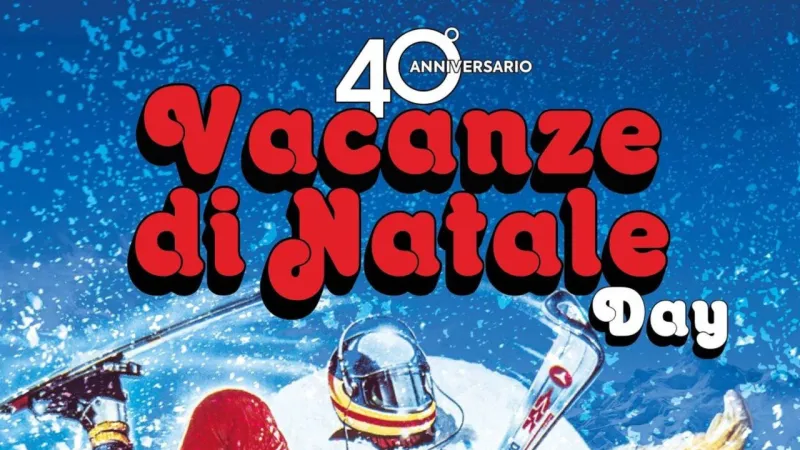
ROME - Veteran Italian actor Christian De Sica asserted that the classic cinepanettoni, a genre of popular Italian Christmas comedies, are no longer suitable for contemporary audiences. He made this declaration during his presentation of the new Netflix miniseries The Label at the Festival dello Spettacolo in Italy, contending that such films, once a staple of holiday entertainment, would be fundamentally flawed if produced today.
De Sica, a stalwart figure in Italian cinema and a prominent face of the cinepanettone phenomenon for decades, did not mince words regarding the genre's current relevance. His pronouncement underscores a significant shift in cultural sensibilities and the evolving landscape of film production and viewership.
The actor specifically stated that making cinepanettoni today would be wrong, reflecting a widespread recognition that much of their humor, often criticized for its reliance on stereotypes and sometimes crude gags, no longer resonates with modern societal values. This sentiment highlights a growing disconnect between past entertainment tropes and current ethical standards.
For nearly four decades, cinepanettoni dominated Italian holiday box offices, offering lighthearted escapism characterized by ensemble casts, exotic locales, and predictable comedic scenarios. De Sica starred in many of these features, becoming synonymous with the genre's enduring appeal to a specific segment of the Italian public.
However, in recent years, critical reception and audience interest have waned. Critics frequently pointed to the films lack of innovation and their often-questionable portrayal of women and minorities. This decline mirrors broader trends in the global entertainment industry, where diverse narratives and inclusive representation have gained precedence.
De Sica's pivot to projects like The Label on Netflix signals a proactive adaptation to these changing industry dynamics. His involvement with a major global streaming platform like Netflix suggests a commitment to exploring new avenues for storytelling that align with a more globalized and discerning viewership.
The specifics of The Label remain tightly under wraps, but its very existence as a Netflix miniseries indicates a departure from the typical big-screen, broad-appeal formula of cinepanettoni. This new venture likely offers a different narrative style and thematic depth, appealing to a different demographic than his previous work.
His appearance at the Festival dello Spettacolo provided a platform not just for promoting his latest work, but also for reflecting on his extensive career and the future of Italian entertainment. These festivals often serve as crucial arenas for discussing industry trends and artistic evolution.
De Sica's statement carries considerable weight, given his deep historical connection to the genre he now critiques. It serves as a candid acknowledgment from within the industry that certain cinematic forms have run their course, unable to adapt to new cultural currents.
The decline of the cinepanettone genre also illustrates how streaming services, with their emphasis on diverse content and on-demand access, are reshaping traditional film markets. Audiences now expect a broader range of options beyond conventional holiday fare.
This evolution is not unique to Italy. Film industries worldwide grapple with the balance between preserving traditional cinematic identities and embracing contemporary storytelling practices that reflect an increasingly interconnected and socially aware global audience.
Ultimately, De Sica's commentary suggests an artist's commitment to growth and relevance, choosing to evolve with the times rather than resting on past laurels. His transition to a Netflix production underscores a strategic move to remain a significant voice in a rapidly changing media landscape.