 Dodi Irawan
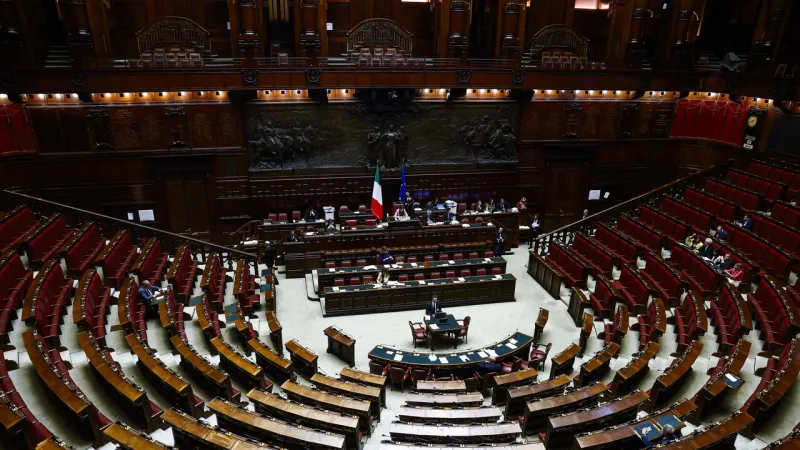
Italy's parliamentary majority has put forward a pivotal amendment to the national electoral law, seeking to enable citizens residing outside their registered electoral districts to cast ballots in political elections, referendums, and European elections. This legislative initiative represents a concerted effort to enhance democratic participation and address long-standing disenfranchisement.
The proposal, backed by a coalition comprising Fratelli d'Italia (FdI), Lega, Forza Italia (FI), and Noi Moderati (Nm), aims to modernize Italian voting procedures. It specifically targets individuals who, due to work, study, or other commitments, live in a different municipality or region from where they are officially registered to vote.
Historically, Italian citizens away from their residential municipalities on election day have faced significant logistical hurdles, often requiring travel across the country to exercise their fundamental right to vote. This often translated into suppressed voter turnout, particularly among younger demographics and mobile professionals.
The amendment seeks to mitigate these challenges by implementing a system that allows eligible voters to register their temporary domicile for electoral purposes. This would streamline the process and make it considerably easier for thousands of Italians to participate in key democratic exercises.
In a joint statement accompanying the amendment's submission, the coalition partners emphasized their commitment to civic engagement. They declared, “We are providing concrete answers to citizens. Does the opposition subscribe to this initiative?” This query suggests a desire for bipartisan consensus on a matter of national importance, while also challenging rival parties to support a measure widely perceived as beneficial for public participation.
This proposed overhaul aligns with broader international trends where many developed nations have adopted various forms of absentee, early, or out-of-district voting to ensure maximum electoral accessibility. The experience of other European countries, for instance, often highlights the positive impact such measures can have on voter engagement and democratic legitimacy.
The scope of the amendment is comprehensive, encompassing not only general political elections, which determine the composition of Parliament, but also crucial national referendums and elections for the European Parliament. This wide application underscores the majority's intent to foster a more inclusive democratic process across all levels of governance.
While the exact mechanisms for implementing out-of-district voting remain subject to parliamentary debate and refinement, the overarching goal is to ensure security and integrity while maximizing convenience. Discussions will likely revolve around technical aspects such as voter registration updates, secure ballot delivery, and prevention of fraud.
The introduction of this significant electoral law reform comes at a time when Italian political discourse frequently touches upon the need to reinvigorate public trust in institutions and bolster citizen involvement. By removing practical barriers to voting, the majority hopes to cultivate a more active and representative electorate.
Legislators anticipate robust debate on the amendment in the coming weeks. Should it pass, this reform could mark a transformative moment for Italian democracy, ensuring that geographical distance no longer dictates a citizen's ability to shape the nation's future.
Image Caption: A ballot box stands ready in a polling station in Rome, Italy, symbolizing the ongoing efforts to expand electoral participation through proposed legislative amendments.