 Stefani Rindus
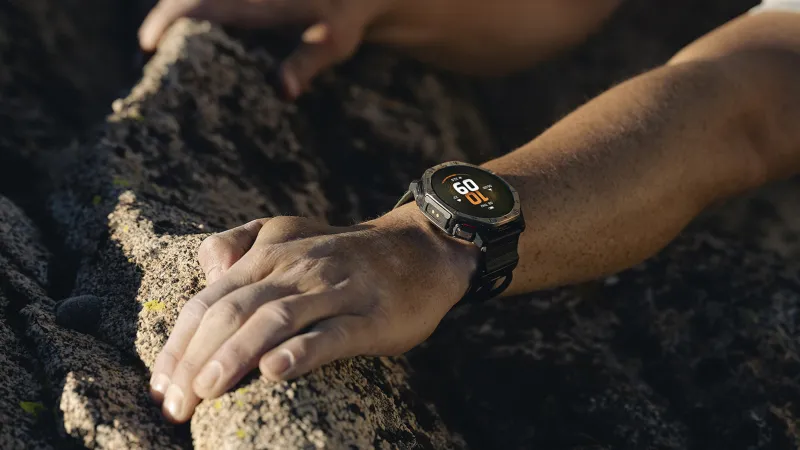
The burgeoning market for wearable technology consistently offers consumers a spectrum of choices, from premium devices to more accessible alternatives. Among these, Amazfit smartwatches have carved a significant niche, positioning themselves as appealing budget-friendly options. However, as with any device balancing cost and capability, these wearables present a compelling array of features alongside notable limitations that prospective buyers must consider before purchase.
Who are these devices for? Generally, Amazfit smartwatches target individuals seeking essential fitness tracking, smart notifications, and a decent battery life without the prohibitive cost associated with flagship models from established tech giants. Their value proposition often centers on affordability, making advanced health monitoring more democratic.
One of the most frequently lauded aspects of Amazfit smartwatches is their exceptional battery life. While many high-end smartwatches require daily or bi-daily charging, numerous Amazfit models boast multi-day, and sometimes multi-week, endurance on a single charge. This characteristic significantly enhances user convenience, reducing the frequency of charging interruptions.
Beyond battery longevity, the core fitness tracking capabilities are generally robust. Users can typically expect accurate step counting, heart rate monitoring, sleep analysis, and a wide array of sport modes. The accompanying Zepp app, which manages device data, provides a user-friendly interface for reviewing health metrics and workout performance, contributing to a comprehensive wellness overview.
Furthermore, Amazfit has diversified its product lineup with various designs and form factors, ranging from sleek, minimalist aesthetics to more rugged, sport-oriented watches. This variety ensures that consumers can often find a device that aligns with their personal style and activity preferences, contributing to their widespread appeal.
However, the budget-friendly nature of Amazfit devices necessitates certain compromises, which become apparent upon closer examination. One frequent area of contention among users involves GPS accuracy. While functional for general outdoor activities, the precision can sometimes fall short when compared to more expensive smartwatches, potentially impacting detailed route tracking for serious athletes.
Another significant limitation is the relatively restricted third-party application ecosystem. Unlike smartwatches running Wear OS or Apple watchOS, Amazfit devices primarily rely on their proprietary Zepp OS. This means users have limited options for downloading additional apps, potentially hindering customization and expanding functionality beyond the pre-installed features.
Notification management can also be an inconsistent experience for some users. While Amazfit smartwatches generally relay notifications from a connected smartphone, the reliability and interactivity can vary, sometimes leading to delayed alerts or a less seamless integration with certain messaging and email applications.
Display quality, while improving across newer models, may not always match the vibrancy, resolution, or brightness of premium competitors. This can impact readability in direct sunlight or diminish the overall visual experience, particularly for devices at the lower end of the Amazfit price spectrum.
Payment capabilities, such as NFC for contactless transactions, are often absent or limited to specific regions and models. This omission means users cannot always use their Amazfit smartwatch as a digital wallet, a feature increasingly common in other smart wearables.
Ultimately, the choice to embrace an Amazfit smartwatch involves a clear trade-off. Consumers gain an affordable, long-lasting device capable of solid fundamental fitness tracking and smart notifications. In return, they accept certain limitations regarding app versatility, GPS precision, and advanced smart features typically found in higher-priced alternatives. Understanding these balances is crucial for making an informed decision that aligns with individual needs and expectations in 2026.