 Chandra Wijayanto
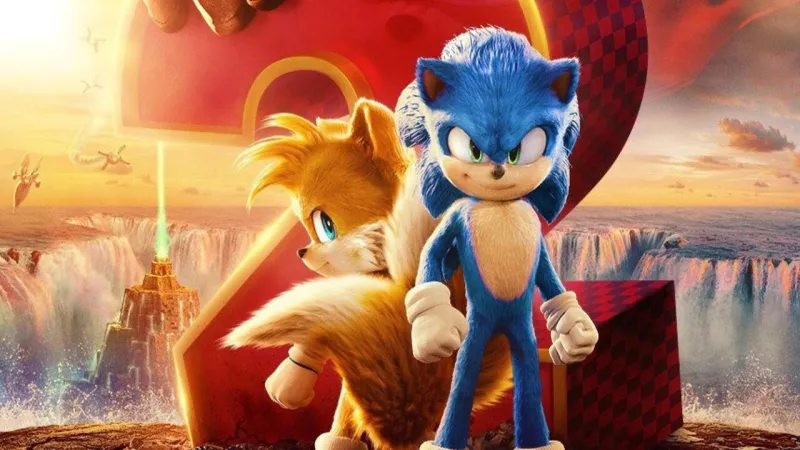
LOS ANGELES - Netflix and Sega have announced a significant expansion of their collaboration, revealing ambitious plans for multiple new film and television adaptations based on popular video game franchises. This strategic partnership aims to capitalize on the rich narratives and established fan bases of Segas iconic titles, including anticipated projects for Crazy Taxi and Sonic the Hedgehog, as both entities seek to deepen their footprint in the convergent entertainment landscape.
The announcement underscores a growing trend within the entertainment industry to leverage well-known intellectual properties from the gaming world, transforming them into multimedia sagas for streaming audiences. Netflix, a global leader in digital content, continues its aggressive push into original programming, seeing video game adaptations as a fertile ground for subscriber growth and engagement.
Key to this development are the beloved franchises Crazy Taxi, known for its chaotic open-world driving, and Sonic the Hedgehog, the iconic speedy blue mascot. While specifics regarding production timelines, casting, and creative teams remain under wraps, the mere mention of these titles has ignited considerable excitement among fans and industry watchers alike.
Sega, a venerable name in the video game sector, has been actively pursuing avenues to extend the reach of its intellectual property beyond traditional gaming consoles. This renewed partnership with Netflix represents a pivotal step in its long-term strategy to establish its characters and stories across diverse media platforms, ensuring longevity and broader appeal.
The success of prior video game adaptations, such as the Sonic the Hedgehog feature films, has clearly demonstrated the immense commercial potential when these transitions are handled adeptly. Critics and audiences have lauded these cinematic ventures for their faithfulness to the source material while also introducing new storytelling elements.
Netflix itself is no stranger to the world of video game adaptations, having achieved critical and popular acclaim with series like Castlevania and Arcane, based on League of Legends. These projects have set a high bar for quality, demonstrating that careful consideration for a games lore and fan expectations can yield compelling television.
The challenge for any adaptation lies in translating interactive experiences into passive viewing narratives without losing the essence that captivated players. Creative teams must navigate the delicate balance between satisfying existing fans and attracting new viewers who may be unfamiliar with the original games.
This expansion further solidifies the streaming giants commitment to varied content offerings. As competition in the streaming wars intensifies, exclusive content derived from popular, pre-existing franchises becomes an invaluable asset in attracting and retaining subscribers globally.
Industry analysts note that such partnerships represent a symbiotic relationship. Netflix gains access to a wealth of storytelling material with built-in audiences, while Sega sees its characters and worlds introduced to a massive, global viewership, potentially driving renewed interest in its gaming catalog.
The move also reflects a broader shift in Hollywoods approach to intellectual property. Executives are increasingly looking beyond traditional literary sources, recognizing video games not merely as niche entertainment but as powerful cultural phenomena ripe for cinematic and episodic exploration.
As the entertainment landscape evolves, the line between gaming, film, and television continues to blur. This latest announcement from Netflix and Sega is a testament to the ongoing convergence, promising a future where beloved virtual worlds seamlessly cross into our living rooms and local theaters.
Fans eagerly await further details on the planned Crazy Taxi and Sonic projects, anticipating how these iconic adventures will be re-imagined for a new era of digital storytelling. The success of these endeavors could well dictate the pace and scale of future video game adaptations across the industry.