 Edward DP Situmorang
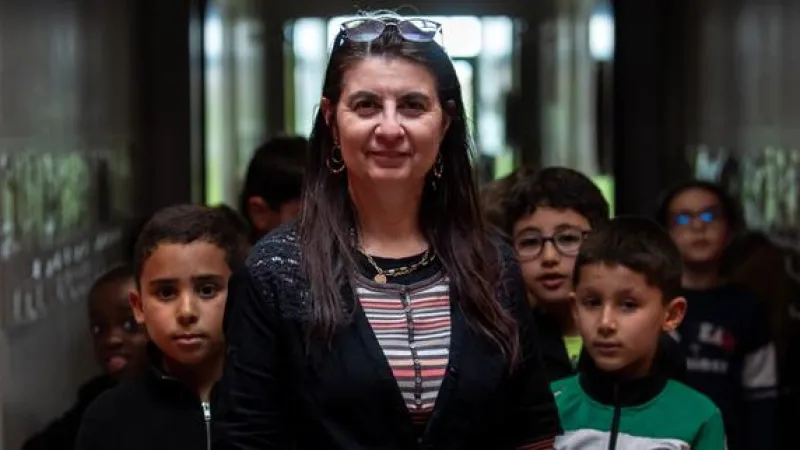
A burgeoning movement among educators is reshaping conventional learning environments, as an increasing number of teachers integrate artificial intelligence (AI) into their daily instruction. Initially met with skepticism, this technological embrace now positions AI as a catalyst for pedagogical innovation, prompting educators to revisit established teaching methodologies and cultivate more active, dynamic student participation across various classrooms.
This shift marks a significant evolution from earlier apprehensions surrounding AI's role in education. Many teachers, who once viewed AI as a potential threat or a distraction, are now actively exploring its capabilities to augment their professional practice. The focus has moved beyond basic technological adoption to strategic implementation aimed at tangible improvements in learning outcomes and student interaction.
Teachers describe a transformative experience, often feeling like an augmented professor as the technology extends their capacity to deliver personalized learning. They leverage AI not to replace human instruction, but to provide individualized support, automate administrative tasks, and generate tailored educational resources that cater to diverse student needs.
For instance, AI tools assist in crafting adaptive quizzes that adjust difficulty based on student performance, offer instant feedback on assignments, and even simulate complex scenarios for hands-on learning. These applications free up valuable teacher time, allowing for deeper engagement with students on critical thinking and problem-solving skills rather than rote memorization.
The integration of artificial intelligence is fundamentally redesigning pedagogical approaches. Educators are reporting a marked increase in student engagement as AI-powered platforms offer interactive experiences that resonate with a generation accustomed to digital immersion. This fosters an environment where students are not just passive recipients of information but active participants in their learning journey.
One prominent benefit is the ability of AI to personalize learning paths, identifying individual student strengths and weaknesses with precision. This data-driven insight empowers teachers to offer targeted interventions and enrichment activities, ensuring that every student receives the appropriate level of challenge and support.
Despite the enthusiasm, challenges persist. Concerns regarding data privacy, equitable access to technology, and the potential for AI to inadvertently perpetuate biases remain critical discussion points within the educational community. These considerations underscore the need for thoughtful implementation and ongoing ethical scrutiny.
The rapid advancements in AI hardware, exemplified by developments like Nvidia Unleashes AI Superchip, Ignites PC Revolution Against Intel, Apple, provide the technological backbone for these educational innovations, enabling more powerful and accessible AI tools in classrooms.
The broader societal debate around artificial intelligence, highlighted by instances such as Florida Sues OpenAI: ChatGPT Poses Grave Public Safety Threat, also informs the cautious yet progressive adoption of AI within schools. Educators are mindful of both the immense potential and inherent risks associated with these powerful technologies.
Looking ahead, the role of artificial intelligence in education is poised for further expansion. As AI models become more sophisticated and user-friendly, they promise to unlock new pedagogical frontiers, transforming not only how students learn but also how teachers deliver instruction. The collaborative synergy between human intellect and artificial intelligence stands to redefine the future of academic institutions.
This evolution positions the teacher less as a sole disseminator of knowledge and more as a facilitator, guiding students through AI-enhanced learning ecosystems. The augmented teacher can devote more energy to mentorship, fostering critical thinking, and nurturing socio-emotional development, aspects where human connection remains irreplaceable.
Ultimately, the integration of artificial intelligence into classrooms is moving beyond mere technological novelty. It is emerging as a fundamental tool for pedagogical renewal, empowering educators and engaging students in ways that were previously unimaginable. This innovative approach promises a more personalized, efficient, and interactive learning experience for all involved.