 Chandra Wijayanto
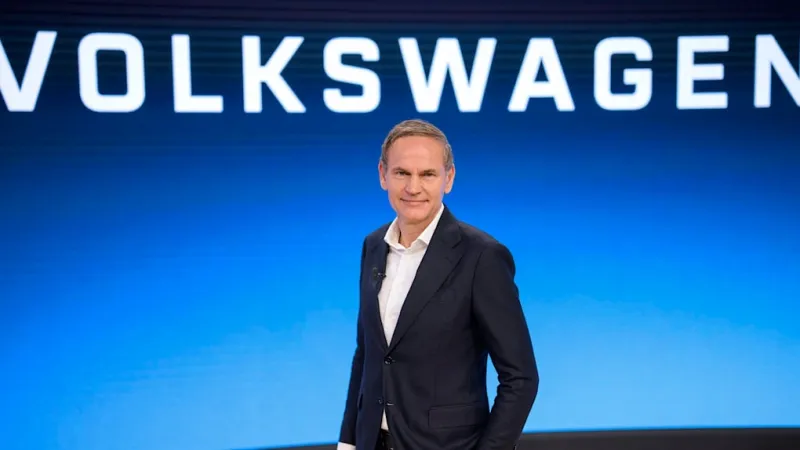
BERLIN – Volkswagen AG CEO Oliver Blume has indicated a strong preference for avoiding the closure of four production plants situated across Germany. Amid ongoing economic pressures and restructuring efforts, Blume asserted that the automaker is actively pursuing intelligent solutions to maintain operations, citing the demonstrable success of current cost-saving initiatives at these critical manufacturing sites. This strategic stance aims to safeguard jobs and production capacity in a challenging industrial landscape.
The German automotive giant faces a protracted struggle to streamline operations and enhance profitability. Discussions surrounding the future of its domestic production footprint have intensified in recent months, fueled by rising energy costs, global supply chain disruptions, and the significant investment required for the transition to electric vehicles.
Blume's remarks underscore a proactive approach to these challenges, diverging from strategies that might involve outright site closures. He expressed a conviction that viable alternatives exist, emphasizing the value of preserving the existing workforce and infrastructure. "There are smarter solutions than closing plants," Blume reportedly stated, signaling the company's commitment to innovation in its operational management.
Indeed, the chief executive pointed to tangible results from ongoing efficiency drives. These internal savings initiatives, implemented across various Volkswagen production sites, are already demonstrating positive effects on the company's financial health and operational agility. The efficacy of these measures provides a strong argument against more drastic actions like full plant shutdowns.
While specific details regarding the four plants were not publicly enumerated, the announcement affects a significant portion of Volkswagen's German manufacturing base. These facilities are integral to the company's global production network, contributing to the output of a wide range of vehicles, from internal combustion engines to electric models.
The automotive sector remains a cornerstone of the German economy. Any decision regarding major industrial plants carries considerable weight, impacting thousands of employees, local economies, and national industrial policy. Volkswagen's efforts to avoid closures resonate deeply within this context, offering a potential blueprint for other manufacturers facing similar dilemmas.
Historically, some industrial giants have resorted to plant closures to cut costs and consolidate production in times of economic duress. Volkswagen's current strategy, as articulated by Blume, appears to prioritize innovative efficiency gains and internal restructuring over such divestitures, reflecting a nuanced understanding of long-term sustainability.
This approach is likely to be welcomed by labor unions and employee representatives who have consistently advocated for job security and opposed plant shutdowns. Securing the future of these plants through alternative strategies would represent a significant victory for collective bargaining efforts and industrial stability.
Volkswagen continues to navigate a transformative period, investing heavily in electric mobility, digitalization, and autonomous driving technologies. Maintaining a robust and efficient production footprint in its home market is crucial for anchoring its technological leadership and ensuring a smooth transition to future automotive paradigms.
Blume's confidence in internal solutions highlights a strategic pivot towards optimizing existing assets rather than shedding them. The automaker believes that sustained investment in efficiency and technological upgrades can yield better long-term results than immediate, drastic cost-cutting measures.
This stance could also send a positive signal to investors, indicating a company that is resilient and capable of finding innovative ways to manage costs without sacrificing core production capabilities or market presence.
Ultimately, the declaration underscores Volkswagen's continued commitment to Germany as a vital production and innovation hub. This commitment is essential for maintaining skilled jobs and contributing to the nation's industrial strength as it navigates global economic shifts.