 Robert Andrison
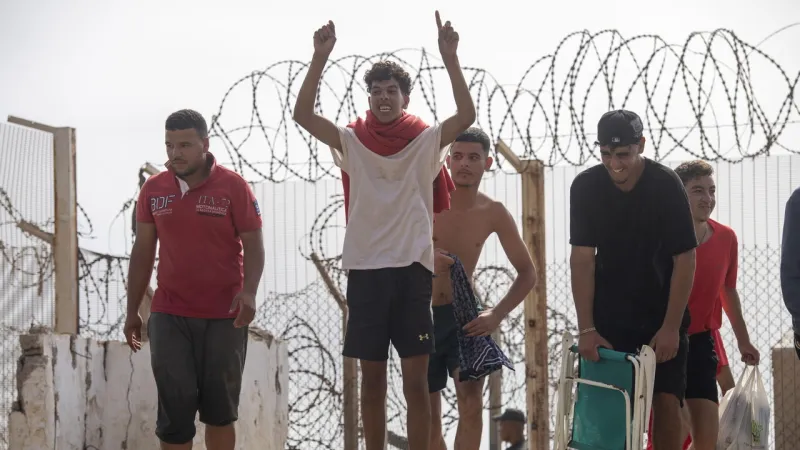
BRUSSELS - Italian Prime Minister Giorgia Meloni, alongside 21 other European leaders, has successfully urged the European Union to convene an urgent summit, approved today, to address the escalating migrant crisis. The development follows a stark declaration from Spanish Prime Minister Pedro Sanchez, who asserted that the Schengen area faces potential suspension due to either "ignorance or political interests," as the death toll offshore Ceuta mounted to 84, coinciding with an assault on a reception center that left one migrant injured.
The unified appeal, spearheaded by Prime Minister Meloni, underscores a growing consensus among a significant bloc of European nations regarding the immediate need for a coordinated strategy. These leaders articulated profound concerns over the human cost and the increasing strain on national resources across the continent.
The swift approval from Brussels for an emergency meeting signals the EU's recognition of the gravity of the situation. Discussions are expected to focus on border management, asylum processing, and solidarity mechanisms among member states, aiming for a unified, rather than fragmented, response.
Prime Minister Sanchezs pointed remarks regarding the Schengen free-travel zone highlight the deep divisions within the bloc. His implication that political posturing or a lack of understanding could jeopardize one of Europes fundamental achievements resonated with calls for greater shared responsibility.
The tragic loss of 84 lives in maritime incidents off the Spanish enclave of Ceuta serves as a grim reminder of the perilous journeys undertaken by migrants seeking refuge or a better life. These deaths amplify the urgency for effective search and rescue operations and safe pathways.
Further escalating tensions, a reception center in the vicinity of Ceuta was reportedly assaulted, resulting in injuries to at least one migrant. Such incidents fuel debates on the security and adequacy of current migrant facilities and the integration challenges faced by host communities. This crisis in Ceuta has been a recurring point of contention.
Europe has grappled with an intensifying migrant crisis for years, marked by fluctuating influxes and contentious policy debates. Southern European nations, particularly Italy and Spain, bear a disproportionate burden due to their geographical proximity to primary migration routes.
Italy, under Prime Minister Meloni, has consistently advocated for stricter external border controls and a more equitable distribution of asylum seekers across EU member states. The country has also taken steps to bolster its Schengen borders, reflecting its national concerns.
Sanchezs warning about Schengen echoes broader concerns about its long-term viability if internal disagreements over migration policy persist. The principle of free movement, a cornerstone of European integration, comes under intense pressure during periods of high migration.
The demand for a summit follows previous calls by various EU nations for an urgent interior ministers session, indicating a sustained effort to find solutions at different levels of governance.
The crisis lays bare the political impasse within the EU, where member states often prioritize national interests over collective action. The upcoming summit will be a crucial test of European unity and its capacity to formulate a humane yet pragmatic solution.
Beyond the political rhetoric, humanitarian organizations continue to emphasize the urgent need for safe and legal routes for migrants, arguing that current policies inadvertently push individuals into more dangerous situations and illicit trafficking networks.
The economic implications of the migrant crisis, including integration costs and labor market dynamics, also feature prominently in discussions. Member states seek sustainable strategies that balance humanitarian imperatives with economic realities.
The EU summit is expected to outline concrete actions, potentially including enhanced Frontex operations, expedited asylum procedures, and renewed diplomatic efforts with origin and transit countries to stem irregular migration flows.
As Europe grapples with this multifaceted challenge, the upcoming summit represents a critical juncture. Its outcomes will determine not only the immediate future of migration policy but also the strength of European solidarity in the face of persistent global humanitarian pressures.