Angel Doris
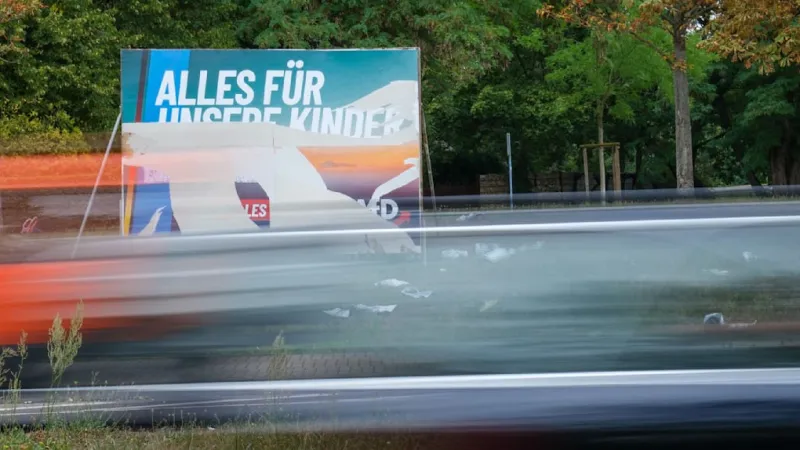
MAGDEBURG, Saxony-Anhalt – The state of Saxony-Anhalt experienced a significant escalation in criminal activity during its recent state election campaign, with the Landeskriminalamt, Germany's State Criminal Police Office, documenting a startling 747 offenses. This marked a considerable increase compared to the previous election cycle, primarily driven by widespread vandalism targeting the political posters of three prominent parties across the region.
The recorded tally underscores a troubling trend in the German political landscape, where electoral processes are increasingly facing disruptions and malicious acts. The scale of the reported incidents suggests a concerted effort to undermine the visibility and messaging of particular political entities during a crucial democratic exercise.
Authorities noted that the overwhelming majority of these offenses revolved around the destruction or defacement of election posters. This form of vandalism not only incurs financial costs for the parties involved but also visually pollutes public spaces and sends a chilling message about the respect for democratic debate.
The focus on the posters of three specific parties indicates a targeted approach, hinting at potential political motivations behind the surge in these criminal acts. While the Landeskriminalamt did not specify the parties, the pattern suggests a deliberate attempt to suppress certain voices or expressions of political opinion.
Such incidents, ranging from minor defacement to outright destruction, can intimidate campaigners and voters, potentially impacting participation and the free exchange of ideas vital to a healthy democracy. The integrity of the election campaign becomes compromised when basic rights to political expression are challenged through illegal means.
The rise in election campaign crimes aligns with broader concerns regarding the robustness of democratic institutions in Germany. Experts have frequently highlighted the increasing challenges posed by various forms of political extremism and disinformation, themes echoed in discussions such as Germany in Autocrats' Crosshairs: Habeck Warns of Disinformation Threat.
Law enforcement agencies are tasked with not only documenting these offenses but also investigating and prosecuting those responsible. The ability to hold perpetrators accountable is crucial in deterring future acts of political aggression and maintaining public trust in the electoral system.
The comparison to the previous election year reveals a concerning trajectory, where the level of antagonism and willingness to resort to criminal behavior appears to be intensifying. This escalation demands attention from policymakers and civil society organizations dedicated to fostering peaceful political discourse.
Beyond the immediate damage, the proliferation of such crimes can contribute to a climate of fear and distrust among the electorate. Citizens may feel less secure in expressing their political views or participating in public life if they perceive political campaigns as arenas for conflict rather than dialogue.
The need for vigilance and proactive measures to protect electoral campaigns is paramount. This includes public awareness campaigns promoting respect for political diversity and stronger enforcement mechanisms to ensure that those who engage in disruptive or criminal acts face appropriate legal consequences.
Ultimately, the ability of a democratic society to conduct free and fair elections, where all participants can express themselves without fear of reprisal or vandalism, stands as a cornerstone of its foundational values. The incidents in Saxony-Anhalt serve as a stark reminder of the continuous effort required to safeguard these principles.
In related developments, the resilience of Germany's democratic framework has been a subject of ongoing debate, as noted in reports like Steinmeier: German Democracy Stronger Than Malice Amid Extremist Threats, Media Scrutiny. These discussions underscore the internal and external pressures facing the nation's political landscape.
The prevalence of such campaign crimes also raises questions about the overall civility of political engagement. When disagreements devolve into property destruction, it signals a breakdown in the norms of respectful competition that are essential for a functioning democracy.
Efforts to combat these challenges will likely require a multi-faceted approach, involving public education, community engagement, and sustained law enforcement action. Only through a concerted societal commitment can the integrity of political processes be fully protected against such widespread malicious acts.