 Dorry Archiles
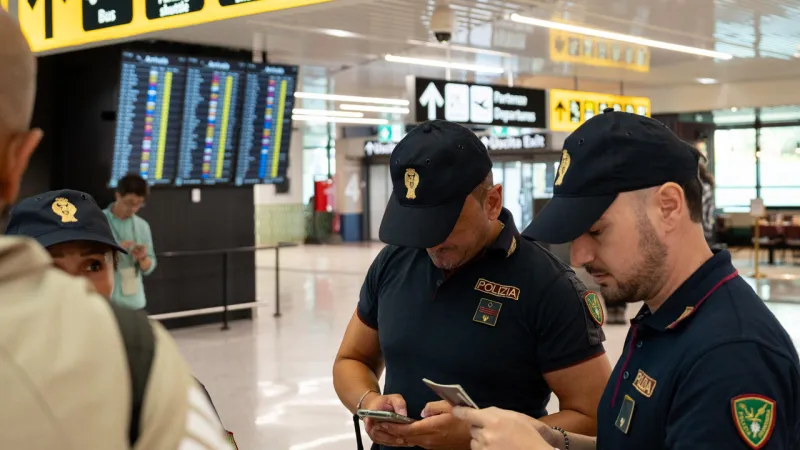
ROME – Italian authorities have commenced rigorous passenger screenings at major international airports, including Fiumicino, Malpensa, and Linate, focusing exclusively on all inbound flights originating from Spain. This assertive measure, implemented following a recent government directive, signals a significant re-evaluation of border controls within the Schengen Area amid broader European security and migration challenges.
The decision to specifically target routes from Spain underscores growing apprehension within the Italian government regarding regional security dynamics and uncontrolled migration flows. While specifics of the government's justification remain partially veiled, the action aligns with increasing calls across the European Union for enhanced border management.
For travelers, the new protocols mean extended waiting times and additional scrutiny upon arrival in Italy from any Spanish airport. Passengers are advised to prepare for thorough document verification and potential secondary interviews, a marked departure from the typically seamless intra-Schengen travel experience.
The Schengen Agreement, a cornerstone of European integration, permits passport-free movement across much of the continent. However, member states retain the right to temporarily reinstate internal border controls under exceptional circumstances, such as serious threats to public policy or internal security. Italy appears to be exercising this prerogative.
This move by Rome comes at a time when the broader European Union grapples with persistent migration pressures. Recent reports indicate intensified discussions among member states regarding the integrity of the Schengen zone, with some nations urging an urgent summit of interior ministers to address mounting concerns. Relatedly, the "EU Backs Urgent Summit Amid Migrant Crisis; Schengen Under Fire" as concerns about the free movement area's future grow.
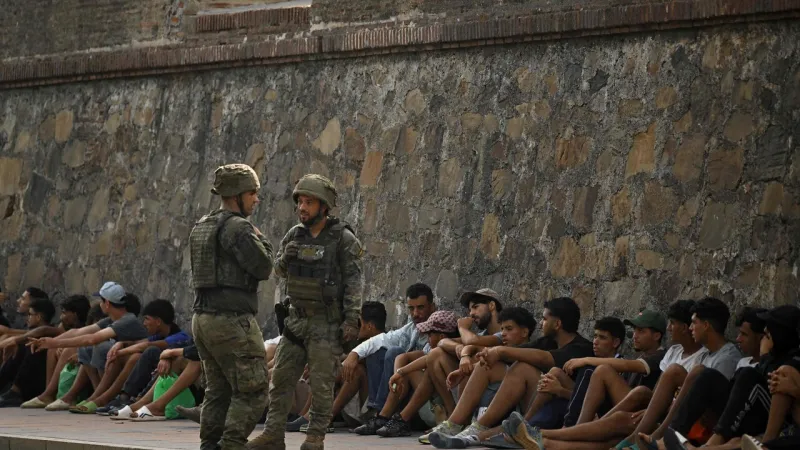
Spain itself has been at the forefront of the migration crisis, particularly concerning arrivals via its southern borders. The situation in enclaves like Ceuta has escalated, prompting Spain to demand an urgent EU summit amidst rising death tolls and humanitarian challenges. The "Ceuta Crisis Deepens: Spain Demands Urgent EU Summit Amid Rising Death Toll" reflects the severe conditions faced by Madrid.
Observers suggest that Italy's decision could be a direct response to perceived vulnerabilities stemming from these Spanish challenges, or a preemptive measure to prevent secondary movements of migrants within the Schengen zone. The Italian government has previously vocalized its concerns over the shared burden of migration.
Airline operators have been notified of the new requirements, and airport staff are implementing the heightened checks with immediate effect. While the measures are framed as temporary, no definitive end date has been publicly announced, leaving their duration subject to ongoing evaluation of the security landscape.
The reintroduction of checks on specific routes, even within the Schengen zone, highlights the fragile balance between freedom of movement and national security imperatives. It serves as a potent reminder that the principles of open borders can be suspended when national governments perceive significant threats.
This development contributes to a growing trend across Europe where various nations have, at different times, temporarily reimposed border controls. The ongoing debate about how to effectively manage external borders while preserving the benefits of internal free movement continues to be a defining challenge for the European project. These actions underscore the complex political interplay shaping European policy in 2026.
Image Caption: Italian border police conducting passenger checks at a major airport, part of intensified scrutiny on flights arriving from Spain following a government directive.