 Dodi Irawan
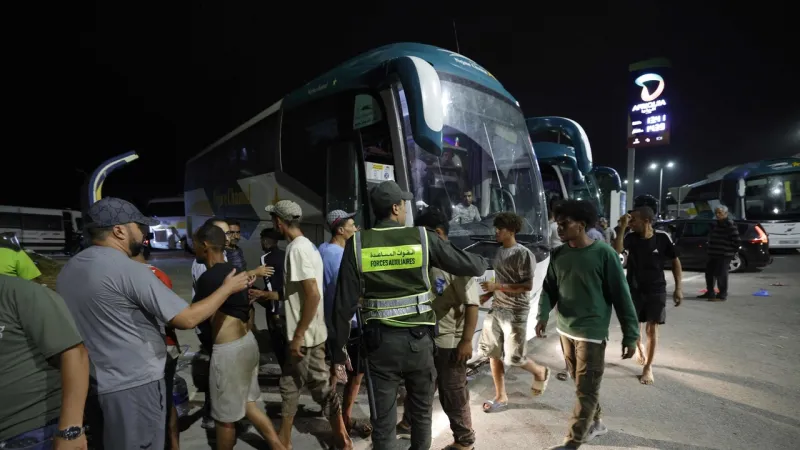
CEUTA — Tensions escalated dramatically overnight in the Spanish North African enclave of Ceuta, where dozens of migrants attempted to breach the heavily fortified border perimeter. The ensuing chaos resulted in one migrant sustaining injuries during a brawl, prompting authorities to lockdown the area. This incident tragically coincided with a surging maritime death toll, which has now reached 67 lives lost at sea in recent weeks.
The attempted incursion involved a substantial group of individuals, many reportedly part of larger encampments situated just beyond the border fence. Eyewitness accounts suggest a coordinated effort to overwhelm security forces stationed along the barrier. Spanish Civil Guard and local police units were rapidly deployed to repel the push, re-establishing control after a period of intense confrontation.
Details regarding the injured migrant indicate they suffered non-life-threatening wounds during the melee. Emergency medical personnel provided immediate assistance on site before transferring the individual for further care. The specific circumstances leading to the injury are under investigation by local authorities.
Ceuta, alongside its neighboring enclave of Melilla, represents Europes only land borders with Africa. These strategically vital territories have long been flashpoints in the broader European migrant crisis, attracting thousands of individuals from across Africa and beyond who seek to reach European soil. The formidable border fences, equipped with razor wire and surveillance technology, are routinely tested by desperate hopefuls.
The tragic increase in the number of migrants perishing at sea casts a somber shadow over the latest developments. While the Ceuta incident occurred on land, the rising death toll, now standing at 67, predominantly refers to those attempting perilous voyages across the Mediterranean. These journeys, often undertaken in overcrowded and unseaworthy vessels, are fraught with immense danger.
The ongoing situation in Ceuta has frequently drawn international scrutiny and criticism. For instance, Austria Slams Spains Ceuta Policy: EU Entry Tickets Handed Out recently highlighted differing European perspectives on Spains handling of the enclave. Critics often point to the humanitarian implications of border enforcement strategies.
Humanitarian organizations operating in the region consistently warn of the escalating risks faced by migrants. They advocate for safer and more orderly pathways for asylum seekers and economic migrants, emphasizing the urgent need for a comprehensive European policy that prioritizes human dignity and safety over deterrence.
Spanish officials reiterated their commitment to securing the border and maintaining public order while upholding international law. The immediate aftermath saw a reinforced presence of security personnel around the perimeter and in areas where migrant populations are known to congregate. The government maintains that such measures are necessary to manage uncontrolled entry attempts.
The Ceuta crisis also has wider ramifications for European Union member states. Previously, concerns over uncontrolled migrant flows from Spanish enclaves led to significant policy discussions, including when Italy Halts Schengen with Spain Over Ceuta Migrant Influx. Such actions underscore the interconnected nature of border management within the EU.
The desperation driving these attempts is profound, often fueled by economic hardship, conflict, and political instability in their home countries. For many, the prospect of a better life in Europe, however remote, outweighs the grave dangers. Stories like that depicted in Ceuta Dream Shattered: Teen Migrants European Hope Faces Harsh Reality exemplify the harrowing journeys and dashed expectations many face.
As the number of attempted crossings and maritime fatalities continues to climb, the international community faces persistent calls to address the root causes of migration and foster more humane and effective solutions. The events in Ceuta serve as a stark reminder of the ongoing challenges at Europes southern frontier.