 Stefani Rindus
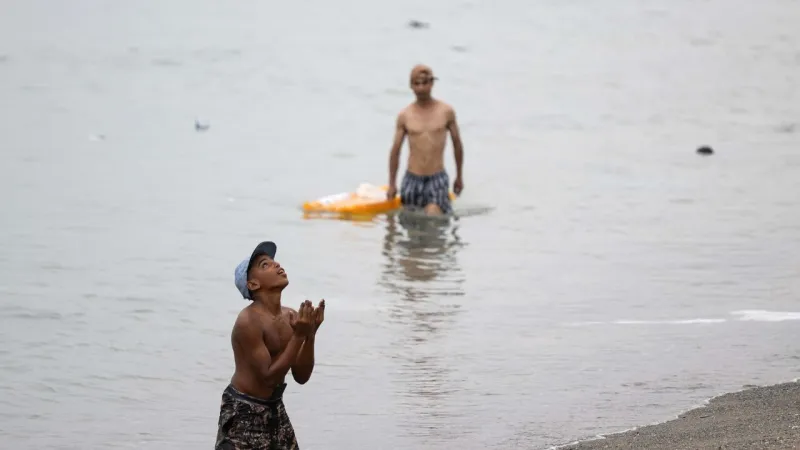
Sixteen-year-old Ali, a Moroccan migrant, recently made a hopeful phone call to his father from Ceuta, declaring, "I am in Europe," only to confront the harsh realities and widespread disillusionment shared by many young asylum seekers traversing the arduous Mediterranean route.
Ali's journey began in Marrakech, where he boarded a bus with the same aspirations as countless peers from Generation Z seeking opportunities beyond their homeland. His arrival in the Spanish enclave, one of Europe's two land borders with Africa, represented a critical, albeit precarious, step toward a perceived better future.
The initial triumph, however, often gives way to a stark realization. The dream of swift integration and prosperity frequently collides with complex asylum procedures, xenophobia, and limited resources in destination countries. For many young migrants like Ali, the European welcome proves far more challenging than anticipated.
This demographic, often referred to as Generation Z, comprises individuals born roughly between the mid-1990s and early 2010s. Driven by economic hardship, political instability, and the siren call of interconnected global media, they embark on these perilous journeys, often unaware of the profound obstacles ahead.
The Ceuta border, along with its counterpart Melilla, represents a fortified frontier that has witnessed escalating migrant influxes. These enclaves serve as critical gateways, yet they are also flashpoints for humanitarian crises and intense political debate regarding border control and human rights. Recent data indicates the immense pressure on these territories, with reports of Ceuta Border Overwhelmed: 49,000 Migrants Enter, 18 Dead Amid Clashes in past surges.
The sheer scale of human movement through Ceuta has galvanized international attention. Political leaders have frequently weighed in, underscoring the divisive nature of the crisis. President Donald Trump, for instance, has previously labeled such migrant influxes a "Terrible Invasion," reflecting a hardline stance prevalent among certain political factions globally. Similarly, German politician Wolfgang Kubicki has criticized the Left's position on Ceuta migrant issues as "Completely Insane," highlighting the ideological chasm.
European nations have grappled with the implications, with some resorting to stringent measures. Italy Halts Schengen with Spain Over Ceuta Migrant Influx, for example, illustrates the ripple effect across the continent as countries reassess border policies in response to the perceived strain on their resources and security.
The disconnect between the idealized vision of Europe held by many young migrants and the often-harsh realities encountered upon arrival contributes to significant psychological distress. Stories of hope giving way to despair are common, as individuals face lengthy waits for asylum processing, cultural assimilation challenges, and the struggle for employment.
Organizations like UNICEF and WHO have continuously highlighted the vulnerability of young migrants and the imperative for humanitarian responses that prioritize their safety and well-being. However, the political complexities surrounding border sovereignty and national security often overshadow these humanitarian considerations.
Ali's hopeful call to his father from Ceuta encapsulates the dreams and subsequent disappointments of a generation. His narrative is a microcosm of a larger, ongoing humanitarian challenge that demands comprehensive and compassionate solutions, extending far beyond the fortified fences of the Spanish enclaves.
The situation in Ceuta and Melilla remains a critical barometer of Europe's migration policies and its capacity to manage complex humanitarian flows. The enclaves underscore the continuous tension between security imperatives and the fundamental rights of individuals seeking refuge and a better life.
This enduring crisis prompts an examination of both the push factors driving young individuals from their homes—such as poverty, lack of educational opportunities, and climate change effects—and the pull factors, often exaggerated by social media, that paint an overly optimistic picture of European life.
Ultimately, the experience of migrants like Ali serves as a poignant reminder of the human cost of global disparities and the urgent need for collaborative international strategies that address the root causes of migration, rather than solely focusing on border enforcement.