Gabriella
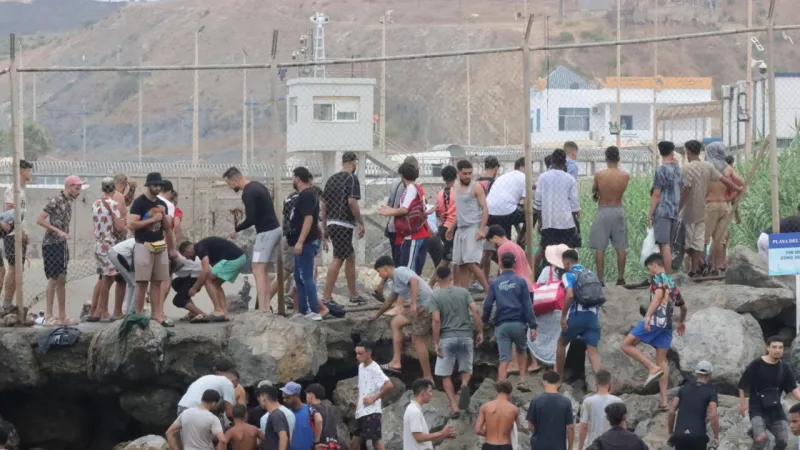
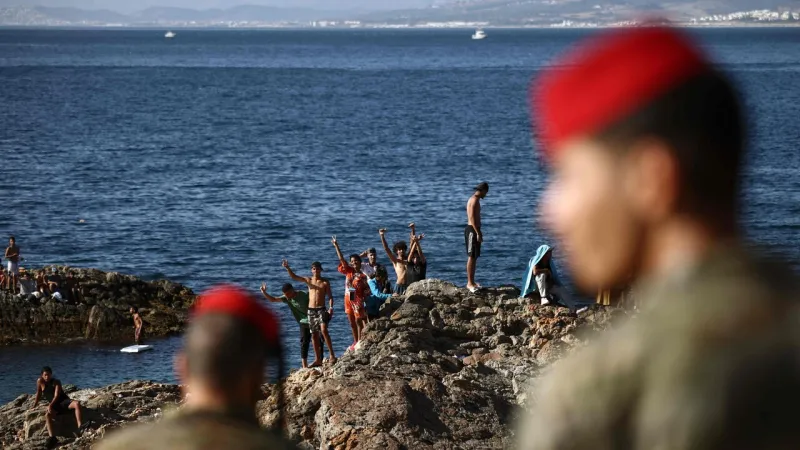
Ceuta, Spain – An unprecedented humanitarian crisis unfolded in the Spanish autonomous city of Ceuta, where nearly 49,000 migrants surged across its border with Morocco within a 24-hour period, leading to at least 18 confirmed deaths and violent confrontations with border forces. The overwhelming influx prompted the immediate closure of the border in the nearby enclave of Melilla as well, following a separate entry of 400 migrants.
The tragic death toll, which rose to 18, underscores the perilous journey undertaken by those seeking entry into European territory. Authorities have not yet released comprehensive details regarding the specific circumstances of each fatality, though initial reports suggest drownings and injuries sustained during the border breaches were significant factors.
Eyewitness accounts and official statements confirmed widespread clashes between migrants and border patrol units. Reports indicate that migrants resorted to throwing stones at security personnel, who in turn deployed various crowd control measures to stem the tide. These confrontations highlighted the escalating tensions at the heavily fortified frontier.
The sheer volume of arrivals, approaching 49,000 individuals in a single day, represents one of the largest mass migrant entries into a European territory in recent history. This extraordinary figure has placed immense strain on Ceuta's limited infrastructure and emergency services.
Local aid organizations and emergency services were quickly overwhelmed, struggling to provide basic necessities such as food, water, and medical care to the thousands of new arrivals. Makeshift shelters were established, but capacity remained a critical concern as the numbers continued to mount.
The decision to close the border at Melilla, another Spanish enclave neighboring Morocco, signaled a broader attempt by Spanish authorities to regain control over its southern frontiers. The 400 migrants who entered Melilla before its closure contributed to the regional crisis, albeit on a smaller scale than the Ceuta surge.
This crisis has reignited urgent debates across Europe regarding migration policies, border security, and international humanitarian responsibilities. The rapid escalation in Ceuta serves as a stark reminder of the persistent pressures on Europe's external borders.
The events have drawn sharp international attention, with some European nations expressing profound concern. Already, discussions about border management and shared responsibility have intensified, as evidenced by earlier reports such as Ceuta Migrant Crisis Deepens: Italy Threatens Schengen Suspension Amid Deaths, which indicated potential threats to the Schengen agreement in response to similar humanitarian challenges.
While Spanish authorities grapple with the immediate crisis, the situation also puts renewed focus on cooperation with Moroccan counterparts in managing irregular migration flows. The effectiveness of bilateral agreements in preventing such mass movements will likely come under intense scrutiny.
The immediate challenge for Spanish authorities is to process and manage the thousands of migrants now within Ceuta, many of whom are without documentation or immediate family support. The logistical and humanitarian implications are substantial.
This incident is expected to significantly influence future discussions on immigration reform and border defense mechanisms within the European Union. Member states will undoubtedly review their contingency plans for similar large-scale movements across their frontiers.
The crisis arrives at a sensitive political juncture, with migration frequently dominating political discourse in many European capitals. The response will be closely watched by those advocating for stricter border controls and those emphasizing humanitarian aid and safe passage.