 Angela Stefani
Republican midterm election defeats could embolden Iran to miscalculate President Donald Trump's diplomatic leverage, igniting apprehension among regional allies, particularly Israel, regarding the shifting dynamics of Middle Eastern foreign policy. This political setback for the administration creates a precarious environment where Tehran might overplay its strategic hand.
Analysts suggest that Tehran may perceive the electoral outcome as a sign of diminished resolve or a fragmented political landscape within the United States. This perception could lead Iran to intensify its regional activities or harden its stance in any future negotiations, believing the Trump administration is less capable of projecting unified power.
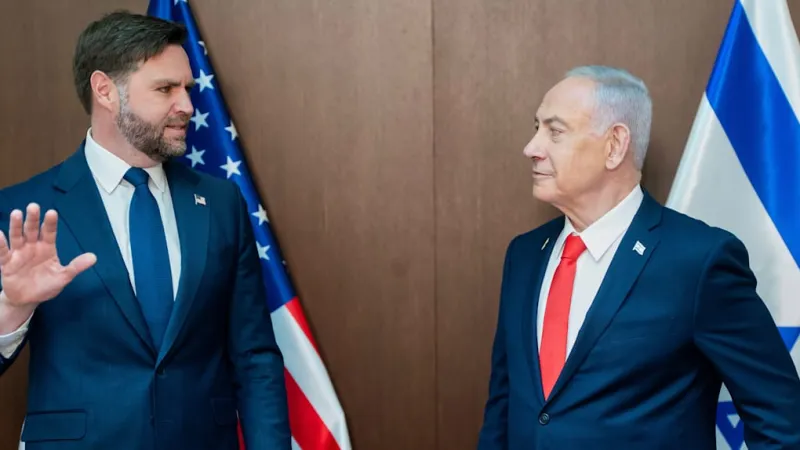
For Jerusalem, the midterm results represent a significant foreign policy challenge. Prime Minister Benjamin Netanyahu, a staunch ally of President Trump's robust approach to Iran, now faces uncertainty about the continuity and strength of US commitment to countering Iranian influence. Israel views a weakened US stance as directly jeopardizing its security interests in a volatile region.
President Trump's administration, having championed a firm stance against Iran through sanctions and military posturing, now navigates a more complex domestic political terrain. The outcome of the midterms, as detailed in reports like Trump Administration Suffers Major Legislative Setback, inevitably affects the White House's ability to pursue its foreign policy agenda without significant congressional headwinds.
Iran, historically adept at exploiting perceived divisions among its adversaries, might see this moment as an opportunity to push boundaries. Its nuclear ambitions, regional proxy networks, and ballistic missile program remain central to its foreign policy, often sparking international condemnation and escalating tensions.
A prominent foreign policy analyst, speaking on background, commented, "The temptation for Iran is indeed to misunderstand Trump's weakness and overplay its own hand. This is a critical period where miscalculation by any party could have severe consequences."
The relationship between Washington and Tehran has been fraught with tension, marked by periods of escalating rhetoric and military incidents. Recent actions, such as the US launch of a rapid Qeshm strike amid Iran's "Strongest Army" declaration, highlight the precarious balance of power and the constant threat of misjudgment.
Beyond Israel, other regional players, including Saudi Arabia and the United Arab Emirates, closely monitor these developments. A perceived shift in US power could prompt them to reassess their own strategies for regional security and deterrence against Iranian expansion.
The midterm elections not only altered the balance of power in Congress but also prompted a reevaluation within the White House. President Trump's subsequent actions, including reports of Trump Reshuffles Top Staff After Election Debacle and the elevation of Stephen Miller, indicate an administration adapting to new political realities, which could influence foreign policy approaches.
The existing US sanctions regime against Iran, a cornerstone of President Trump's maximum pressure campaign, aims to curb Tehran's ability to fund its regional ambitions. A perception of US weakness might challenge the efficacy of these sanctions, potentially leading Iran to seek new economic lifelines or disregard compliance more openly.
European powers, often advocating for a diplomatic resolution with Iran, may find their efforts complicated by the perceived instability in US policy. The delicate balance of the Joint Comprehensive Plan of Action (JCPOA), despite US withdrawal, remains a point of contention and potential leverage for future dialogue.
The coming months will rigorously test the diplomatic acumen of all parties involved. How President Trump navigates this post-midterm environment and how Iran responds to the perceived shifts in US strength will profoundly shape the trajectory of Middle East stability. The global community watches closely for signs of de-escalation or, conversely, a dangerous acceleration of regional tensions.