 Angel Doris
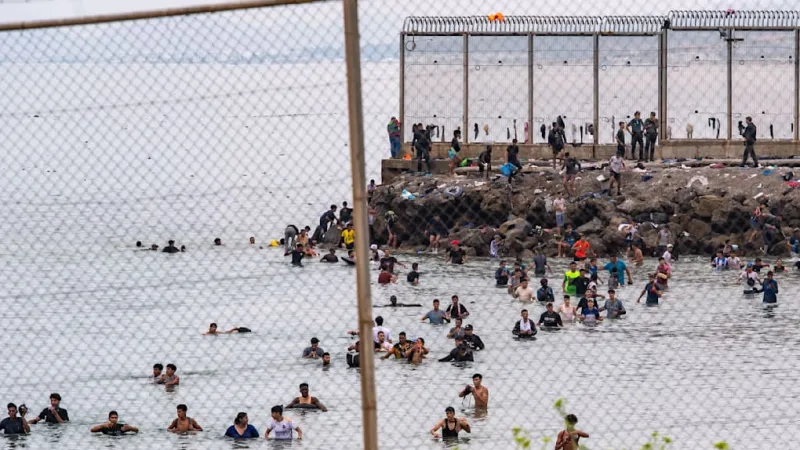
Ceuta — The vast majority of migrants who recently entered the Spanish North African enclave of Ceuta have since departed, but the political fallout continues to escalate as several European Union governments now accuse Spain of actively fostering conditions that encourage irregular migration. This development has sparked a contentious debate within the bloc, raising fundamental questions about border management and shared responsibility for migration flows.
The accusations come in the wake of an unprecedented surge that saw thousands of individuals, primarily from Morocco, cross into Ceuta in a short period. While Spanish authorities have largely processed and returned these individuals, the methods and circumstances surrounding their initial entry have drawn sharp criticism from some European capitals.
Multiple EU member states, notably Italy and Hungary, have voiced concerns that Spain's handling of its external border inadvertently created what they perceive as pull factors. These governments contend that Madrid's approach did not sufficiently deter the mass crossings, thereby potentially setting a problematic precedent for other border nations facing similar pressures.
This internal critique underscores the persistent divisions among EU members regarding migration policy, a complex issue that has strained solidarity for years. The current dispute over Ceuta reignites debates about the effectiveness of collective border defense mechanisms and the equitable distribution of migrant reception responsibilities.
For Spain, the accusations represent a significant diplomatic challenge. The government in Madrid has consistently defended its actions, emphasizing the humanitarian imperatives of the situation while asserting its sovereign right to manage its borders in accordance with international law. They also highlight the unique geographical and political challenges presented by the enclaves of Ceuta and Melilla.
The recent events in Ceuta have prompted urgent calls for high-level discussions within the EU. Leaders like Italian Prime Minister Giorgia Meloni have spearheaded demands for an emergency summit to address the broader migrant crisis, echoing sentiment from 2024 when Meloni and 21 EU leaders demanded a Ceuta summit, though Spanish Prime Minister Pedro Sanchez then rejected further border curbs.
Concerns about the integrity of the Schengen Area, Europe's passport-free travel zone, have also resurfaced. Some nations fear that unchecked migration at external borders could compromise the internal security and stability of the bloc, leading to renewed calls for stronger external border controls and more coordinated EU action. Indeed, the EU previously backed an urgent summit amid the migrant crisis, with Schengen integrity a primary concern.
The situation in Ceuta is not isolated. Spain's enclaves have long been flashpoints for irregular migration, serving as land routes into Europe from Africa. However, the scale and suddenness of the recent influx distinguished it from previous episodes, catching many observers and policymakers off guard. This historic pressure point has often led to unrest among Ceuta residents.
EU officials are currently engaged in extensive deliberations to determine the precise implications of the Ceuta migrant surge and to formulate a unified response. These discussions are expected to touch upon potential reforms to asylum procedures, enhanced support for frontline states, and robust measures to combat human trafficking networks.
The outcome of these high-level talks will be crucial for the future direction of EU migration policy. Achieving consensus among 27 member states, each with its own domestic political considerations and economic realities, remains a formidable challenge. The accusations against Spain highlight the deeply entrenched complexities and divergent national interests that often impede a cohesive European strategy.
While the immediate crisis of thousands of individuals at the border has largely subsided, the diplomatic rift it created underscores a persistent vulnerability within the EU's migration framework. The principle of shared responsibility, often invoked in Brussels, faces renewed scrutiny as member states increasingly prioritize national security and border integrity.
Ultimately, the Ceuta migrant surge and its aftermath serve as a stark reminder of the ongoing pressures on Europe's borders and the delicate balance between humanitarian obligations and sovereign control. The debate over Spain's role is symptomatic of a larger, unresolved question about how the EU can collectively manage migration while maintaining internal cohesion and external credibility.