 Angela Stefani
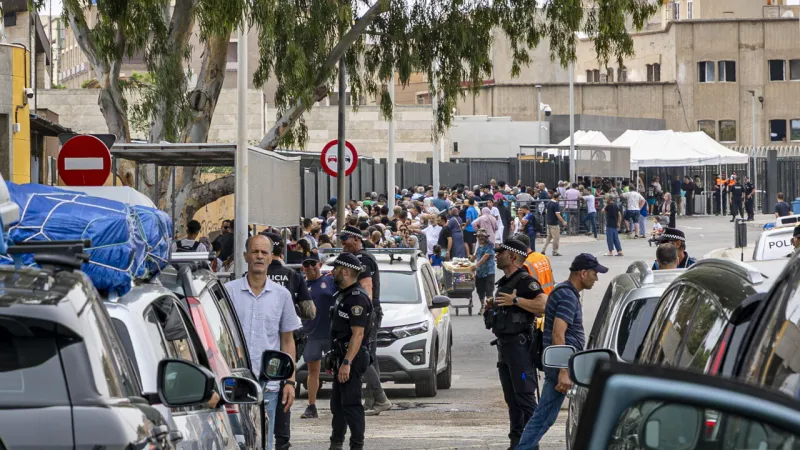
CEUTA, Spain – A palpable tension grips this Spanish enclave in North Africa as residents express growing fear amid a continuing influx of migrants, while an estimated 3,000 rejected youth remain hidden within the city's periphery. The delicate humanitarian situation has escalated, prompting makeshift barricades in some neighborhoods and exposing deep societal divisions over the crisis.
The volatile circumstances underscore the persistent challenges at Europes southern borders. While many residents barricade their homes and neighborhoods out of concern for security and resources, instances of compassion emerge, with some individuals offering shelter and aid to the distressed young migrants in private courtyards.
The crisis in Ceuta, a key gateway for irregular migration into Europe, reflects a broader regional challenge that has drawn the attention of European leaders. The Spanish government, under increasing pressure, continues to grapple with managing the significant number of individuals who attempt to cross into the enclave from Morocco.
These events are unfolding against a backdrop of intensified discussions across the European Union regarding migration policies and border security. European leaders have repeatedly called for concerted action to address the root causes of migration and enhance external border controls.
Indeed, the issue of border integrity and the future of the Schengen Area have become central themes in European political discourse. Leaders like Italian Prime Minister Giorgia Meloni have actively called for emergency EU migrant summits, underscoring the urgency of the situation. Relevant discussions include the article Meloni Leads Call for EU Migrant Summit; Sanchez Threatens Schengen.
Reports indicate that a significant portion of the migrants are unaccompanied minors or young adults, many of whom face uncertain futures if repatriated or left in limbo. The sheer volume of arrivals strains local resources, including housing, food, and social services, leading to friction with long-term residents.
The visible fear among Ceuta's established community members is rooted in concerns about public order, security, and the perceived breakdown of municipal services. These anxieties frequently manifest in public demonstrations and calls for stronger governmental intervention to restore stability.
Conversely, the anger among the rejected youth stems from their dire circumstances and dashed hopes for a better life in Europe. Many have undertaken perilous journeys, often enduring harsh conditions, only to find themselves in a precarious state of legal and social ambiguity.
Humanitarian organizations on the ground are stretched thin, striving to provide essential aid and advocate for humane treatment for all individuals, regardless of their migratory status. These groups highlight the immediate need for robust support mechanisms to prevent a further deterioration of the situation.
The ongoing tensions in Ceuta echo similar pressures experienced elsewhere along Europes external borders, emphasizing the multifaceted nature of the migration phenomenon. The crisis demands a nuanced response that balances national security interests with humanitarian imperatives, a challenge that continues to test the unity and resolve of the European bloc. The article EU Backs Urgent Summit Amid Migrant Crisis; Schengen Under Fire provides further context on the wider European concerns.
Spanish authorities, in coordination with Moroccan counterparts, are exploring various avenues to manage the flow of migrants and address the security concerns. However, the deeply entrenched humanitarian issues require sustained engagement and coordinated international efforts beyond immediate border enforcement measures.
The current year 2026 sees these debates intensifying, with political leaders across the continent seeking viable long-term strategies. The humanitarian crisis at the Ceuta border has become a recurring point of contention, leading to calls for more comprehensive European migration and asylum policies. Reports like Ceuta Border Erupts: Migrant Injured, Sea Deaths Mount Amid Tensions illustrate the severe consequences of these border events.
Local non-governmental organizations and community leaders have also appealed for increased mental health support for both residents and migrants, acknowledging the psychological toll this prolonged state of uncertainty and tension exacts on everyone involved. The trauma experienced by many of the young arrivals is a critical, often overlooked, aspect of the crisis.
As the situation remains fluid, the international community watches closely, recognizing that Ceuta represents a microcosm of the broader challenges confronting nations grappling with global migration trends. The path forward requires dialogue, collaboration, and a shared commitment to upholding human dignity while securing national borders.