Gabriella
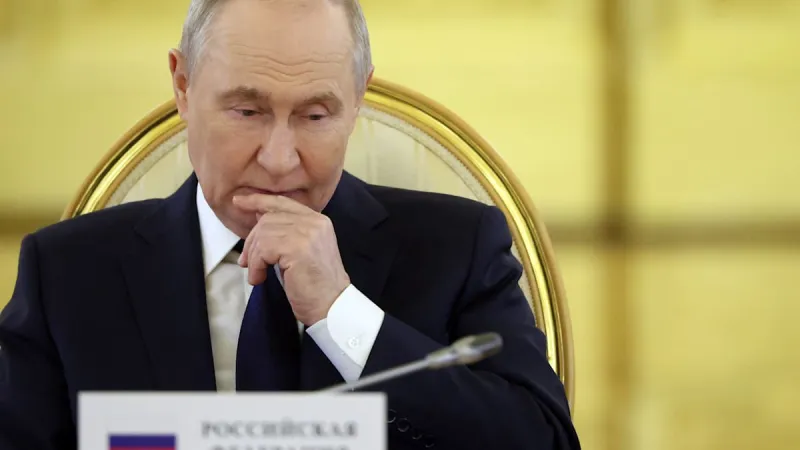
BERLIN – Germany's current strategy regarding an increasingly assertive and rearming Russia is severely hampered by what military historian Sören Neitzel describes as "fear and hesitation." In a recent interview, Neitzel critically assessed Berlin's defensive posture, emphasizing the urgent need for a decisive overhaul in response to evolving geopolitical realities.
Neitzel contends that while Russia demonstrably builds up its military capabilities, Germany's response remains insufficiently resolute. This perceived reluctance, he argues, could have significant long-term implications for European security and Germany's standing within NATO.
The historian highlighted a disconnect between the acknowledged threat from Moscow and the palpable reluctance within German political circles to implement robust counter-measures. This hesitance, he suggested, stems from a complex interplay of historical factors and a desire to avoid escalating tensions, which ironically may undermine deterrence.
Germany, a key economic and political power within the European Union, carries a substantial responsibility in shaping the collective defense of the continent. Neitzel's critique underscores growing concerns among defense analysts regarding the nation's capacity and willingness to meet its strategic obligations.
He stressed that mere acknowledgement of Russia's rearmament is insufficient. What is required, Neitzel asserted, are concrete actions and a clear strategic vision that moves beyond passive observation to active deterrence. This shift would entail a more robust investment in defense and a clearer articulation of Germany's red lines.
The current global landscape, marked by persistent geopolitical flux and heightened military posturing, necessitates a strong and unified Western front. Events such as continued international pressure on Moscow, exemplified by situations where Seoul Journalists Denounce Russia Over Japanese Reporter's Detention, illustrate the diverse challenges posed by Russia on the global stage.
Neitzel advocates for Germany to reassess its defense spending and military procurement processes. Historically, Germany has faced internal debates over defense budgets, with recent discussions on the German Budget Sparks Outcry reflecting ongoing national priorities that may sometimes overshadow military readiness.
Such financial commitments are critical, the historian explained, to modernize the Bundeswehr and ensure its interoperability with allied forces. A robust and well-equipped military not only enhances national security but also strengthens the collective defense capabilities of NATO.
The expert elaborated on the strategic necessity of developing credible deterrence capabilities. He noted that an effective deterrent is not merely about possessing military hardware, but also about demonstrating the political will to employ it if necessary, a perceived deficit in current German defense thinking.
Neitzel urged German policymakers to foster a more realistic understanding of the current security environment. He argued that clinging to outdated paradigms of engagement with Russia could compromise the security interests of Germany and its allies.
His perspective is part of a broader discourse among European defense strategists who advocate for greater strategic autonomy and increased defense spending across the continent. This conversation has gained renewed urgency as nations confront complex challenges ranging from cyber warfare to conventional military threats.
For Germany, overcoming the twin challenges of fear and hesitation means more than just procuring new weapons systems. It involves a fundamental re-evaluation of its defense culture and its role as a leading player in European security.
The criticism from Neitzel highlights a significant policy debate within Germany and among its NATO partners. As Russia continues its military modernization programs, the pressure on Berlin to adopt a more assertive and prepared stance will likely intensify.
Ultimately, Neitzel concluded, the onus is on Germany to demonstrate leadership in safeguarding European stability. This requires not only introspection but also bold, decisive action to secure its future in a rapidly changing world.