Gabriella
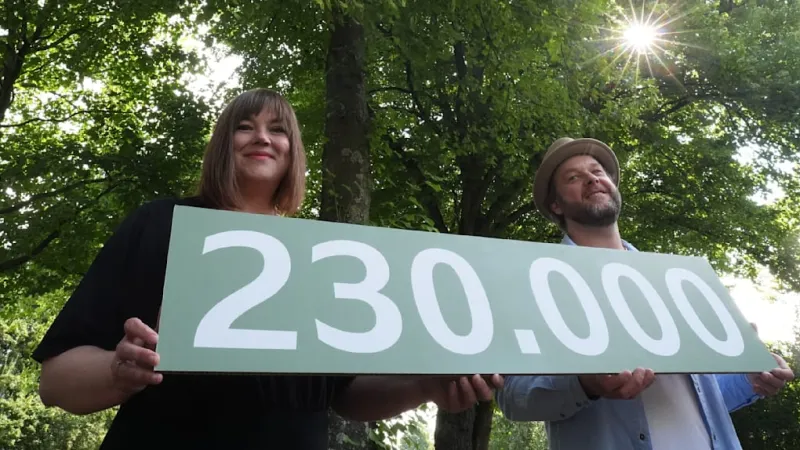
Hamburg, Germany, recently announced a significant milestone in its urban greening efforts, reporting more than 231,000 street trees within city limits for the first time. This burgeoning urban canopy, vital for the citys climate resilience and quality of life, simultaneously presents a growing financial burden as detailed in the latest tree balance report. The city finds itself balancing the invaluable ecological benefits of its green infrastructure with the escalating costs of its preservation.
These mature trees function as the citys natural green air conditioning, a critical asset in combating urban heat island effects and improving air quality. They provide shade, transpire moisture, and filter pollutants, offering indispensable environmental services to the densely populated metropolitan area.
The achievement of over 231,000 street trees marks a notable recovery and expansion of Hamburgs arboreal assets. This figure underscores a sustained commitment by the municipality to enhance its urban ecosystem despite various pressures, from construction to climate change.
Beyond their environmental contributions, street trees contribute significantly to the aesthetic appeal and livability of neighborhoods. They foster biodiversity, reduce stormwater runoff, and can even boost property values, making them integral to the citys overall urban fabric.
However, this growing green treasure comes with a substantial and increasing price tag. The recent tree balance report explicitly highlights that in an era of constrained public finances, the upkeep of these arboreal giants has become a major fiscal consideration for city planners and taxpayers alike.
Maintenance costs encompass a wide range of activities, including regular pruning, disease management, pest control, watering young trees, and emergency removal of storm-damaged or hazardous specimens. As trees mature, their needs often become more complex and expensive to address.
Older, larger trees, while offering the most significant environmental benefits, also require specialized care and maintenance. Their sheer size and age can lead to higher costs for inspection, safety checks, and professional arboricultural services, particularly in urban settings where infrastructure like power lines and sidewalks must be considered.
Climate change itself exacerbates these costs. Extended periods of drought necessitate increased watering regimes, while more frequent and intense storms lead to greater damage and the need for costly cleanup and replanting efforts. The long-term health of the urban forest requires proactive adaptation strategies.
Hamburgs municipal budget, like those of many global cities, operates under tight constraints. Allocating sufficient funds for urban tree maintenance competes with other essential public services, prompting difficult decisions for city officials balancing environmental stewardship with financial prudence.
Despite the immediate financial pressures, investing in the urban canopy represents a strategic long-term investment in public health, environmental sustainability, and quality of life. The ecological services provided by these trees far outweigh the costs of their maintenance over their lifespan.
City officials are likely exploring innovative funding models, partnerships with private entities, and community engagement programs to help sustain and expand Hamburgs green infrastructure. The goal remains to ensure the citys urban forest thrives without placing undue strain on public coffers.
Public awareness campaigns and volunteer efforts could play a crucial role in complementing municipal resources. Educating residents about the value of street trees and encouraging participation in their care might help distribute some of the responsibility and foster a stronger sense of communal ownership.