 Dorry Archiles
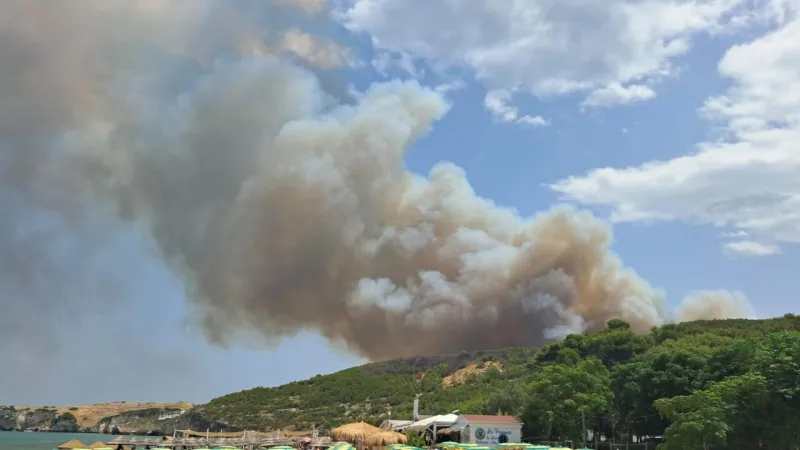
A rampant wildfire has forced the emergency evacuation of tourists from Italy's Gargano region, where strong winds are rapidly spreading flames through vast stretches of pine forest and Mediterranean scrub. The Italian Coast Guard swiftly deployed boats to rescue vacationers imperiled by the escalating blaze, underscoring the immediate threat to human life and the natural environment.
Local authorities reported the swift progression of the fire, which ignited in the pristine Gargano National Park. The mayor, whose name was not immediately released, stated, "Today's wind is fueling the blaze," highlighting the significant challenge faced by emergency responders in containing the conflagration.
The inferno has primarily consumed dense pine forests and the characteristic Mediterranean scrubland that defines the area's unique ecosystem. These highly flammable vegetations, combined with prevailing dry conditions common in the region, create a dangerous environment for rapid fire spread.
Tourists, many enjoying summer holidays along the Adriatic coast, found themselves suddenly cut off as roads became impassable and smoke engulfed popular coastal areas. The prompt response from the Coast Guard was critical, ferrying individuals to safety from beaches and small coves.
The Gargano peninsula, part of the Puglia region, is a cherished destination known for its rugged coastline, ancient forests, and protected natural reserves. The economic impact on the local tourism industry, a cornerstone of the regional economy, is anticipated to be substantial following this catastrophic event.
Wildfires have become an increasingly persistent threat across southern Europe, often exacerbated by prolonged periods of drought and extreme heat. The current incident in Gargano serves as another stark reminder of the vulnerability of Mediterranean ecosystems to climate change impacts.
Efforts to combat the blaze are complicated by the difficult terrain and the persistent strong winds, which can rapidly shift fire fronts and endanger firefighting crews. Ground teams are working in conjunction with aerial assets, including water-bombing planes and helicopters, to suppress the flames.
The widespread incidence of such fires across Europe has drawn international attention to forest management practices and the need for enhanced preventative measures. Similar challenges were recently observed with the Massive Gironde Wildfire that forced extensive evacuations and threatened Bordeaux.
Environmental experts warn that beyond the immediate destruction, wildfires of this magnitude can lead to long-term ecological damage, including soil erosion, loss of biodiversity, and increased risk of landslides during future rainfall events.
Investigations into the precise cause of the Gargano wildfire will commence once the blaze is brought under control. While some fires are naturally occurring, many are attributed to human activity, whether accidental or intentional, particularly during dry seasons.
Local residents and businesses are now bracing for the aftermath, with concerns extending to air quality and the long road to recovery and reforestation. The incident underscores the critical importance of emergency preparedness and rapid response systems in vulnerable regions.
The ongoing battle against the Gargano wildfire highlights the urgent need for a cohesive strategy to mitigate the risks posed by increasingly frequent and intense summer blazes across the continent, particularly in regions prone to extended periods of scorching heat and drought.