 Stefani Rindus

Europe is poised for a dramatic weather shift next week, with forecasters predicting the return of scorching temperatures across much of the continent. This impending heatwave, primarily driven by the arrival of a robust African anticyclone, follows a period of unseasonable rain, particularly impacting the weekend. The high-pressure system is expected to stabilize atmospheric conditions, ushering in clear skies and significantly elevated mercury readings.
The meteorological phenomenon, commonly referred to as the African anticyclone, originates over the Sahara Desert. It is characterized by a mass of extremely hot, dry air that moves northward, displacing cooler, wetter air masses that often bring precipitation to southern Europe. This particular system appears poised for a prolonged stay, suggesting an extended period of high temperatures.
Following a Sunday marked by widespread rainfall in many areas, including Italy, the transition is expected to commence early next week. The initial stages will see a gradual dissipation of cloud cover and a steady climb in temperatures, signaling the firm establishment of the anticyclone over the region. This rapid shift underscores the dynamic nature of atmospheric patterns influencing the continent.
Meteorological models indicate that the Mediterranean basin will be among the first and most significantly affected areas. Nations like Spain, France, and Greece, alongside Italy, are bracing for temperatures that could easily exceed 35 degrees Celsius (95 degrees Fahrenheit), with some localized areas potentially reaching even higher extremes. Central Europe may also experience a noticeable warming trend, albeit typically less severe than the southern reaches.
The arrival of the African anticyclone raises immediate concerns regarding public health. Authorities across affected countries are expected to issue warnings and advice, urging citizens to stay hydrated, avoid strenuous outdoor activities during peak daylight hours, and check on elderly or vulnerable neighbors. Heat-related illnesses, from exhaustion to heatstroke, become a significant risk under such conditions.
Beyond immediate health impacts, extended periods of intense heat invariably strain infrastructure. Energy grids face increased demand from air conditioning usage, potentially leading to power outages. Water resources can also come under pressure, prompting calls for conservation efforts in areas already susceptible to drought conditions.
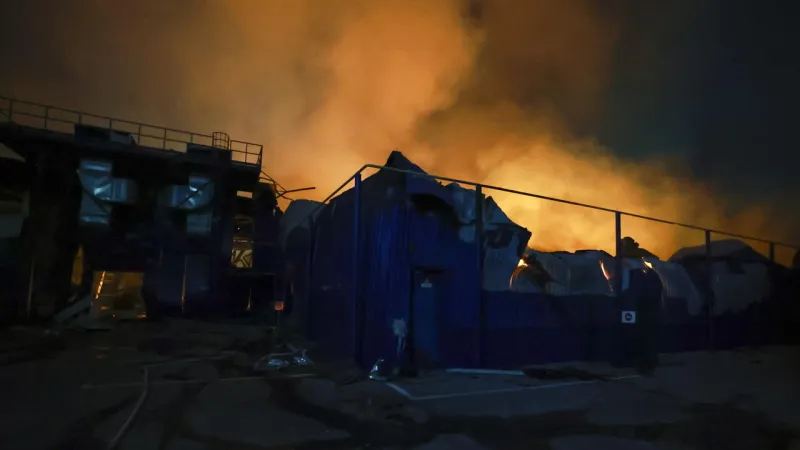
Of particular concern is the heightened risk of wildfires, an issue that has plagued European nations in recent years. Intense heat, coupled with dry vegetation, creates a combustible environment ripe for rapid fire spread. Reports from previous years, such as Wildfires Engulf France and Spain, Nearly 300,000 Flee Inferno and Southern France Wildfires Shorten Tour De France Final Stage, highlight the devastating potential of such events on both natural landscapes and human communities. Emergency services are likely to be on high alert.
Agricultural sectors also face considerable challenges. Crops can suffer from heat stress and water scarcity, impacting yields and potentially driving up food prices. Livestock welfare becomes a critical consideration for farmers, requiring additional measures to mitigate the effects of extreme temperatures.
While the African anticyclone is a recurrent seasonal phenomenon, climate scientists note a discernible trend towards more frequent, more intense, and longer-lasting heatwaves in Europe. This pattern aligns with broader global warming projections, raising questions about long-term adaptation strategies for the continent.
Government agencies and emergency response teams are coordinating preparations, aiming to minimize the potential disruptions and hazards posed by the upcoming heatwave. Public information campaigns are anticipated to ensure residents are well-informed and prepared for the challenging conditions ahead.
The current forecast suggests the anticyclone will maintain its dominance for at least several days, if not longer, into the following week. While specific end dates remain fluid, a gradual weakening or shift of the high-pressure system would be required to bring about a significant return to more moderate temperatures. Until then, Europe must prepare to contend with the re-emergence of summer's full intensity.