 Dodi Irawan
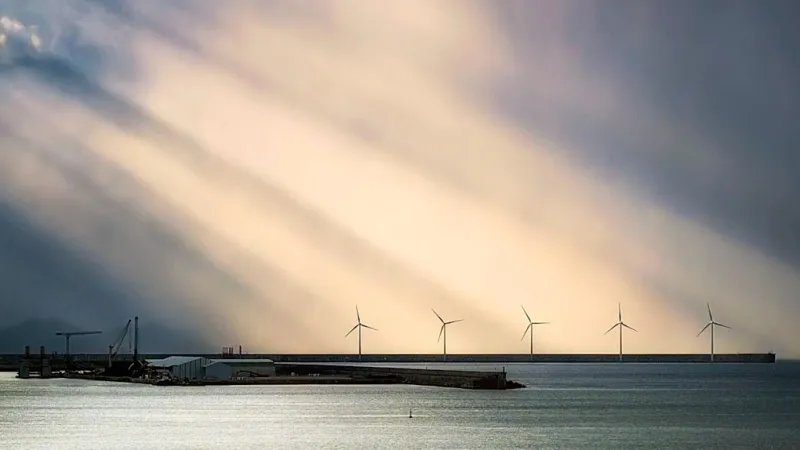
Germany is at the forefront of a potential energy revolution, with researchers unveiling a novel battery technology poised to resolve the nation's persistent "Dunkelflauten"—periods of low wind and solar power output. This innovative development challenges the prevailing view that new gas power plants are indispensable for energy security, offering a cleaner, more sustainable path forward.
The concept of "Dunkelflauten," or dark lulls, represents a significant hurdle for countries aggressively pursuing renewable energy agendas. These extended periods, characterized by minimal sunlight and wind, expose grid vulnerabilities and necessitate reliable backup power sources, traditionally fossil fuel-based generation.
For years, a contentious debate has gripped Germany's energy sector: can advanced battery systems truly obviate the need for constructing new natural gas power plants? Proponents of gas argue its reliability is unmatched during these lulls, while environmental advocates champion scalable energy storage.
Until now, the widespread adoption of large-scale battery storage, primarily lithium-ion technology, has faced substantial obstacles. Concerns surrounding raw material shortages, particularly for critical minerals, have driven up costs and raised geopolitical supply chain issues.
Beyond economics, technical limitations of existing battery solutions also pose challenges. Factors such as energy density, cycle life, and the ability to discharge reliably over extended periods—crucial for mitigating multi-day Dunkelflauten—have historically favored conventional power generation.
However, recent advancements from German research labs introduce a fundamentally new battery technology. While specifics remain proprietary, initial reports indicate it addresses the core deficiencies of lithium-ion systems, promising enhanced energy capacity, longer discharge durations, and a significantly reduced reliance on scarce raw materials.
This new development aims to move beyond the current deadlock in energy policy, where the push for green energy often collides with grid stability concerns. By offering a viable alternative to gas peaker plants, the technology could accelerate Germany's transition away from fossil fuels without compromising national energy supply.
Should this new battery technology prove scalable and cost-effective, its economic implications would be profound. Reduced dependence on imported fossil fuels would bolster energy independence, while significantly lowering carbon emissions, aligning with ambitious climate targets.
The success of this German innovation extends far beyond national borders. Nations worldwide grappling with similar renewable integration challenges, particularly those with fluctuating solar and wind resources, are closely observing these developments as a potential blueprint for their own energy transitions.
While promising, the path to widespread deployment involves rigorous testing, industrial-scale production, and careful integration into existing grid infrastructure. Energy experts emphasize that while the technology presents a significant leap, it will require strategic investment and policy support to fully realize its potential.
"This new class of battery could fundamentally alter the equation for grid planners," stated Dr. Lena Schmidt, a leading energy systems analyst at the Fraunhofer Institute. "It moves us closer to a future where renewable energy is not just dominant, but also inherently reliable, even during the most challenging weather conditions."
The implications for energy policy are substantial. If proven viable, the new battery technology could weaken arguments for new fossil fuel infrastructure, potentially shifting investment priorities towards enhanced storage and smart grid solutions. This could simplify permitting processes and reduce public opposition to energy projects.
Unlike some current battery chemistries, the new German innovation reportedly utilizes more abundant and less geopolitically sensitive materials. This focus on domestic or readily available resources could help stabilize supply chains and reduce market volatility associated with critical raw material pricing.
Venture capitalists and industrial giants are reportedly scrutinizing the technology, recognizing the immense market potential for a reliable, scalable solution to renewable energy storage. Early stage funding has already begun flowing into relevant research and development initiatives.
The vision is a future where periods of low solar and wind generation no longer equate to a scramble for backup power. Instead, energy stored efficiently and economically during surplus periods could seamlessly fill the gaps, creating a truly resilient and green energy system.
This move towards advanced energy storage directly addresses concerns about grid fragility, a topic gaining increasing attention as societies grow more reliant on digital infrastructure. Such robust solutions mitigate risks associated with sudden power fluctuations or outages.
This German advancement represents more than just an incremental improvement; it signifies a potential paradigm shift in how industrialized nations manage their renewable energy assets. It offers a tangible response to the intermittency critique that has long plagued green energy advocates.
International collaboration may be key to scaling this technology quickly. Sharing research, development, and manufacturing expertise could accelerate its global impact, transforming energy landscapes far beyond Germany.