 Robert Andrison
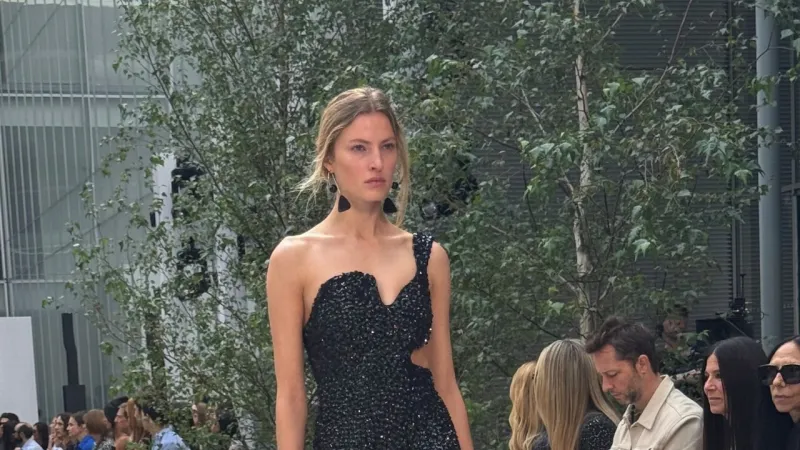
New York City is currently witnessing a significant cultural convergence as prominent American luxury fashion houses redefine their presence, intertwining their latest expressions with the worlds of art and historical grandeur. Michael Kors presented his vision at the Museum of Modern Art, while Tommy Hilfiger returned to the iconic Plaza Hotel. Simultaneously, Ralph Lauren captivated audiences with a romantic and irreverent narrative, collectively underscoring a sophisticated evolution in brand presentation and engagement.
Michael Kors leveraged the venerable halls of the Museum of Modern Art, an institution synonymous with modernism and avant-garde creativity. This strategic choice positioned his collection within a dialogue alongside masterpieces by artists such as Henri Matisse, suggesting an exploration of form, color, and timeless elegance that transcends transient trends. The MoMA setting amplified the artistic underpinnings of his luxury fashion designs, inviting a deeper appreciation for craft and conceptual continuity.
The decision to showcase within a revered art space highlights a growing inclination among luxury brands to align themselves with high culture. Such venues lend an intellectual gravitas to fashion presentations, shifting the focus beyond mere commercial display to a celebration of design as a legitimate art form. This approach caters to an increasingly discerning global clientele seeking experiences that offer both aesthetic pleasure and intellectual stimulation.
Concurrently, Tommy Hilfiger made a symbolic return to The Plaza Hotel, an emblem of classic American luxury and sophistication. This choice evoked a sense of heritage and continuity, bringing his signature preppy aesthetic back to a locale deeply embedded in the nations cultural consciousness. The Plaza, with its opulent architecture and storied past, provided a theatrical backdrop that reinforced the enduring appeal of Hilfigers brand identity, celebrating its rich legacy and influence on American style.
Hilfigers event at The Plaza was more than a runway show; it was a deliberate embrace of his foundational design principles, presenting them within an environment that echoes the very lifestyle his brand often embodies. This nostalgic yet forward-looking presentation emphasized the cyclical nature of fashion, where established codes are reinterpreted for contemporary relevance. The juxtaposition of historical grandeur with modern interpretations served to solidify the brands enduring market position in luxury fashion.
Adding another dimension to this dynamic period, Ralph Lauren continued to champion his distinct brand of American luxury, presenting a collection described by observers as romantic and irreverent. This thematic approach suggests a blending of traditional elegance with unexpected twists, reflecting a playful yet refined spirit. Ralph Lauren has consistently excelled at crafting immersive brand narratives, and this latest iteration reaffirms his mastery in creating a world where classic styles meet contemporary sensibilities.
The collective impact of these high-profile presentations by Kors, Hilfiger, and Lauren signals a broader trend in the luxury fashion landscape. Brands are increasingly moving beyond conventional runway formats, seeking to create immersive, multi-sensory experiences that resonate deeply with consumers. These events are designed to communicate brand values, heritage, and artistic vision in ways that traditional marketing campaigns often cannot achieve.
New York City, as a global fashion capital, remains a pivotal stage for such innovations. These events not only showcase new collections but also reinforce the citys role as a nexus where commerce, culture, and creativity converge. The strategic choice of venues and thematic narratives serves to captivate both industry insiders and the wider public, generating significant media attention and cultural discourse around luxury fashion.
This approach also underscores a strategic pivot towards experiential marketing, where the narrative and emotional connection become as crucial as the garments themselves. By aligning with institutions like MoMA or iconic landmarks like The Plaza, designers aim to elevate their brand perception, demonstrating a commitment to artistic integrity and cultural stewardship. This transcends the transactional, fostering a deeper, more meaningful relationship with consumers.
The integration of art and heritage into luxury fashion presentations is not merely an aesthetic choice but a shrewd business strategy. It allows brands to differentiate themselves in a highly competitive market, appealing to consumers who prioritize authenticity, storytelling, and cultural relevance. As the fashion industry continues to evolve, these innovative presentation styles set a new benchmark for engagement and influence.
These carefully curated spectacles offer a potent reminder of American designers enduring influence on the global stage. Michael Kors, Tommy Hilfiger, and Ralph Lauren, each with their unique aesthetic and brand philosophy, contribute significantly to shaping current trends and defining the future trajectory of luxury fashion. Their ability to consistently reinvent and reconnect with their core identity, while embracing new modes of expression, ensures their lasting relevance.
In an era of rapid digital transformation, the emphasis on physical experiences and tangible connections to culture provides a vital counterpoint. The curated environments at MoMA and The Plaza offered attendees a moment of immersion, allowing them to experience the collections in a context that enriched their appreciation for the craftsmanship and artistic vision inherent in each design. This strategic blend of past and present, art and commerce, epitomizes the dynamic spirit of contemporary luxury.