 Dodi Irawan
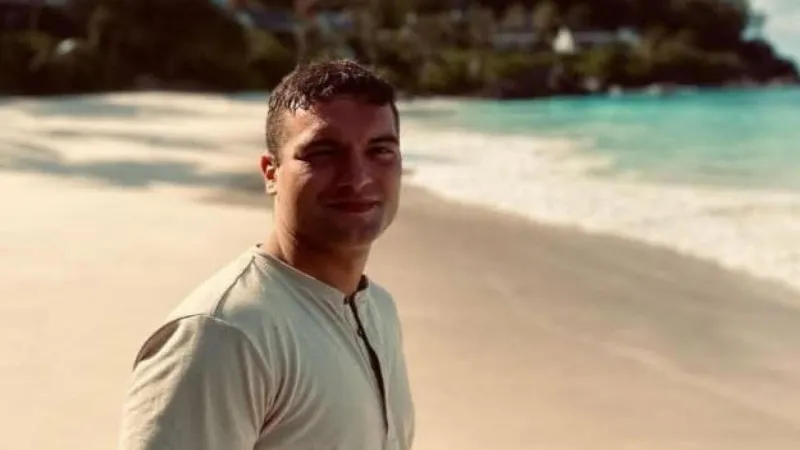
The Roman Prosecutor's Office has launched a judicial inquiry into the death of 28-year-old Samuele Spinelli, a Florentine man who died in Barcelona following a police detention. This investigation comes as Spinelli's family vehemently disputes the initial medical findings of an overdose, alleging the presence of multiple abrasions on his body.
Spinelli, a native of Florence, was reportedly in a state of agitation when he was taken into custody by local police in the Spanish city. The precise circumstances leading to his detention remain a central focus of the nascent Italian probe.
Initial reports from Barcelona medical authorities attributed Spinelli's death to an overdose. These findings, however, directly conflict with the family's observations made upon viewing their son's body.
"There were signs of excoriations on his wrists, his back, and under his chin," a family representative stated, challenging the narrative that an overdose was the sole or primary factor in the young man's demise. These visible marks have fueled the family's insistence on a thorough and impartial review of the incident.
The intervention of the Roman Prosecutor's Office underscores the gravity of the situation and the international implications of a citizen's death abroad under contentious circumstances. Italian authorities possess extraterritorial jurisdiction to investigate crimes committed against their citizens overseas, especially when the cause of death is disputed.
Investigators in Rome are expected to formally request all pertinent documentation from their Spanish counterparts. This comprehensive request will include police reports detailing the arrest, witness statements, the full autopsy report, and any forensic evidence collected at the scene or during the initial medical examination.
This step forms a critical first stage in determining whether a separate Italian autopsy or further independent forensic analysis will be required. Such examinations are frequently sought when significant discrepancies emerge between official findings and family observations, or when suspicion of foul play arises.
The family's legal counsel is preparing to formally present their findings and concerns to the Roman judicial authorities. Their primary aim is to ascertain whether the police interaction, the period of detention, or any other external factor played a direct or indirect role in Spinelli's death.
This intricate case highlights the inherent complexities of international legal cooperation, particularly when the details surrounding a death in custody are contested across national borders. The principles of due process and police accountability remain paramount for human rights advocates globally.
Spanish law enforcement agencies are anticipated to cooperate fully with the Italian inquiry, providing the necessary information to ensure transparency and facilitate justice. This collaboration represents standard practice in such cross-border investigations, aiming to uphold judicial integrity and international legal norms.
The ultimate goal of the Roman Prosecutor's investigation is to establish the precise sequence of events leading to Samuele Spinelli's death and to determine if any criminal culpability exists. The Italian judiciary aims to move beyond the initial medical assessment to provide clarity and justice for the grieving family.
The legal process is likely to be protracted, involving diplomatic channels and meticulous evidence review. This underscores the commitment of Italian authorities to protect their citizens, even when incidents occur on foreign soil.