 Dodi Irawan
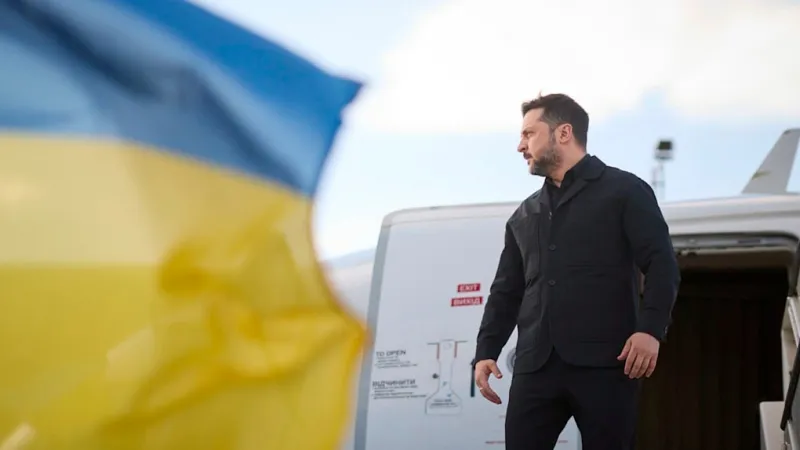
Ukrainian President Volodymyr Zelenskyy has voiced grave concerns over intelligence suggesting North Korea may deploy up to 50,000 soldiers to aid Russia's ongoing military efforts. This alarming figure represents a substantial increase from previous estimates of 30,000 North Korean troops, signaling a deepening strategic alliance between Pyongyang and Moscow. In response, Kyiv is actively seeking closer military and diplomatic cooperation with South Korea.
Zelenskyy's latest assessment, shared publicly, underscores the perceived escalation in North Korean military aid to Russia. The potential deployment of such a large contingent of foreign fighters could significantly alter dynamics on the Ukrainian front, providing Russia with a much-needed boost in manpower.
The initial intelligence had indicated a possible deployment of 30,000 soldiers, a number already considered a serious concern by international observers. The revised, higher figure of up to 50,000 troops points to an intensified commitment from Kim Jong Un's regime to support the Kremlin's objectives in Ukraine.
Analysts suggest that the North Korean military, while not equipped with the most modern weaponry, possesses a vast reserve of personnel accustomed to strict discipline and demanding conditions. Their deployment could free up Russian forces for other strategic maneuvers or bolster defensive lines.
This potential influx of North Korean soldiers is viewed by Ukraine as a blatant violation of international sanctions against Pyongyang and a direct challenge to global stability. The move highlights the critical need for a unified international response to such illicit military cooperation.
President Zelenskyy explicitly articulated his hope for enhanced collaboration with South Korea, a nation with advanced military capabilities and a vested interest in regional stability. This diplomatic overture aims to garner more robust support for Ukraine and potentially deter further aggression from North Korea.
Seoul has historically maintained a cautious but firm stance against North Korea's nuclear and ballistic missile programs. A closer alliance with Ukraine could involve increased humanitarian aid, defensive military assistance, or intelligence sharing to counter the Pyongyang-Moscow axis.
The broader geopolitical implications of this development are profound. It solidifies a dangerous partnership between two isolationist states, both facing international sanctions, and complicates efforts to resolve the conflict in Ukraine peacefully. Global leaders, including Pope Renews Urgent Peace Appeal for Ukraine, Russia, have repeatedly called for de-escalation.
The nature of the anticipated North Korean contribution remains a subject of intense speculation. Whether these troops would serve in combat roles, logistics, or reconstruction efforts is unclear, but even non-combat support would free up Russian personnel for frontline duties.
The international community, particularly the United States and its allies, will be closely monitoring any confirmed movements of North Korean forces. Such a deployment would necessitate a reassessment of existing sanctions and potentially trigger new punitive measures against both Russia and North Korea.
For Ukraine, bolstering its alliances and securing additional defensive capabilities becomes even more paramount. The prospect of facing a combined force potentially supplemented by tens of thousands of North Korean soldiers adds another layer of complexity to an already brutal and protracted conflict.
As the situation evolves, the coming weeks will likely reveal the extent of North Korea's commitment and the international community's coordinated response to this significant, and potentially destabilizing, military development.