Gabriella
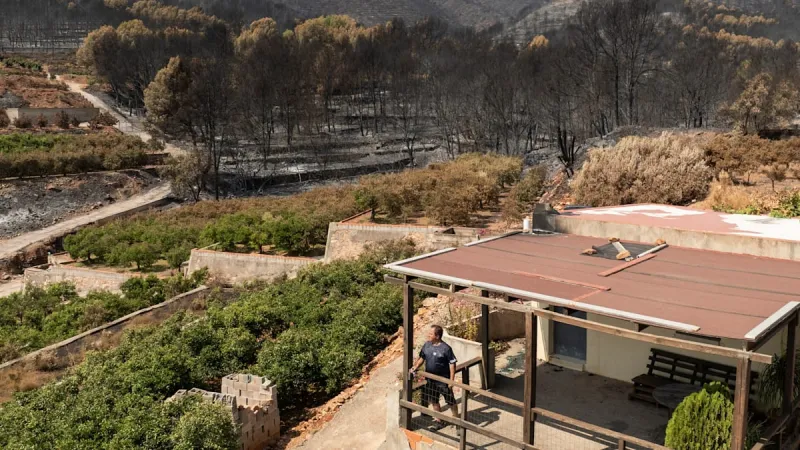
MADRID – A severe new heatwave gripping Spain has dramatically escalated the nation's ongoing wildfire crisis, compelling the evacuation of 80,000 residents and creating a volatile environment where authorities now report a significant increase in organized looting targeting abandoned properties. The dual threat of natural disaster and criminal exploitation is taxing emergency services and local communities.
The intense temperatures, which have fueled blazes across several regions, have forced tens of thousands to flee their homes, leaving entire towns and villages deserted. This mass displacement, intended to ensure public safety, has inadvertently opened a window of opportunity for criminal elements to exploit the vulnerability of evacuated areas.
Miguel Gutierrez Posada, a concerned observer of the unfolding situation, stated, "We must, unfortunately, speak of organized crime." His remarks underscore the growing concern that the surge in property invasions is not merely opportunistic individual acts but coordinated efforts by criminal groups taking advantage of the chaos.
The scale of the looting is significant, with reports indicating numerous homes have been ransacked. These incidents add a harrowing dimension to the plight of those displaced, who already face uncertainty about their futures and the state of their properties. Returning homeowners often find their belongings stolen and homes damaged.
Emergency responders, already stretched thin battling the relentless infernos, must now also contend with securing vast evacuated zones against criminal incursions. This allocation of resources further complicates the already arduous task of containing the wildfires and protecting human lives.
This heatwave, characterized by exceptionally high temperatures and dry conditions, provides an ideal tinderbox for wildfires to ignite and spread rapidly. This phenomenon is becoming increasingly common across Southern Europe, as evidenced by Germany Braces for Scorching 40-Degree Heatwave As Southwest Bakes.
Local law enforcement agencies are grappling with the immense challenge of patrolling extensive evacuated areas. The sheer volume of deserted residential and commercial buildings makes comprehensive protection a monumental undertaking, often requiring military support in some regions.
The psychological toll on evacuees is immense. Beyond the immediate danger of the fires, the fear of losing their homes to theft compounds their distress. Many residents express anguish over leaving behind cherished possessions, knowing they could fall victim to organized plunder.
Authorities are urging residents in areas under evacuation orders to take all necessary precautions to secure their properties before departing, though the speed of some evacuations often leaves little time for such measures. Patrols have been increased where possible, but the vastness of affected regions presents an intractable challenge.
The Spanish government is reportedly coordinating efforts to bolster security presence in affected areas, alongside the ongoing firefighting operations. Discussions are underway to evaluate long-term strategies for protecting communities during future climate-induced crises, acknowledging the evolving nature of these disasters.
This crisis highlights the complex interplay between climate change, natural disasters, and societal vulnerabilities. As extreme weather events become more frequent, nations worldwide face growing challenges in protecting their populations not only from environmental threats but also from the subsequent ripple effects of lawlessness.
The international community watches closely as Spain navigates this multifaceted crisis, with offers of support being extended for both humanitarian aid and firefighting assistance. The priority remains saving lives and containing the fires, but the issue of safeguarding property against organized crime in disaster zones is rapidly gaining prominence.