 Demian Sahputra
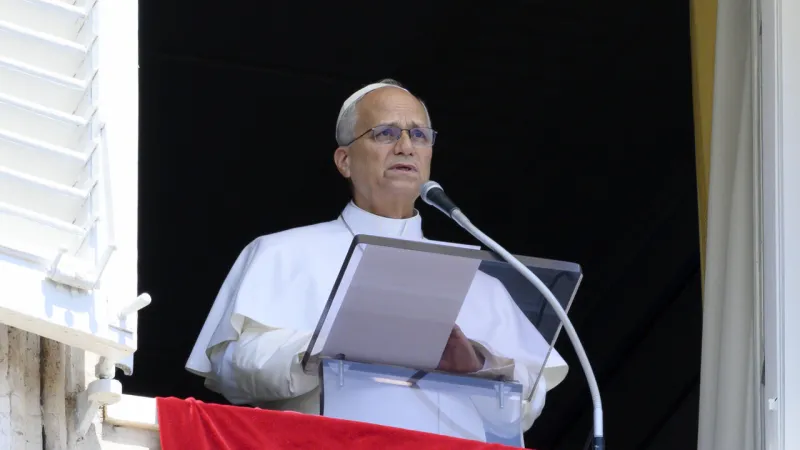
VATICAN CITY – Pope Francis has issued a renewed and fervent appeal for an immediate cessation of violence in Ukraine and Russia, underscoring the indispensable role of diplomacy in forging a path to lasting peace. This impassioned plea coincides with the Vatican’s diligent preparations for a significant diplomatic initiative, set to involve key papal emissaries in Moscow.
The planned mission will see two prominent figures from the Holy See leading the charge: Archbishop Paul Richard Gallagher, Secretary for Relations with States, and Cardinal Matteo Zuppi, Archbishop of Bologna and Pope Francis special peace envoy for the conflict. Their impending visit to Moscow aims to open new channels for dialogue and explore avenues for de-escalation, building upon previous efforts.
The Roman Pontiff has consistently voiced profound concern over the humanitarian catastrophe unfolding in the region. His appeals frequently stress the moral imperative to protect civilian lives and to uphold international law, urging leaders to prioritize human dignity over geopolitical ambitions.
The ongoing conflict has devastated communities, displaced millions, and claimed countless lives, with hostilities showing little sign of abating. Cities like Odesa and Kharkiv have endured relentless nighttime assaults, prompting the pontiff to previously plead for peace amidst the escalating violence, as detailed in an article titled Pontiff Pleads for Peace As Odesa, Kharkiv Endure Nighttime Assaults.
Cardinal Zuppis role as a peace envoy is not new. He has previously undertaken sensitive diplomatic visits, traveling to Kyiv, Washington D.C., and Beijing in an attempt to foster understanding and lay groundwork for a humanitarian initiative, particularly concerning the repatriation of Ukrainian children.
These diplomatic endeavors face formidable challenges, given the entrenched positions of the warring parties and the complex web of international alliances. Skepticism remains about the immediate prospects for a comprehensive peace agreement, yet the Vatican continues to advocate for dialogue as the only viable long-term solution.
The Vatican, operating from a unique position of moral authority and perceived neutrality, often serves as a discreet facilitator in international conflicts. Its diplomatic efforts, though sometimes slow, are rooted in a long history of advocating for human rights and religious freedom globally.
International observers and various global leaders have largely welcomed the Vatican's persistent calls for peace, recognizing the potential influence of the Holy See in opening channels where traditional political avenues remain closed. Many view these initiatives as crucial, even if incremental.
The conflict has significant ramifications beyond Eastern Europe, impacting global energy markets, food security, and international relations. The Vatican's sustained engagement underscores the widespread desire for a resolution that can restore stability and prevent further humanitarian crises.
The phrase space for diplomacy, highlighted in the Vatican's latest statements, encapsulates the underlying principle guiding these efforts. It is a recognition that genuine peace negotiations require an environment free from immediate hostilities, where dialogue can flourish without the pressure of ongoing violence.
Pope Francis has often articulated a vision of peace that extends beyond mere absence of war, advocating for justice, reconciliation, and fraternity among nations. His encyclicals and addresses frequently emphasize these tenets as foundational for enduring global harmony.
Details surrounding the specific agenda for Archbishop Gallagher and Cardinal Zuppis visit to Moscow remain tightly guarded, typical of high-level diplomatic endeavors. However, it is anticipated that discussions will center on humanitarian corridors, prisoner exchanges, and potential frameworks for future peace talks.
While the path to peace is arduous and fraught with obstacles, the Vatican's continued engagement offers a glimmer of hope. The Holy See remains steadfast in its belief that even in the darkest hours of conflict, the power of dialogue and reconciliation can ultimately prevail.