 Dodi Irawan
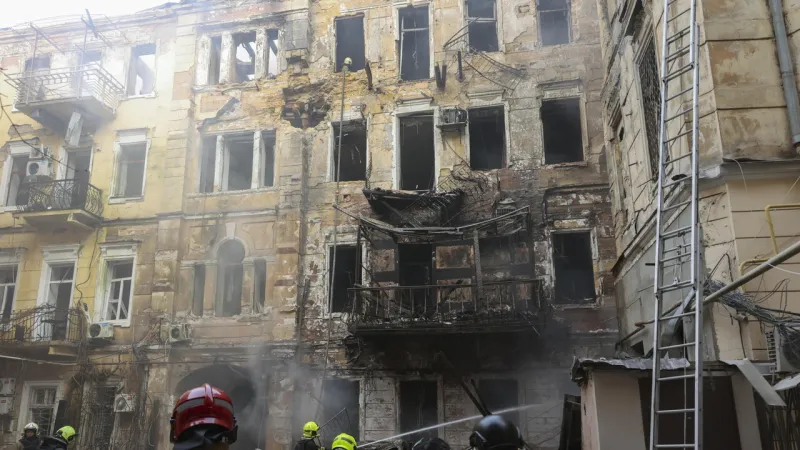
Odesa and Kharkiv, two major Ukrainian cities, endured a punishing barrage of overnight missile and drone strikes, igniting renewed international condemnation and a fervent plea for peace from Pope Leo XIV. These assaults, which resulted in additional civilian casualties, coincided with Ukrainian drone attacks that injured 13 people, including two children, in Russia's Belgorod region, intensifying the volatile cross-border conflict. Amid these fresh hostilities, Germany revealed it has expelled 400 Russian nationals since the onset of the wider war.
Speaking at his Angelus address from Vatican City, Pope Leo XIV passionately decried the ongoing suffering, stating, "Still civilian victims, humanitarian law must be respected." His Holiness emphasized the urgent need for all parties to prioritize human life and adhere to international statutes designed to protect non-combatants in times of conflict.
The pontiff's words underscore the escalating humanitarian crisis plaguing Ukraine, where infrastructure and residential areas frequently become targets. International aid organizations continue to report widespread displacement and acute shortages of essential resources in conflict zones.
Reports from Odesa and Kharkiv indicate significant damage following the nighttime bombardments. While specific casualty figures are still emerging, authorities confirmed the presence of civilian victims, reinforcing the Pope's appeal for restraint and adherence to humanitarian principles.
Across the border, Russia's Belgorod region bore the brunt of Ukrainian drone incursions. The Ministry of Emergency Situations reported that the attacks resulted in 13 injured individuals, a grim figure that included two minors, highlighting the reciprocal nature of the current hostilities.
The simultaneous nature of these attacks – major Ukrainian cities under fire while Russian territory faces drone strikes – signals a dangerous pattern of escalation. Analysts suggest these actions perpetuate a cycle of violence, making pathways to de-escalation increasingly challenging.
Separately, German authorities disclosed that 400 Russian citizens have been expelled from the country since the full-scale invasion of Ukraine commenced. This measure reflects broader European efforts to respond to the conflict through diplomatic and punitive actions, though specific reasons for the expulsions were not detailed in the initial report.
The Pope's call for diplomacy echoes a sentiment widely shared by the international community, yet substantive peace negotiations remain elusive. Both sides continue to assert maximalist positions, making a mutually acceptable resolution appear distant as the conflict protracts.
The repeated targeting of civilian infrastructure and the resulting casualties raise critical questions about compliance with international humanitarian law. Advocates for peace stress that all combatants bear responsibility for protecting non-combatants and ensuring access to humanitarian aid.
The ongoing war in Ukraine continues to reverberate globally, impacting energy markets, food security, and international relations. The conflict's far-reaching consequences necessitate sustained diplomatic pressure and multilateral efforts to achieve a just and lasting peace.
This recent assault on Odesa and Kharkiv follows a pattern of strikes that have impacted Ukrainian port cities and urban centers since the initial invasion. For instance, recent reports detailed how Odesa Sustains Russian Assault; Ukrainian Drones Injure 13 in Belgorod, demonstrating the persistent danger faced by these regions.
With no immediate resolution in sight, the focus remains on diplomatic avenues that could potentially lead to a ceasefire and a framework for peace. However, given the current military posture of both sides and the deep-seated grievances, such a breakthrough seems a formidable challenge.