 Robert Andrison
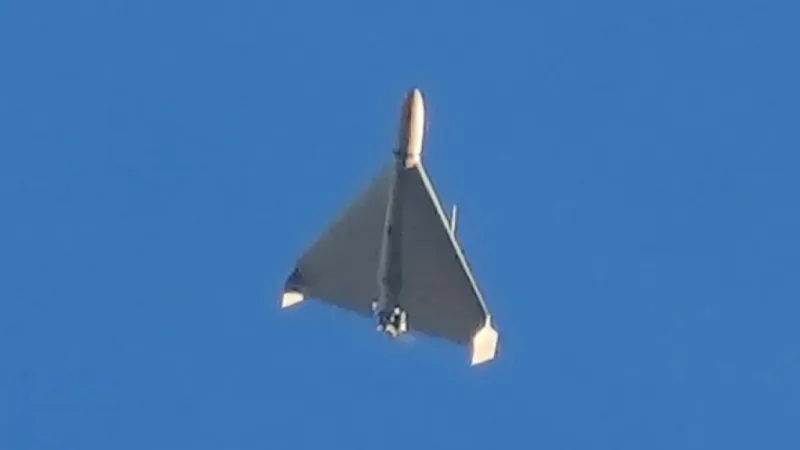
BUCHAREST, Romania – A NATO jet intercepted an unmanned aerial vehicle that had penetrated Romanian airspace today, amidst intensifying cross-border hostilities between Russia and Ukraine. Concurrently, Moscow’s mayor reported a massive assault by approximately 600 Ukrainian drones on the Russian capital, while Kyiv itself endured a fresh barrage of Russian ballistic missile attacks.
The incident involving the unmanned aerial vehicle over Romania marks a significant escalation, bringing the conflict directly to the doorstep of a NATO member nation. Details regarding the drones origin, trajectory, and intended purpose remain under investigation, but its presence in sovereign Romanian airspace prompted an immediate and decisive response from NATO air defenses.
Defense officials in Bucharest confirmed that the NATO asset successfully neutralized the intrusive drone without further incident or damage. This rapid intervention underscores the alliance's vigilant posture along its eastern flank, particularly given the ongoing regional instability. The event highlights the inherent risks of aerial incursions in an active conflict zone.
Further east, Moscow Mayor Sergei Sobyanin issued an urgent statement detailing an alleged large-scale Ukrainian drone attack targeting the Russian capital. He asserted that hundreds of unmanned aerial vehicles, estimated at around 600, were involved in the coordinated assault, though specific impact locations or significant damage reports were initially scarce. Russian air defense systems reportedly engaged the incoming swarm.
This claim, if substantiated, would represent one of the largest single drone attacks on Moscow since the full-scale invasion began, signaling a potential shift in Ukrainian strategy to bring the conflict deeper into Russian territory. Such attacks aim to disrupt critical infrastructure and undermine public morale within Russia.
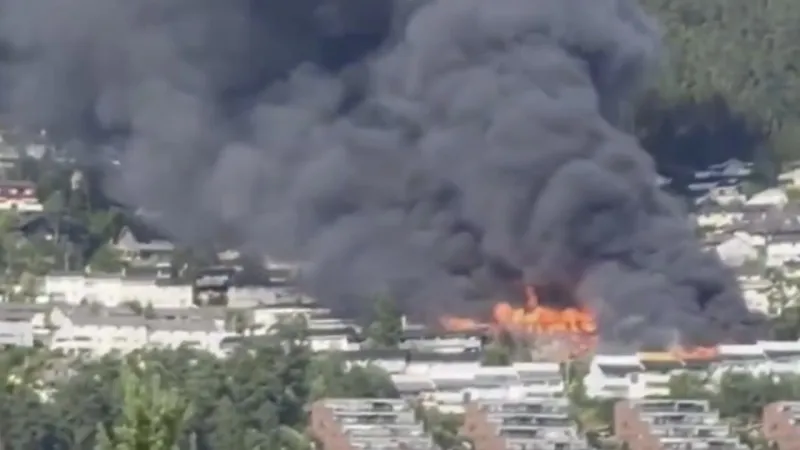
Meanwhile, the Ukrainian capital of Kyiv experienced renewed devastation as Russian forces launched a series of ballistic missile strikes. Air raid sirens blared across the city, prompting residents to seek shelter, as explosions rocked various districts. Initial reports indicated damage to civilian infrastructure and potential casualties, though official assessments are ongoing.
These latest missile attacks on Kyiv continue a persistent pattern of Russian aggression against Ukrainian urban centers, often targeting energy facilities and residential areas. The international community has repeatedly condemned such indiscriminate targeting, which constitutes clear violations of international humanitarian law. For a detailed account of previous strikes, refer to related reporting such as Kyiv Targeted by Ballistic Missiles; NATO Downs Drone Near Romania.
The simultaneous nature of these incidents — an aerial intrusion into NATO territory, alleged mass drone attacks on Moscow, and renewed missile strikes on Kyiv — paints a grim picture of intensifying hostilities. The geographical spread of these engagements indicates a conflict that continues to defy de-escalation efforts, threatening broader regional security.
NATO Secretary General Jens Stoltenberg, speaking from Brussels, reiterated the alliance's unwavering commitment to the collective defense of its members. "Any incursion into NATO airspace, intentional or otherwise, will be met with a firm and appropriate response," Stoltenberg stated, emphasizing the defensive nature of NATO's operations. This commitment is central to maintaining stability in a volatile environment.
Ukrainian authorities have not yet commented on Moscow's claims regarding the alleged 600-drone attack, maintaining strategic silence on such cross-border operations. Their focus remains on repelling Russian advances and defending national sovereignty against the ongoing aggression. The information vacuum surrounding these claims contributes to the fog of war.
Analysts suggest that the increased use of drones by both sides is a defining characteristic of the modern battlefield. These unmanned aerial systems offer cost-effective means of reconnaissance, targeting, and attack, allowing for strikes deep behind enemy lines. The sheer volume alleged by Moscow, however, raises questions about logistics and capabilities.
The repeated aerial incursions and retaliatory strikes underscore the urgent need for robust air defense capabilities, both for nations directly involved in the conflict and for neighboring states. The protection of civilian populations from these aerial threats remains a paramount concern for humanitarian organizations globally. For further context on such attacks, consider Kyiv Struck by Ballistic Missiles Amid Widespread Russian Attacks.
International observers continue to call for restraint and diplomatic solutions, though avenues for dialogue appear increasingly narrow amidst the escalating violence. The current trajectory suggests a prolonged and entrenched conflict with significant implications for global security and stability.
The incident over Romania is particularly concerning for the Western alliance, as any direct engagement within NATO territory, even accidental, carries the potential for broader conflict. The precise identification of the drone and its point of origin will be crucial in determining the diplomatic and military responses moving forward. This event serves as a stark reminder of the fragile peace in Eastern Europe.