 Dorry Archiles
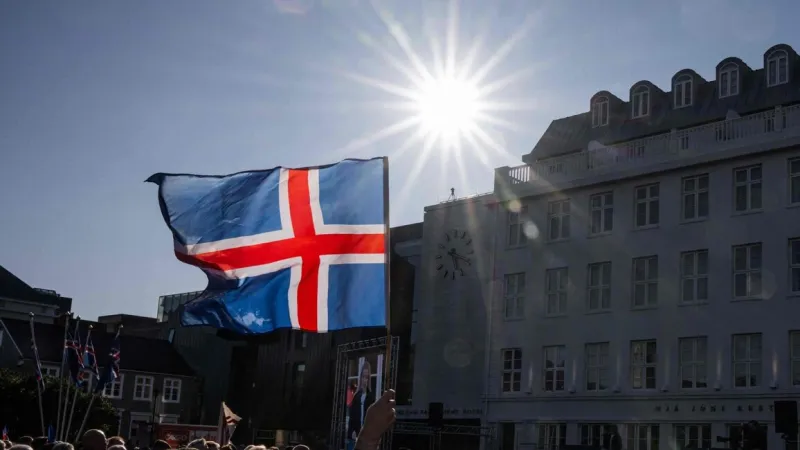
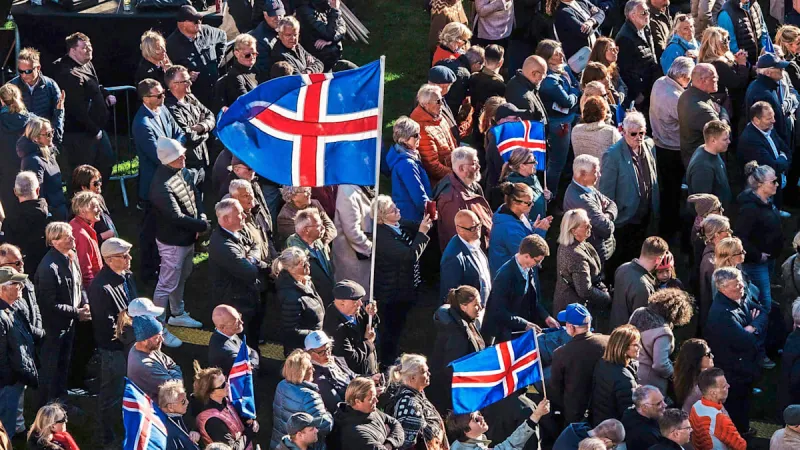
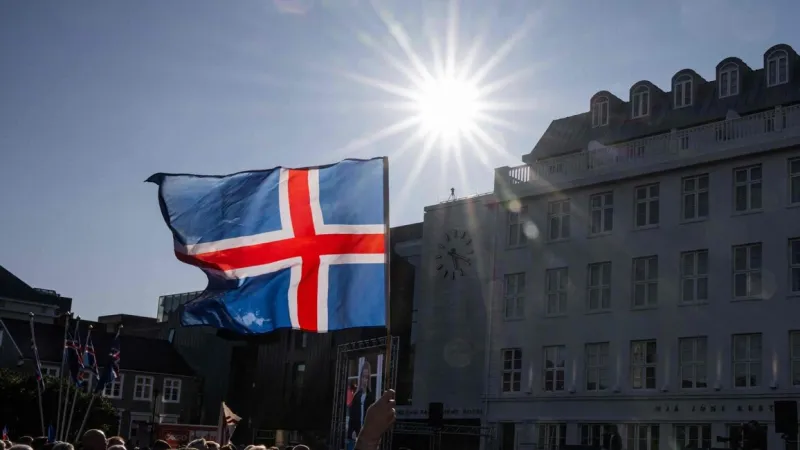
Early results from a critical national referendum across Iceland indicate a clear advantage for the camp opposing renewed negotiations for European Union accession, signaling a likely rejection of membership talks. The preliminary tallies, released in recent hours, show a significant shift from an initial neck-and-neck race, firmly positioning the no vote to prevail in this pivotal decision on the nation's future international alignment.
This outcome suggests a strong desire among Icelandic voters to maintain national sovereignty, particularly over the countrys crucial fishing grounds, a perennial point of contention during past EU discussions. Many citizens expressed concerns that EU membership would compromise their control over these vital natural resources.
Iceland originally applied for EU membership in 2009, largely driven by the severe economic fallout of the 2008 financial crisis. Negotiations began shortly thereafter but were ultimately frozen in 2013 by a Eurosceptic government.
The current referendum represents a culmination of ongoing debates within Icelandic society regarding the benefits and drawbacks of closer ties with the European bloc. The debate has been fiercely contested, reflecting deep divisions across political spectrums and demographic groups.
Proponents of the no vote often emphasize Iceland's successful economic recovery post-crisis, achieved largely outside the EU framework. They highlight the nation's robust fisheries management system, which they believe would be jeopardized by common EU policies.
Conversely, advocates for EU entry argued that membership could provide greater market access, increased political stability, and a stronger voice on the international stage. They pointed to benefits such as participation in the single market and enhanced security cooperation.
The decision to halt EU accession talks will likely solidify Iceland's independent economic path, heavily reliant on its fishing industry, tourism, and growing technology sectors. The nation will continue to operate under the European Economic Area (EEA) agreement, which provides access to the EU single market without full membership.
This Iceland EU referendum takes place against a backdrop of evolving geopolitical dynamics, where smaller nations re-evaluate their alliances and economic partnerships. The outcome may serve as a significant precedent for other non-EU European states considering their relationship with the bloc.
While official final turnout figures are pending, initial reports suggest a high level of engagement from the electorate, underscoring the importance voters placed on this defining national question. The referendum was viewed by many as a definitive statement on the countrys identity and future.
The prevailing no vote will undoubtedly shape Iceland's domestic political landscape, potentially strengthening the position of Eurosceptic parties and influencing future government formations. It solidifies a long-standing national sentiment concerning autonomy.
Despite the rejection of full membership, Iceland will maintain its close economic and cultural ties with the European Union through existing agreements. Both sides are expected to continue cooperation on various issues of mutual interest, including environmental policy and Arctic affairs.
The result of the Icelandic vote echoes a broader trend observed in some European nations, where national interests and a desire for self-determination often outweigh the perceived benefits of deeper integration into supranational bodies. It underlines the complex interplay of economics, identity, and governance.