Dodi Irawan
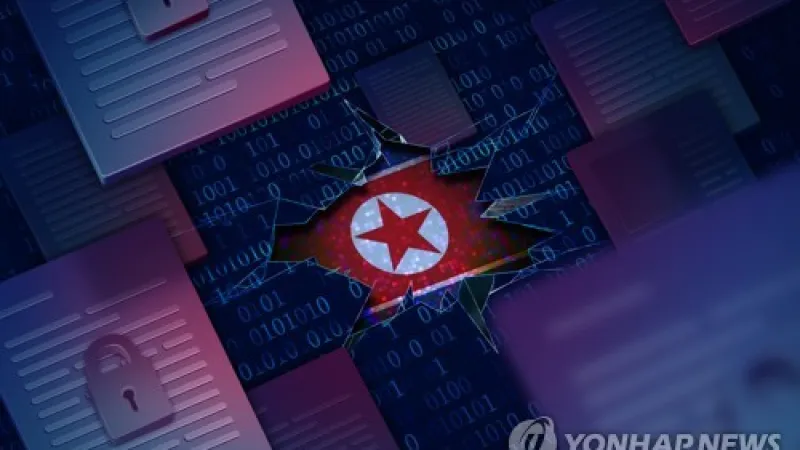
SEOUL – North Korea-linked cybercriminals, widely suspected to be elements of the notorious Lazarus Group, have reportedly compromised at least 30 South Korean servers, escalating concerns over Pyongyangs persistent digital warfare capabilities. This significant infiltration, detailed in a report released November 15, highlights a concerted effort to target critical infrastructure and potentially extract sensitive data.
The extensive cyberattack underscores a recurring pattern of malicious activities attributed to the reclusive state. Experts believe the operation aimed at intelligence gathering, financial illicit activities, or possibly disruptive actions against Seoul, which frequently finds itself a target of such sophisticated intrusions.
South Korean authorities have not yet publicly identified the specific entities or sectors affected by the server breaches. However, the scale of 30 compromised servers suggests a broad targeting strategy, potentially impacting government agencies, defense contractors, or private businesses engaged in sensitive research and development.
The Lazarus Group, a moniker for various North Korean hacking units, has a well-documented history of sophisticated global cyber operations. Their past exploits range from the WannaCry ransomware attack to significant cryptocurrency heists, often serving Pyongyangs strategic and financial objectives, which are crucial for circumventing international sanctions.
This latest incident adds to a growing dossier of North Korean cyber aggression. In 2026, the global cybersecurity landscape remains fraught with state-sponsored threats, with Pyongyang consistently at the forefront of such illicit activities, employing them as a low-cost, high-impact tool.
The timing of the report also draws attention, following recent developments in regional security. North Koreas geopolitical maneuvers, including efforts to strengthen ties with nations like Russia, as highlighted in reports such as Kim's Top Aide Bolsters Russia Ties, Raising International Concern, often run parallel to its digital campaigns designed to gather intelligence or generate revenue.
Cybersecurity analysts emphasize the urgent need for robust defensive measures in South Korea and beyond. The infiltration of numerous servers signals a persistent vulnerability that nation-states and private enterprises must address proactively with enhanced security protocols and threat intelligence sharing.
Such cyberattacks pose multi-faceted threats, from intellectual property theft and espionage to potential sabotage of vital services. The financial ramifications alone from data breaches can be substantial, disrupting economies and eroding public trust in digital systems.
The international community, led by nations including the United States under President Donald Trump, has repeatedly condemned North Koreas cyber aggression. However, Pyongyang continues to leverage its advanced hacking capabilities as a cost-effective tool for regime survival and strategic leverage on the global stage.
This incident serves as a stark reminder of the escalating cyber arms race. As technology advances, so too do the methods employed by state-backed actors, demanding continuous innovation in digital defense and collaborative efforts among nations.
South Koreas advanced digital infrastructure, given its high level of connectivity and technological advancement, frequently becomes a prime target for such attacks. The nations robust ICT sector, often lauded for its contributions to global AI expansion, as detailed in South Korea's ICT Exports Surge, Fueling Global AI Expansion, simultaneously presents a complex and tempting attack surface for hostile actors.
Intelligence agencies worldwide closely monitor the evolution of North Korean cyber tactics. The adaptability and persistence of groups like Lazarus mean that defending against them requires international cooperation and sustained vigilance against evolving threats.
The report did not specify the exact method of intrusion, but previous North Korean campaigns have utilized sophisticated tactics such as spear-phishing, supply chain attacks, and zero-day exploits. The advanced nature of these attacks often makes attribution and prevention exceptionally challenging for even well-resourced targets.
For South Korea, national security extends beyond conventional military threats to the digital realm. Protecting its cyberspace is paramount to safeguarding its economy, democratic institutions, and citizens privacy in an increasingly interconnected world.
This situation necessitates a comprehensive review of cybersecurity protocols across all sectors within South Korea. Organizations must prioritize continuous threat intelligence, employee training, and the implementation of advanced detection and response systems to mitigate future risks from these persistent North Korean hackers.