Dodi Irawan
Leverkusen — A Bundesliga fixture between Bayer Leverkusen and SC Freiburg experienced an unexpected delay when visiting Freiburg supporters initiated a protest by throwing tennis balls onto the pitch. The disruption, which occurred at the matches outset, forced a momentary halt to play and elicited contrasting responses from coaching staff present.
For several minutes, the playing surface was covered with a flurry of yellow tennis balls, rendering the pitch unplayable. Match officials quickly moved to clear the debris, momentarily overshadowing the athletic contest with an act of fan activism.
SC Freiburg coach Florian Schuster reacted with visible frustration, reportedly making his way towards the section of the stands where the protest originated. His angry demeanor underscored the disruption felt by teams and officials alike, highlighting the impact such actions have on the flow and integrity of professional sport.
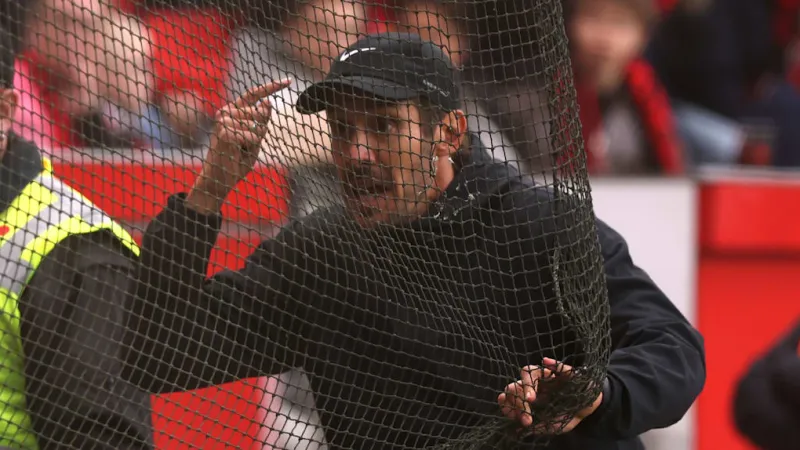
In stark contrast, the national team coach, present at the stadium, appeared to find amusement in the unusual spectacle. His smiling reaction, captured by cameras, offered a different perspective on the incident, perhaps viewing it as an eccentric, albeit disruptive, form of fan expression.
While the specific grievances driving the Freiburg fans protest were not immediately detailed, such demonstrations in German football are increasingly common. Supporters frequently leverage high-profile matches to voice dissent over various issues, including league governance, ticket pricing, or broader concerns affecting fan culture.
These acts of protest, though often non-violent, pose challenges for league authorities and club management. They underscore the delicate balance between fan engagement and maintaining order within sporting venues, often leading to discussions about potential penalties for clubs whose supporters instigate such interruptions.
The incident at BayArena resonates with a broader trend of public demonstrations seen across Europe. From the streets of Paris to various cities in Italy, citizens are increasingly using public platforms to express grievances, challenging established norms and sometimes causing widespread disruption.
Whether motivated by political policies, economic concerns, or, in this case, football-related issues, these protests reflect a heightened willingness among segments of the population to directly confront authorities or express discontent in highly visible ways. They demonstrate a shared desire for their voices to be heard, often disrupting daily life or planned events to achieve maximum impact.
Government and sports organizations alike are grappling with how to manage these escalating forms of public expression. Discussions often center on striking a balance between protecting freedom of speech and ensuring public order and safety, a debate that has intensified amidst recent waves of unrest.
The Leverkusen interruption, while occurring in a sporting context, serves as another instance of this ongoing societal dialogue. It highlights how public spaces, even those dedicated to entertainment, can become arenas for expressing deeper sentiments and collective frustrations.
Ultimately, incidents like these compel clubs, leagues, and policymakers to continuously evaluate their engagement with fan bases and the broader public. Understanding the underlying causes of such discontent, rather than solely focusing on punitive measures, may offer a path toward more sustainable resolutions and a renewed focus on the essence of sport itself.