Demian Sahputra
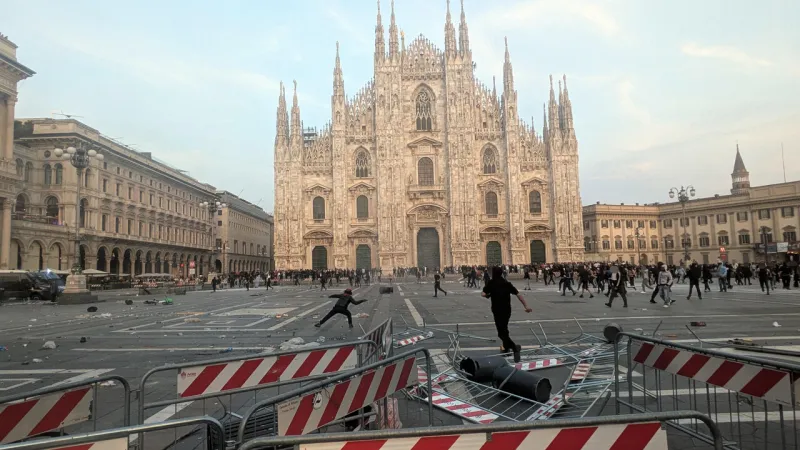
ROME—Italy recently experienced significant public unrest, as violent clashes during protests across the nation led to the arrest of 28 individuals and the identification of 197 others. These events ignited a sharp political debate, with Prime Minister Giorgia Meloni reaffirming her unwavering support for law enforcement, while Interior Minister Matteo Piantedosi labeled the instigators “professionals of disorder.”
The widespread disturbances prompted immediate government responses and condemnation from across the political spectrum, albeit with differing perspectives on the underlying causes and appropriate reactions. The focus now shifts to maintaining public order amidst ongoing social tensions.
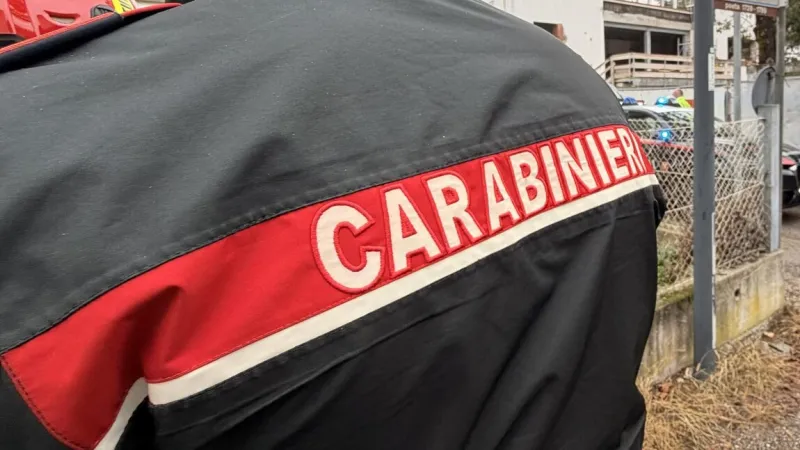
Prime Minister Meloni issued a strong statement defending the actions of police and carabinieri involved in managing the demonstrations. “We are with the police,” Meloni declared, underscoring the government's commitment to ensuring the safety and security of its citizens and those tasked with upholding the law.
Interior Minister Piantedosi elaborated on the nature of the clashes, suggesting a deliberate attempt to incite violence. He firmly stated that the actions observed were characteristic of “professionals of disorder,” implying organized elements aimed at disrupting peaceful assembly and escalating tensions.
Piantedosi also stressed the government's resolve to fully apply existing statutes against those responsible. “We will apply the laws. Even minors will not go unpunished,” he affirmed, signaling a zero-tolerance approach to criminal behavior during public gatherings, regardless of age.
In contrast, opposition leader Elly Schlein of the Democratic Party offered a nuanced condemnation. While unequivocally denouncing the violence, Schlein cautioned against using the actions of a few to discredit legitimate dissent. “We condemn the delinquents, but they should not be used to cover up peaceful protests,” she articulated, emphasizing the importance of distinguishing between criminal acts and the constitutional right to protest.
The immediate political rift highlights the delicate balance between safeguarding freedom of expression and preventing public unrest from devolving into lawlessness. The government faces the challenge of enforcing order without alienating broad segments of the populace engaged in lawful protest.
The discussions among Italian leaders about public order and protest organizers have become a recurring theme in national discourse. (See related article: Italian Leaders Clash Over Public Order, Protest Organizers).
The identification of nearly 200 individuals beyond those arrested suggests a broader investigative effort to track down all participants in the violent episodes. Law enforcement agencies are likely compiling extensive evidence to support further charges and deter future acts of aggression during public gatherings.
The ramifications of these events extend beyond immediate arrests, potentially influencing future legislation regarding public assembly and security protocols. The government may consider stricter measures to manage large crowds and counter the perceived threat from organized agitators.
The political debate also mirrors deeper societal concerns regarding economic pressures, social inequalities, and varying interpretations of civic duty. As Italy navigates these complex issues, the dialogue between governing parties and the opposition remains critical for achieving consensus on national security and civil liberties.
Ultimately, the incidents underscore the persistent challenge many European nations face in balancing fundamental democratic rights with the imperative to maintain stability and prevent opportunistic exploitation of demonstrations by violent actors. The Italian government’s firm stance on law enforcement support and accountability for all offenders, including minors, signals a robust approach to future civil disturbances.