 Edward DP Situmorang
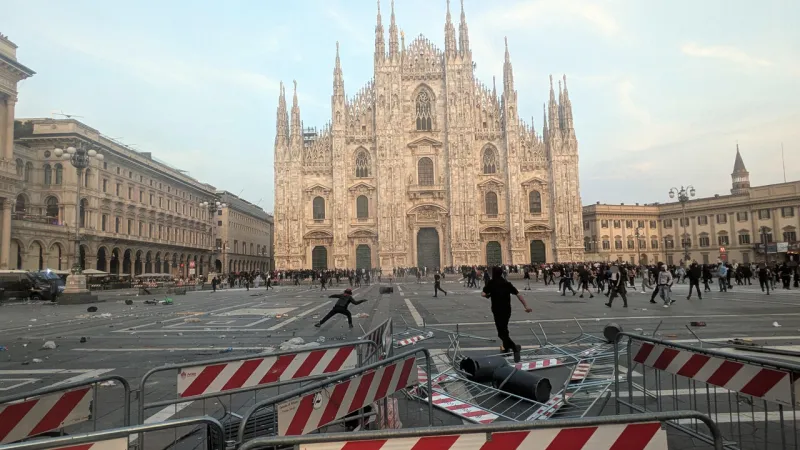
Rome — Italian Prime Minister Giorgia Meloni has unequivocally declared her governments staunch support for law enforcement, asserting that citizens must be free to experience their cities without the specter of fear. Her declaration follows a period of heightened public discourse surrounding protests and urban safety across Italy, sparking a heated exchange with opposition leaders concerning the nature and orchestration of recent demonstrations.
Melonis statement underscored a core tenet of her administration: the restoration and maintenance of public order as a fundamental pillar of civil society. She emphasized the unwavering commitment to equipping and backing the police forces, who are tasked with safeguarding both property and individual liberties. This stance resonates with segments of the populace seeking greater assurances of security in urban environments.
The Prime Ministers remarks come at a time when the nation is grappling with various forms of public dissent. While the government strives to project an image of control and stability, the underlying currents of social unrest present a complex challenge, requiring a delicate balance between preserving the right to protest and ensuring collective security.
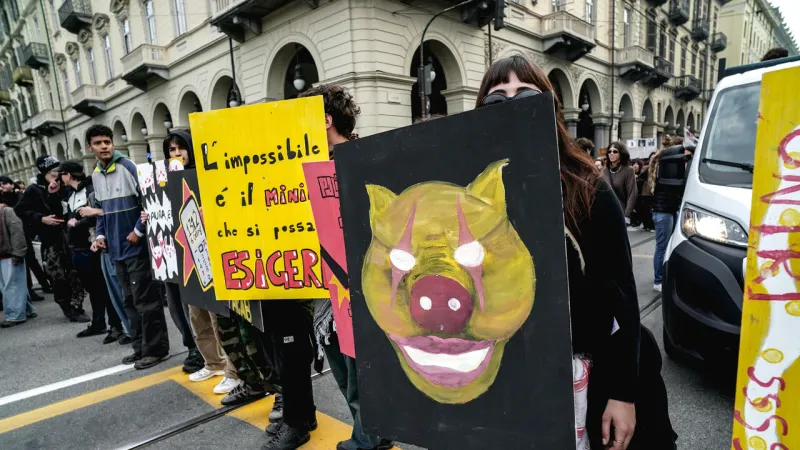
However, the governments position has not gone unchallenged. Nicola Fratoianni, a prominent figure in the Italian Left Alliance, voiced significant skepticism regarding the provenance of some recent gatherings. Fratoianni questioned the legitimacy of these demonstrations, stating, "Protests have been called by an unknown Italia in piazza; one must ask questions."
Angelo Bonelli, co-leader of Green Europe, delivered an even more pointed critique, condemning the violent elements within protests and directly appealing to the Interior Ministry. Bonelli asserted, "The violent are criminals; the Interior Ministry should identify them." He stressed that perpetrators of violence should be held accountable, regardless of their purported affiliations or motivations.
Bonelli further escalated his criticism by accusing the political right of opportunism. He charged that the right wing was being "ignoble in instrumentalizing and accusing us," suggesting a cynical attempt to exploit public safety concerns for political gain and shift blame onto opposition parties. This political broadside indicates a deep division in how the nations leaders perceive and respond to public unrest.
The debate over public order has been amplified by various demonstrations that have swept across parts of Italy in recent months. Issues ranging from economic grievances to social policies have fueled these movements, creating a volatile environment where maintaining peace becomes paramount. An example includes Southern Italy gripped by diesel price protests, illustrating the breadth of popular discontent.
Prime Minister Melonis government, while asserting its firm stance on security, also navigates a complex political landscape, as Italys budget debate intensifies. The intertwining of economic policy, social unrest, and public safety issues underscores the multifaceted challenges facing the Italian executive.
The focus on identifying protest organizers, as raised by Fratoianni, points to a growing concern within political circles about accountability and the potential for anonymous or shadowy groups to orchestrate public events. This line of inquiry suggests a desire to understand the true drivers behind certain movements and to prevent potential abuses of the right to assembly.
The statements from both the government and the opposition reveal a polarized national conversation. While Meloni prioritizes the security apparatus and public tranquility, opposition figures are calling for accountability from violent actors while simultaneously accusing the governments allies of political maneuvering. This dynamic ensures that public order will remain a contentious and central issue in Italian politics for the foreseeable future.
The Italian government faces the delicate task of upholding democratic freedoms, including the right to peaceful protest, while simultaneously cracking down on any criminal activity that may occur during such demonstrations. The challenge lies in distinguishing legitimate dissent from outright lawlessness, a distinction that often becomes blurred amidst passionate public debate and political finger-pointing.
Ultimately, the political discourse surrounding public order in Italy reflects a broader European struggle to manage social discontent in an era of economic uncertainty and heightened political polarization. The outcomes of these debates will have lasting implications for both civil liberties and national security.