 Dorry Archiles
ROME — Prime Minister Giorgia Meloni is scheduled to gather her government's leading figures on Monday to solidify Italy's upcoming financial maneuver, a crucial legislative package that has ignited contentious debate, particularly regarding a proposed windfall tax on banks and financial institutions. The high-stakes meeting aims to reconcile differing perspectives from coalition partners and address mounting anxieties from local municipalities over their budgetary allocations.
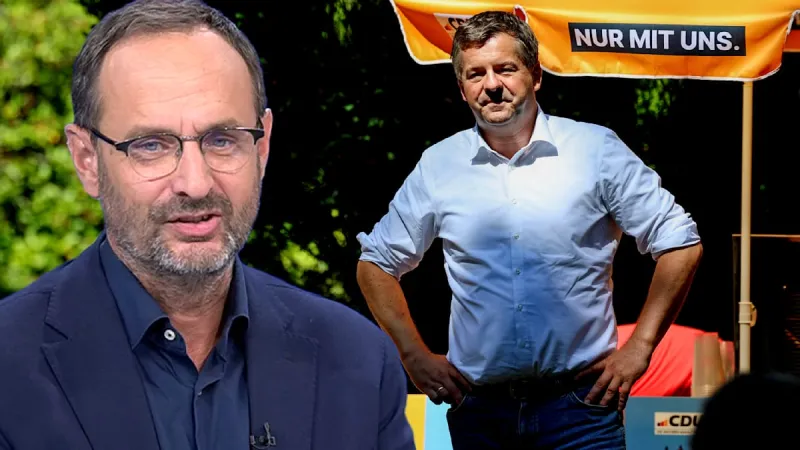
The proposed levy on bank profits, intended to fund public services and mitigate rising living costs, has drawn sharp reactions across the political spectrum and the financial sector. Deputy Prime Minister Matteo Salvini notably expressed a surprising stance, stating publicly, "Banche mazzolate? Patuelli sorprendente," which translates to "Banks clobbered? Patuelli surprising," referring to the critical comments from Antonio Patuelli, head of the Italian Banking Association.
Conversely, Foreign Minister Antonio Tajani, another key coalition figure, urged caution against what he termed "aggressioni violente" or "violent aggression" directed at banks. This divergence underscores the internal friction within the ruling coalition as it attempts to balance popular demands with economic stability and investor confidence.
Municipal leaders across Italy have also voiced profound concern regarding the financial maneuver's potential impact on local budgets. They fear that insufficient provisions could jeopardize essential public services and infrastructure projects, adding another layer of complexity to the government's fiscal balancing act. The National Association of Italian Municipalities (ANCI) has been a vocal advocate for greater support, highlighting the strain on local coffers.
Amid these deliberations, the government also touts the forthcoming "decreto bollette" or "bills decree," promising significant savings for households and businesses struggling with energy costs. This initiative is positioned as a countermeasure to the economic pressures felt by citizens, aiming to offer tangible relief ahead of colder months.
The financial maneuver, colloquially known as the budget law, represents the Meloni administration's primary fiscal policy document for the upcoming year. It dictates spending priorities, revenue generation, and crucial economic reforms. The intricate process involves detailed negotiations between ministries, coalition parties, and external stakeholders before its eventual parliamentary approval.
Observers note that while the concept of a bank windfall tax has populist appeal, its implementation requires careful consideration to avoid unintended consequences on the financial markets and the broader economy. The European Central Bank has previously warned against policies that could destabilize the banking sector, emphasizing the need for robust capital reserves.
Adding to the complexity, the International Monetary Fund has previously issued warnings regarding Italy's substantial public debt, urging prudent fiscal management. As reported, "IMF Focus: Giorgetti Warns on Debt, Lagarde Cites Energy Shock," highlighting the delicate balance Italy's finance minister must strike between stimulus and austerity. IMF Focus: Giorgetti Warns on Debt, Lagarde Cites Energy Shock.
The government faces pressure not only from within its ranks but also from various societal sectors. Recent public demonstrations in Italy, including intensified protests in cities like Milan and Rome, underscore a broader public demand for economic stability and government accountability regarding living costs and social welfare. This societal unrest, detailed in Italian Protests Intensify: Milan Sees Clashes, Rome Demands Change, reflects broader European trends, as seen in Marseille Erupts: Yellow Vests and Students Protest Soaring Living Costs, indicating widespread discontent over rising living expenses.
Prime Minister Meloni's ability to forge a consensus around this critical financial maneuver will be a significant test of her leadership and the stability of her coalition. The outcome will likely shape Italy's economic trajectory and public sentiment for the foreseeable future, impacting everything from energy prices to local public services.
The budget discussions are not occurring in isolation. European economic conditions, including inflationary pressures and the ongoing energy crisis, provide a challenging backdrop. The administration must navigate these external factors while satisfying domestic political demands and adhering to European Union fiscal rules.
Ultimately, the Monday meeting is expected to iron out the final details, bringing clarity to the government's approach on the bank tax and providing concrete responses to municipal financial concerns. The stakes are high as Italy seeks to balance fiscal responsibility with social equity.