Dorry Archiles
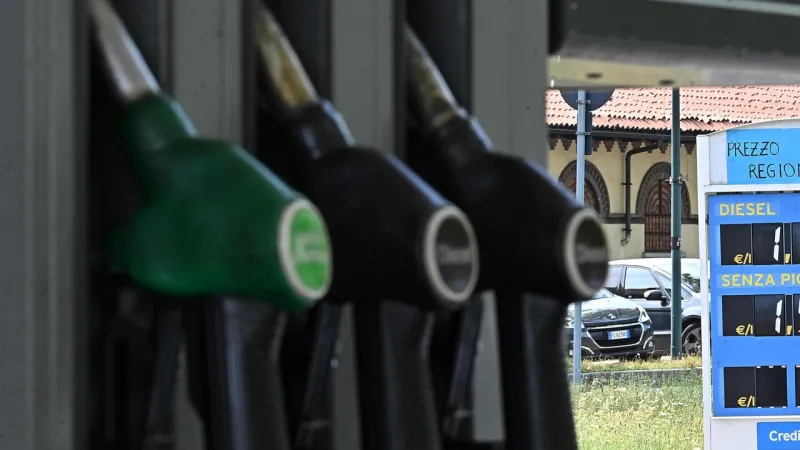
SOUTHERN ITALY is grappling with intensifying protests by farmers and truckers who are demonstrating against the escalating cost of diesel fuel, which has now reached approximately 2.3 euros per liter. The widespread unrest, particularly pronounced in regions such as Calabria, Sicily, and Puglia, has prompted Deputy Prime Minister Matteo Salvini to announce a crucial meeting with local representatives slated for Tuesday.
The demonstrations, marked by convoys of tractors and trucks blocking key thoroughfares, highlight the profound economic strain placed upon agricultural and logistics sectors. Operators contend that current fuel prices render their operations unsustainable, threatening livelihoods and the stability of supply chains.
Diesel, a critical input for both farming machinery and commercial transport, has seen its price surge significantly, pushing many small and medium-sized enterprises to the brink. Farmers argue that while their operational costs soar, the prices they receive for their produce remain stagnant or even decline, exacerbating their financial woes.
The protest movement, initially sporadic, has gained considerable momentum across the Italian mezzogiorno. Participants voice a collective frustration with what they perceive as inadequate government support and a lack of effective policies to mitigate inflationary pressures impacting essential commodities.
Deputy Prime Minister Salvini, who also serves as Minister of Infrastructure and Transport, has acknowledged the severity of the situation. His proposal for a dialogue on Tuesday signals a recognition of the widespread discontent and an effort to de-escalate tensions through direct engagement with the affected regions.
The upcoming talks are expected to bring together Salvini with governors and other key stakeholders from Calabria, Sicily, and Puglia. Discussions will likely center on potential governmental interventions, including subsidies, tax relief, or other fiscal measures designed to alleviate the burden of high fuel costs.
This wave of demonstrations in Southern Italy mirrors broader economic anxieties gripping the nation. Italy has recently seen various forms of public outcry over living costs and industrial issues, including the significant layoffs at the Ex-Ilva plant, as detailed in reports like Ex-Ilva Doubles Layoffs; 8,622 Workers Idled As Taranto Protests Mount.
Furthermore, nationwide discontent over economic conditions has led to larger mobilizations. Earlier, the Cgil union organized significant demonstrations, as reported in Cgil Mobilizes 100,000, Calls Nationwide General Strike, indicating a pervasive climate of economic uncertainty and demand for governmental action.
The Italian government, led by Prime Minister Giorgia Meloni, has also been engaged in intense budget debates, as chronicled in articles such as Italy's Budget Debate Intensifies As Meloni Convenes Key Players. These discussions often grapple with balancing fiscal responsibility with the need to support struggling sectors and citizens.
The plight of the farmers and truckers underscores a critical challenge for Rome: how to maintain economic stability and foster growth while simultaneously addressing the immediate and pressing financial hardships faced by vital segments of its economy. The outcome of Tuesday's meeting will be closely watched, not just by the protesting regions but by a nation increasingly sensitive to the impacts of inflation and energy prices.
Observers note that the government faces a delicate balancing act. While direct intervention to lower fuel prices could offer temporary relief, it also carries potential fiscal implications and could be seen as a precedent for other sectors. The long-term solutions will likely require a multifaceted approach that considers both immediate relief and sustainable economic policies.
The ongoing protests are a stark reminder of the social and economic pressures simmering beneath the surface in Italy, highlighting the urgent need for constructive dialogue and effective policy responses to prevent further escalation of civil unrest. The eyes of the country are now on Tuesday's discussions.