 Edward DP Situmorang

Russia's Supreme Court has delivered a definitive blow to political pluralism, ruling to exclude an anti-war political party from participating in upcoming parliamentary elections. The decision, handed down this week in Moscow, effectively curtails opposition voices ahead of a critical national vote, intensifying concerns among international observers about the state of democratic processes in the country.
The ruling specifically targets a political party that had openly sought to challenge the Kremlin's narrative on the ongoing conflict. This exclusion marks a significant escalation in the authorities' efforts to consolidate power and suppress dissent regarding Russia's military actions.
Critics argue that the court's justification, often citing technical infractions or administrative irregularities, serves as a thinly veiled pretext to silence political movements that diverge from official state policy. The legal system, they contend, increasingly functions as an instrument of political control rather than an independent arbiter.
This development aligns with a broader pattern observed in Russia over recent years, where the political arena has progressively narrowed. Opposition figures have faced arrests, harassment, and disqualifications, leading to an environment where genuine political competition is increasingly difficult to achieve.
The exclusion of the anti-war party sends a clear message to any potential opposition groups: open criticism of state policy, especially concerning military operations, will not be tolerated within the official political framework. This move is expected to further depress voter turnout among disaffected citizens.
A spokesperson for the excluded party, speaking anonymously due to fear of reprisal, stated, "This decision is a judicial farce designed to guarantee a predetermined outcome. It strips millions of Russians of their right to vote for peace."
Kremlin officials, however, maintain that all judicial processes are conducted strictly according to Russian law. A statement from the Supreme Court press service emphasized the "strict adherence to electoral legislation" and dismissed any accusations of political motivation behind its rulings.
International human rights organizations and Western governments are expected to condemn the decision, viewing it as another erosion of democratic norms. Such actions often draw criticism and add to the growing list of concerns regarding Russia's human rights record.
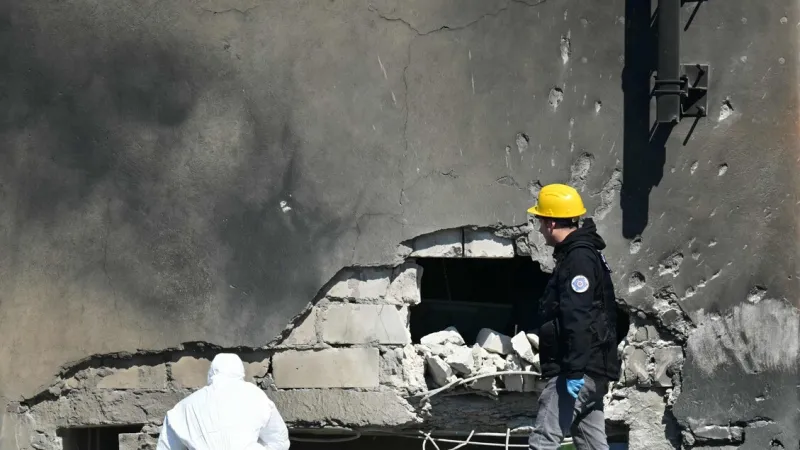
The stifling of internal dissent comes as Russia continues to engage in a protracted conflict, facing ongoing challenges both on the battlefield and from retaliatory actions. Recent reports, such as those detailing Ukraine Drones Strike Deep Into Russia, Casualties Mount Amid Escalation, highlight the persistent tensions that the government appears keen to manage by limiting internal opposition.
With the anti-war party sidelined, the upcoming parliamentary elections will likely feature a restricted slate of approved candidates, primarily from parties that consistently support the ruling administration. This further solidifies the dominant political party's control over the legislative branch.
While the Supreme Court did not release specific details of the alleged infractions at the time of the announcement, such rulings frequently involve accusations of improper documentation, insufficient signatory support, or violations of campaign finance regulations. These technicalities often prove insurmountable for independent political groups.
The decision serves as a powerful deterrent, signaling that even the symbolic presence of a truly anti-war voice on the ballot is deemed unacceptable. It underscores the Kremlin's strategy of eliminating any viable alternatives to its foreign and domestic policies.
For the beleaguered opposition, this ruling represents a significant setback, forcing them to reconsider their strategies for engaging with a system that appears increasingly impervious to internal challenges. Alternative methods of protest or political engagement outside the official electoral framework may become more prevalent.
While not directly tied to the economy, a closed political system can have indirect consequences, potentially stifling innovation and discouraging foreign investment due to a perceived lack of transparency and rule of law.
Opinion polls, often viewed with skepticism in Russia, suggest a segment of the population harbors fatigue and a desire for peaceful resolution, even if open expression of such sentiments carries risks. The suppression of an anti-war party denies this segment a formal political outlet.
In essence, the Supreme Court's ruling underscores a calculated effort to maintain political stability and unity, as defined by the state, even at the cost of democratic principles and the right to political choice.