 Dorry Archiles
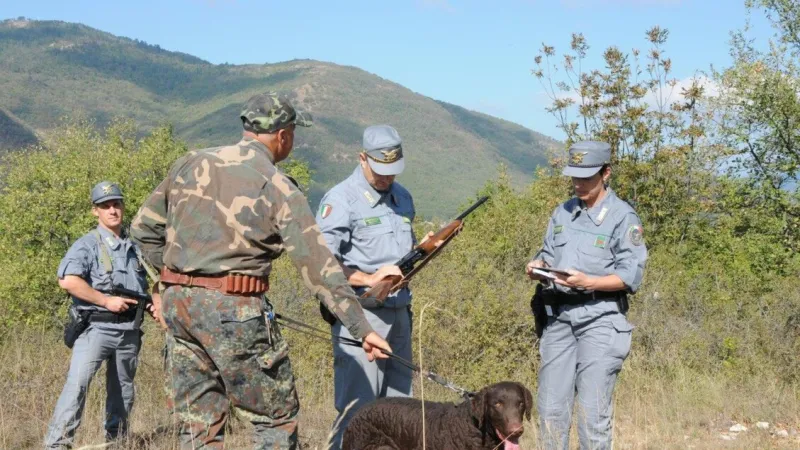
ROME — Italy's governing majority is fast-tracking a contentious national hunting law through Parliament, with committee discussions set to commence tomorrow, eliciting strong appeals from opposition parties and environmental associations directed at Speaker Lorenzo Fontana amid heightened European Union oversight. The proposed legislation, described by proponents as a modernization effort, faces accusations of undermining biodiversity protections and potentially violating EU environmental directives.
The bill, initially tabled weeks ago, has been prioritized by the coalition, signaling an intent to push it through before the parliamentary calendar becomes congested. Its rapid progression means that deliberations will begin in the relevant House committee, where amendments and further debate are anticipated. Observers suggest the accelerated timeline reflects a strategic move to preempt prolonged public and international dissent.
Sources within the majority bloc indicate the urgency stems from a desire to update what they term outdated regulations governing hunting practices across the country. Proponents argue the current framework is fragmented and often contradictory, leading to inefficiencies and legal ambiguities. They assert the new hunting law aims to streamline procedures and provide greater clarity for hunters, while still maintaining ecological balance.
Conversely, opposition parties have vehemently condemned the bill, characterizing it as a direct assault on Italy's natural heritage. They contend the proposed changes risk weakening existing safeguards for protected species and critical habitats. Critics argue that the accelerated legislative process bypasses thorough public consultation and scientific review, undermining democratic principles.
A coalition of prominent environmental associations has joined the chorus of opposition, appealing directly to Speaker Fontana to halt or significantly revise the bill. These groups have outlined specific provisions within the hunting law that they claim would expand hunting seasons, increase the list of huntable species, and relax restrictions in sensitive ecological zones, leading to irreversible damage to wildlife populations.
The European Union, through its environmental commission, has reportedly placed Italy's legislative moves under a microscope. Brussels has a long-standing interest in member states' adherence to directives such as the Birds Directive and the Habitats Directive, which govern conservation and sustainable use of wildlife resources. Any perceived deviation from these standards could trigger formal infringement procedures against Italy, leading to substantial fines and legal challenges.
This is not the first instance of Italy finding itself under EU scrutiny regarding its hunting regulations. Past attempts to modify hunting calendars or expand permissible hunting activities have often met with resistance from Brussels, prompting revisions or withdrawals of proposed legislation. The current situation rekindles familiar tensions between national legislative autonomy and supra-national environmental obligations.
Key points of contention within the evolving hunting law include debates over the precise definition of huntable species, the duration of hunting seasons, particularly for migratory birds, and the methods sanctioned for hunting. Environmental advocates stress the need for a scientific basis for these decisions, aligning with international conservation agreements.
The appeal to Speaker Fontana underscores the gravity of the situation for environmental groups and the political opposition. They urge Fontana to exercise his institutional authority to ensure a more deliberative process, emphasizing that the long-term ecological consequences of this hunting law far outweigh any short-term political gains. Environmental advocates have declared their intention to pursue all available legal avenues should the bill pass in its current form.
For the ruling majority, the swift passage of the hunting law represents a fulfillment of campaign promises to certain voter segments and rural communities. However, the international backlash and domestic criticism risk tarnishing the government's image, potentially forcing a delicate balancing act between satisfying its base and upholding international commitments.
As the bill moves into committee, the eyes of both national stakeholders and European institutions will remain fixed on Rome. The outcome of these discussions will not only redefine hunting practices in Italy but could also set a precedent for how member states reconcile domestic policy with broader EU environmental mandates, making the upcoming days crucial for Italy's ecological and political landscape.