 Debby Wijaya
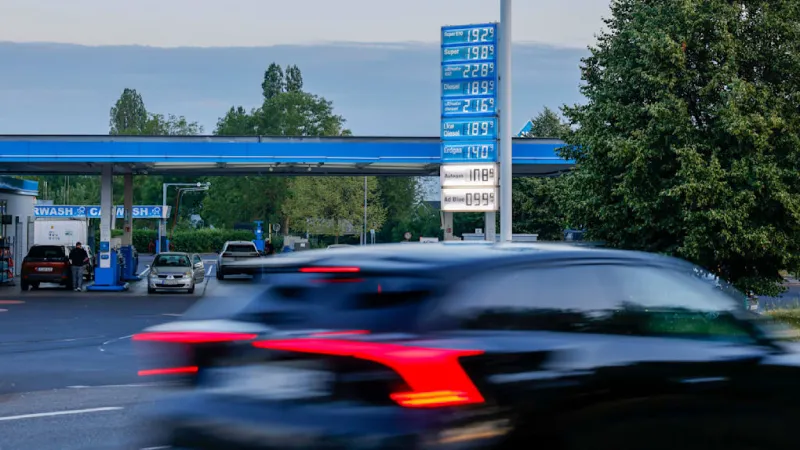
BERLIN - Germany's Federal Council Economic Committee has reportedly endorsed a pivotal initiative from the state of Saarland, proposing a fuel price cap designed to curb consumer exploitation and stabilize gasoline and diesel costs following the expiration of previous government subsidies.
The move signals a proactive governmental attempt to mitigate the financial burden on citizens as market forces respond to policy changes.
The proposal, which gained committee backing according to recent reports, specifically aims to prevent what proponents term gouging, ensuring that pump prices remain consumer-friendly. This action comes after the end of a significant fuel tax rebate, known as the Tankrabatt, which had temporarily eased costs for motorists across the nation.
The initiative from Saarland seeks to establish a legislative framework that would allow for a ceiling on fuel prices, particularly in periods of market volatility or after the withdrawal of state support. Such a mechanism would empower the government to intervene and regulate pricing to safeguard the financial interests of ordinary Germans.
Historically, the German government has employed various measures to influence fuel prices, often in response to global energy market fluctuations or domestic economic pressures. The previous fuel discount, introduced to offset high inflation and energy costs, concluded recently, leading to concerns about a rapid escalation in prices at the pump.
Advocates for the fuel price cap argue that without such a measure, consumers are vulnerable to opportunistic pricing by fuel companies, especially when demand remains high. They contend that a cap would inject a necessary element of fairness into the market, preventing essential travel and transport costs from becoming prohibitive for households and businesses alike.
The Bundesrat, Germany's legislative body representing the 16 federal states, plays a crucial role in the country's legislative process, particularly in matters affecting state interests and revenue. The economic committee's endorsement signifies that the initiative has cleared an important hurdle, moving closer to broader consideration by the full Federal Council.
While the exact details of the proposed fuel price cap mechanism are still under development, discussions are expected to center on parameters such as price thresholds, duration of caps, and the specific market conditions that would trigger their implementation. Policymakers will need to balance consumer protection with the economic realities faced by fuel retailers and distributors.
Critics of price caps often raise concerns about potential unintended consequences, such as supply shortages, reduced competition, or disincentives for investment in the energy sector. They argue that market intervention can distort natural economic signals and may not provide a sustainable long-term solution to high fuel costs. These concerns will undoubtedly form a significant part of the impending debate.
The broader German economic landscape has recently seen significant policy activity, including a landmark tax reform and growth deal struck by the German coalition, demonstrating the government's commitment to economic stability and growth. This new fuel price cap proposal fits into that broader narrative of governmental intervention aimed at stabilizing household finances and supporting the economy. German Coalition Strikes Landmark Tax Reform, Growth Deal
The initiative will now proceed through the Bundesrat's legislative channels, where it will undergo further scrutiny and potential amendments before a final vote. If approved, it would then require concurrent approval from the Bundestag, Germany's federal parliament, to become law. The legislative journey underscores the complex nature of policy-making in a federal system.
The fuel price cap debate is poised to become a central discussion point in German political and economic circles in the coming months. Its outcome will significantly impact not only consumer spending but also the operating environment for energy companies and the government's approach to market regulation. The government is treading a delicate path between ensuring economic fairness and maintaining market health.
This proposal reflects a growing sentiment across various European nations to shield citizens from the sharp edges of inflation and energy price volatility. As governments grapple with persistent economic pressures, direct interventions like price caps are increasingly considered viable tools to manage the cost of living crisis for their populations.