 Angela Stefani
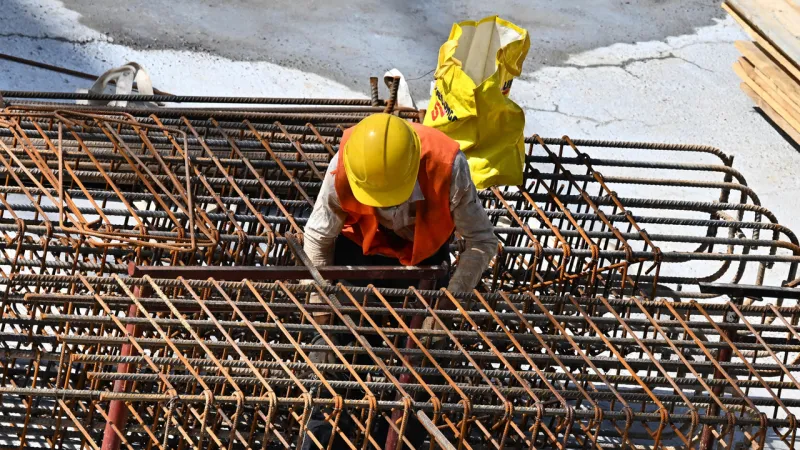
PADUA, Italy – An undocumented bricklayer likely succumbed to a heat-induced collapse, an autopsy has indicated, prompting a police investigation into six individuals for alleged failure to provide assistance. The worker, whose identity remains undisclosed, was discovered deceased at a construction site in the Padua area, raising serious questions about workplace safety and employer responsibilities during extreme weather conditions.
The preliminary autopsy results found no evidence that the worker was intoxicated, directly challenging initial speculative reports. Instead, medical examiners pointed to a probable correlation between the extreme temperatures prevailing at the time and the laborers sudden demise. This finding shifts the focus sharply towards environmental factors and potential workplace negligence.
Six individuals have been formally placed under investigation by judicial authorities. These individuals are reportedly connected to the construction project and are being probed for their alleged role in the omission of rescue, a serious charge that could carry significant legal penalties. The specifics of their involvement and the timeline of events leading up to the tragedy are central to the ongoing inquiry.
Investigators are meticulously reconstructing the final hours of the bricklayer, scrutinizing work schedules, site conditions, and the protocols in place – or conspicuously absent – for managing worker welfare during periods of intense heat. Questions loom over whether adequate hydration, rest breaks, and emergency response procedures were enforced or even available.
Italy, particularly its northern regions, frequently experiences scorching summer temperatures, often accompanied by heatwaves that pose significant risks to outdoor laborers. Reports from various sources, including those detailing Italy bracing for scorching Ferragosto, highlight the pervasive challenge of safeguarding workers against environmental extremes.
The case also casts a harsh light on the precarious existence of undocumented laborers, often referred to as “lavoratore in nero.” These individuals frequently work without formal contracts, proper protections, or union representation, making them highly vulnerable to exploitation and unsafe working conditions. Their status often deters them from reporting abuses, out of fear of deportation or job loss.
The investigation seeks to determine if the undocumented status of the deceased played a role in the alleged failure to provide timely assistance. Such circumstances can foster environments where employers may feel emboldened to disregard safety regulations, perceiving minimal risk of accountability for violations involving uncontracted staff.
Labor unions and human rights organizations have swiftly reacted to the news, renewing calls for stricter enforcement of labor laws and enhanced protections for all workers, irrespective of their legal status. They argue that incidents like this underscore a systemic failure to protect the most vulnerable segments of the workforce.
This incident is not isolated, echoing other tragic fatalities in Italy involving workers in challenging conditions, such as the fatal Foggia van crash that killed a farm laborer. These cases collectively highlight a pressing national concern regarding workplace safety across various sectors, particularly where manual labor is prevalent.
Local prosecutors are expected to continue their detailed examination of evidence, including witness testimonies, site documentation, and further forensic analyses. The potential charges against the six individuals could range from manslaughter to involuntary homicide, depending on the degree of negligence established during the investigation.
The outcome of this investigation in Padua will undoubtedly have broader implications for employer accountability and the rights of all workers in Italy, particularly those in vulnerable positions. It serves as a stark reminder of the critical importance of robust safety protocols and ethical considerations in every workplace.