 Chandra Wijayanto
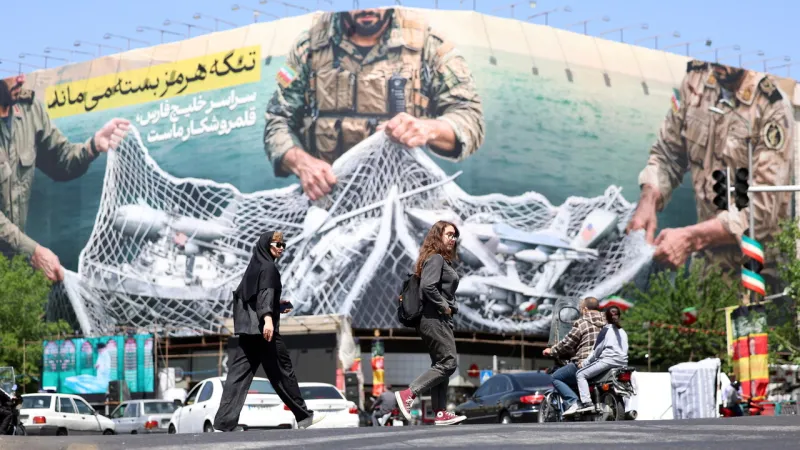
MUSCAT, Oman — A high-stakes diplomatic initiative involving senior US officials and Iranian representatives is reportedly underway in Oman, even as Mojtaba Khamenei, the influential son of Iran's Supreme Leader Ali Khamenei, issued a stark warning that "revenge for Ali Khamenei must be carried out." The dual developments signal a highly complex and potentially volatile period for US-Iran relations.
CBS News first reported the presence of a notable American delegation in the Sultanate of Oman. The delegation reportedly includes key figures such as Senator J.D. Vance, Senator Marco Rubio, real estate magnate Richard Witkoff, and former presidential advisor Jared Kushner. Their participation underscores the significance and presumed sensitivity of these discussions.
The involvement of individuals closely associated with President Donald Trump's administration, particularly Mr. Kushner, suggests that these are not merely routine diplomatic engagements but rather an extension of the administration's strategic foreign policy. Mr. Kushner, known for his deep ties to President Trump, played a pivotal role in previous Middle East peace efforts.
Details regarding the agenda of these clandestine talks remain sparse. However, observers suggest the discussions likely aim to address a range of pressing issues, from regional stability and nuclear proliferation concerns to economic sanctions and prisoner exchanges. Oman has historically served as a neutral conduit for sensitive diplomacy between Washington and Tehran.
Concurrently, the reported assertion from Mojtaba Khamenei injects a potent element of uncertainty and tension into the diplomatic landscape. The son of the octogenarian Supreme Leader is widely regarded as a significant power broker within the Iranian establishment, with considerable influence over the Revolutionary Guard Corps and various security apparatuses.
His declaration, "revenge for Ali Khamenei must be carried out," has sent ripples through international circles. While the precise context or trigger for this specific threat was not immediately clear from initial reports, any such statement concerning the health or security of the Supreme Leader carries immense weight and could signal an imminent retaliatory action.
The convergence of these two events—covert negotiations and a public threat of retribution—paints a paradoxical picture of current US-Iran interactions. It highlights Iran's multifaceted approach to foreign policy, often balancing hardline rhetoric with back-channel diplomacy, particularly when perceived national interests or honor are at stake.
Previous instances of strained relations between the United States and Iran under President Trump have often been marked by cycles of intense pressure followed by attempts at de-escalation, sometimes facilitated by third-party mediators. The current situation appears to follow a similar pattern, albeit with the added gravity of a direct threat from a senior figure.
This diplomatic tightrope walk occurs against a backdrop of enduring regional volatility. The Persian Gulf remains a strategic flashpoint, and any perceived escalation could have far-reaching implications for global energy markets and international security. The delicate balance maintained by host nation Oman is crucial in fostering an environment conducive to dialogue.
Analysts are closely watching for any official statements from either the White House or Tehran concerning the ongoing negotiations or the implications of Mojtaba Khamenei's pronouncement. The lack of transparency surrounding the talks makes accurate assessment challenging, yet underscores the delicate nature of the current diplomatic dance.
Adding to the complexities, Iran has previously expressed grievances concerning US actions, with reports surfacing last year that Iran Alleges US Treasury Violated Ceasefire Understanding. Such historical points of contention often form the bedrock of ongoing diplomatic efforts and disputes.
The outcome of the Oman negotiations, coupled with the potential impact of Mojtaba Khamenei's threat, will undoubtedly shape the trajectory of US-Iran relations in the coming months. The world watches keenly as Washington and Tehran navigate this perilous dual path of diplomacy and deterrence.