Gabriella
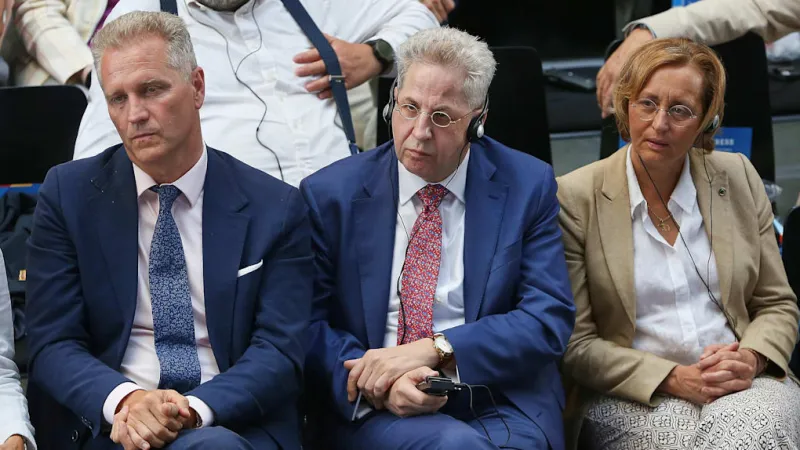
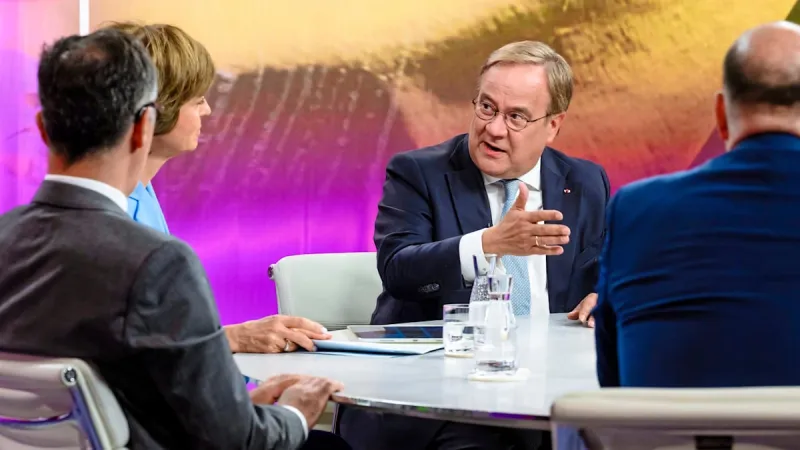
BERLIN – Hans-Georg Maaßen, the former head of Germany's domestic intelligence agency, Bundesamt für Verfassungsschutz (BfV), delivered a pointed, cynical greeting to his former colleagues during a recent Alternative for Germany (AfD) "Democracy Congress." Addressing the gathering, Maaßen provocatively welcomed "spies, sources, and agents" who might be observing the event, underscoring ongoing tensions between the populist party and state institutions.
The controversial event, billed as a "Democracy Congress," saw the far-right AfD convene to discuss pressing issues surrounding freedom of opinion and the role of media in Germany. Such gatherings frequently draw scrutiny from political opponents and security agencies alike, often fueling debates about the party's democratic credentials and its place within the political spectrum.
Maaßen's appearance at the AfD-hosted forum carries significant weight given his prominent past. He led the BfV from 2012 until his removal in 2018 amidst controversy over his handling of right-wing extremism and statements he made questioning the authenticity of widely reported anti-foreigner incidents. His public alignment with the AfD, a party increasingly monitored by the very agency he once commanded, marks a notable shift in his post-public service career.
During his remarks, Maaßen made a direct and thinly veiled reference to potential surveillance, stating, "I greet all spies, sources, and agents from the Bundesamt für Verfassungsschutz who are in the room today or listening in." This statement was widely interpreted as a sarcastic jab at the BfV, which has classified parts of the AfD as a suspected or proven right-wing extremist entity.
Observers suggest Maaßen's provocative words aim to both rally support among the AfD base, which often views state institutions with suspicion, and to openly challenge the authority and methodologies of German intelligence. His actions highlight a growing polarization within German society regarding the interpretation of democratic freedoms and the boundaries of political discourse.
The AfD itself has frequently leveled accusations of bias against mainstream media outlets and state institutions, arguing that its views are unfairly represented or suppressed. The "Democracy Congress" served as a platform for the party to amplify these grievances, advocating for what it terms genuine freedom of speech against perceived censorship and systemic pressure.
This incident occurs as the AfD continues to navigate calls for increased scrutiny and even potential bans by political adversaries. Efforts to assess the party's adherence to democratic principles remain a contentious topic across the German political landscape. For instance, journalist and author Henryk M. Broder has challenged attempts to ban the AfD, instead demanding similar scrutiny for the Left Party, a debate that underscores the complexity of regulating political expression in a democratic society. More on this can be found in a related article: Broder Challenges AfD Ban Efforts, Demands Left Party Scrutiny.
Maaßen's presence and his specific comments further intensify the already fraught relationship between the AfD and German security apparatus. The BfV, mandated to protect the constitutional order, closely monitors groups deemed hostile to democracy, and its focus on the AfD has been a recurring point of contention.
The event reflects a broader trend where former high-ranking officials increasingly engage in partisan politics, sometimes aligning with movements previously subject to their oversight. This crossover raises questions about impartiality and the perception of state institutions in an era of heightened political friction.
As Germany approaches crucial regional and federal elections, the themes of free speech, media integrity, and state surveillance, underscored by Maaßen's appearance, will undoubtedly continue to dominate public debate. The AfD's strategy of directly confronting institutional authority appears to be a calculated move to galvanize its supporters and challenge the political establishment.