 Dorry Archiles
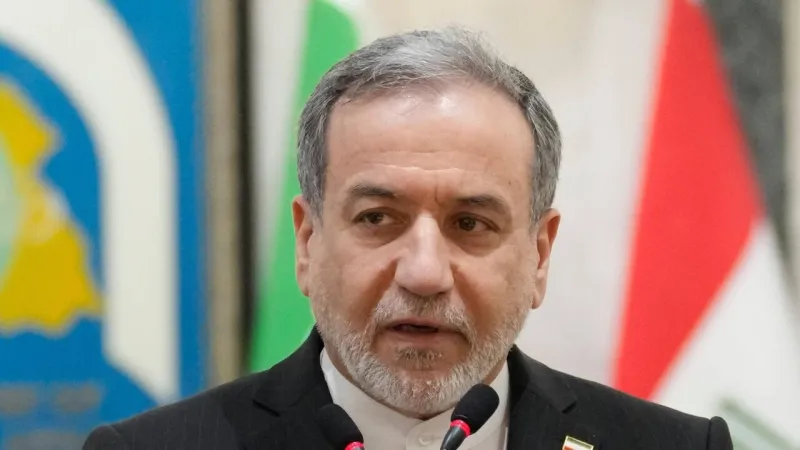
TEHRAN – A senior Iranian official, Araghchi, today accused the United States Treasury Secretary of violating a crucial understanding between Washington and Tehran, asserting that Iran has fully upheld its commitment to a ceasefire agreement. The provocative statement escalates tensions in the ongoing diplomatic standoff between the two global powers in 2026.
“It is the United States Treasury Secretary who is violating the understanding,” Araghchi declared, placing direct blame on the highest financial authority in President Donald Trump’s administration for undermining a delicate diplomatic equilibrium.
This accusation comes amid persistent international efforts to de-escalate tensions and foster stability in the Middle East. While details of the specific ceasefire agreement remain officially unconfirmed, the involvement of the Treasury Secretary strongly suggests the understanding pertains to economic sanctions, financial transactions, or other non-military aspects of bilateral relations.
Iran has consistently maintained that it abides by its commitments, often pointing to its past compliance with international agreements despite facing severe economic pressures from the United States. This latest claim represents a direct challenge to the US narrative regarding Iranian adherence to international norms.
The White House and the Treasury Department have yet to issue an official response to Araghchi’s pointed remarks. However, US officials typically maintain that Washington’s sanctions regime targets Iran’s destabilizing activities and nuclear program, asserting that any punitive measures are a direct response to Tehran’s actions.
Observers note that the concept of a “ceasefire” in this context extends beyond conventional military engagements. It likely encompasses a mutual agreement to refrain from certain provocative economic or political actions, or a reciprocal de-escalation measure designed to create space for dialogue.
Such an understanding, if officially recognized by both sides, would represent a significant, albeit fragile, step towards managing the deep-seated animosity characterizing US-Iran relations. Breaches of such an understanding could have far-reaching implications for regional security and global oil markets.
President Donald Trump’s administration has consistently pursued a policy of maximum pressure on Iran, frequently imposing new sanctions and reinforcing existing ones. Tehran views these actions as economic warfare and a violation of international law.
The accusation also rekindles debates about the effectiveness and fairness of international agreements, particularly when one party perceives the other as acting in bad faith. The international community often struggles to mediate these disputes, given the complex historical grievances and geopolitical interests at play.
Prior instances of heightened friction between the two nations include Iran Defies US Ultimatum on Strait of Hormuz Safe Passage, underscoring the delicate nature of their interactions and the constant potential for escalation.
Araghchi’s statement demands a clear response from Washington, as the credibility of any future diplomatic engagement hinges on both parties demonstrating adherence to agreed-upon terms, however informal those terms might be.
The broader implications of this alleged breach extend to multilateral efforts aimed at preventing nuclear proliferation and ensuring maritime security in vital shipping lanes. Should the accusations prove credible, they could erode trust further and complicate future negotiations.
This development serves as a stark reminder of the volatile nature of US-Iran relations, where every diplomatic move and public statement carries significant weight and potential for unintended consequences. The world watches keenly as both nations navigate this perilous diplomatic terrain.