 Stefani Rindus
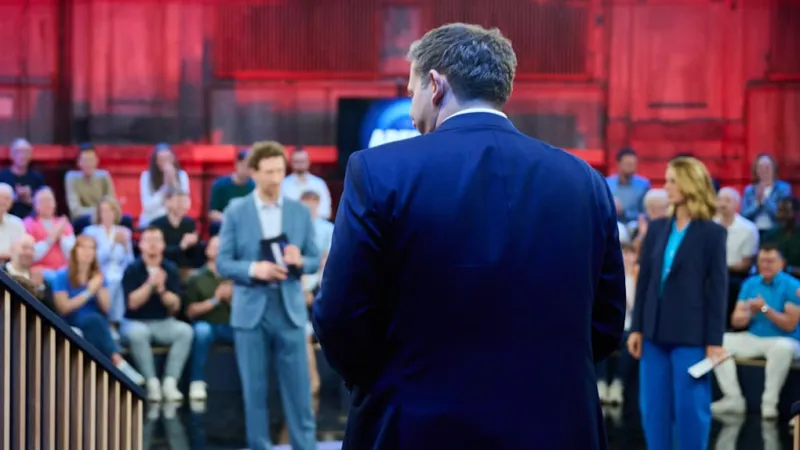
Berlin – Lars Klingbeil, Germany's Vice Chancellor, faced a barrage of critical questions from a live studio audience during a recent broadcast of the ARD-Arena, confronting challenging topics like ongoing conflicts, migration policy, and the controversial Bürgergeld social welfare program. His responses, delivered under intense public scrutiny, frequently failed to fully satisfy audience concerns, with some pronouncements proving particularly unpopular.
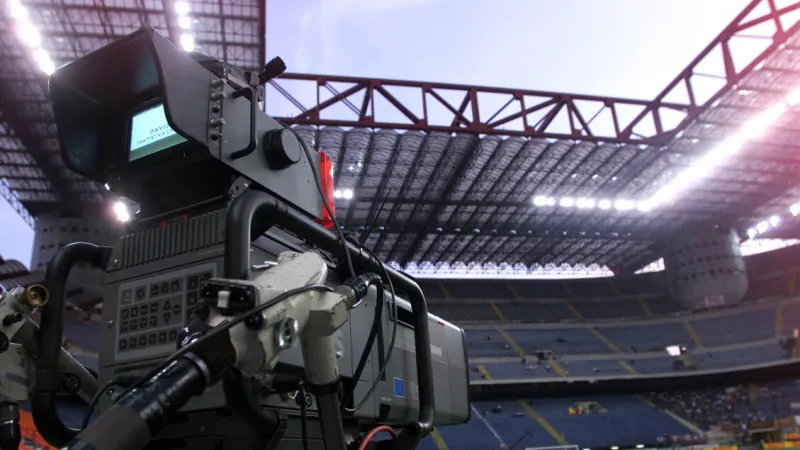
The live format of the ARD-Arena program is designed to bring political leaders directly before the public, fostering an environment where unvarnished opinions and direct challenges are common. This particular session underscored the deep divisions and anxieties prevalent within German society on several high-stakes issues.
The discussion commenced with inquiries surrounding the topic of war, likely referencing Germany's role in international conflicts and defense spending. Audience members pressed the Vice Chancellor on strategic alignments and the nation's commitment to supporting allies, probing the implications of current geopolitical tensions.
Klingbeil, a prominent figure in the Social Democratic Party (SPD), navigated questions that demanded clear stances on complex foreign policy matters. His attempts to articulate the government's position on military aid and international security were met with varying degrees of skepticism from the attendees.
Following the foreign policy segment, the dialogue shifted to migration, a persistently contentious issue across Germany. Audience members voiced concerns regarding integration efforts, the capacity of social services, and border management strategies.
The Vice Chancellor articulated the government's approach to refugee intake and the challenges of managing migration flows, emphasizing humanitarian responsibilities while also addressing security considerations. However, the depth of public apprehension on this subject became palpable, with certain answers eliciting audible dissatisfaction.
A significant portion of the program focused on the Bürgergeld, the country's main unemployment and social assistance benefit, which replaced Hartz IV. The program has been a cornerstone of the current government's social policy agenda, yet it remains a subject of intense debate regarding its cost, efficacy, and impact on the labor market.
Critics in the audience questioned the financial sustainability of Bürgergeld and its potential disincentives for seeking employment. Klingbeil vigorously defended the system, arguing for its necessity in providing a social safety net, but encountered strong pushback from those who believe it places undue strain on taxpayers.
One notable exchange saw Klingbeil assertively contradict an audience member, stating, "I have to strongly disagree," a moment that highlighted the tension between governmental policy and public sentiment. This direct confrontation underscored the difficulty in finding common ground on deeply divisive welfare reforms.
The Vice Chancellor's performance highlighted the delicate balancing act required of leaders to both uphold party lines and resonate with a diverse populace. The ARD-Arena serves as a crucial barometer of public mood, and this live session demonstrated the considerable hurdles facing the government in securing widespread public confidence on its core policies.
Observers noted that while Klingbeil maintained a composed demeanor, the intensity of the questioning and the public's often-unforgiving reaction visibly tested his resolve. The live format leaves no room for artifice, demanding authentic and direct engagement from politicians.
The public's perception of such televised debates can significantly influence political discourse and voter sentiment. Programs like the ARD-Arena provide an unfiltered view of how government policies are received at the grassroots level, offering insights into the political challenges ahead for the ruling coalition.
Indeed, the SPD, Klingbeil's party, has previously faced scrutiny over economic policies. For example, the SPD rejected fuel discount extension in 2026, citing concerns over unequal wealth benefits, demonstrating their consistent stance on social welfare issues. This context illuminates the broader ideological framework guiding the party's approach to Bürgergeld.
Furthermore, the broader German political landscape continues to evolve, with parties navigating complex coalition dynamics and the rise of populist movements. The need for leaders to effectively communicate and defend their policies to a skeptical public is paramount. This mirrors ongoing discussions about Germany's political firewall and challenges to traditional party structures.
In summary, Klingbeil's appearance offered a candid glimpse into the challenges of governance in a democratic society where consensus on critical issues remains elusive. The public forum amplified the voices of ordinary citizens grappling with the implications of national policy decisions.